


1

نسخة زيتية مرسومة يدوياً من $270 37 × 27 cm
بنفس حجم العمل الأصلي $579 124 × 93 cm اطلب بالحجم الأصلي →
اطلب هذه اللوحة
تفاصيل اللوحة

تحديث أكتوبر 2026 · مُرتبة حسب مؤشر شعبيتنا (عمليات البحث، والزيارات، والطلبات لكل عمل فني) · 25 أعمال لـ Frederick Walker في كتالوجنا
إجابة سريعة
أشهر لوحة للفنان Frederick Walker هي The Old Gate (1868)؛ والنسخة الأصلية موجودة في Birmingham Museum and Art Gallery، برمنغهام. The Gondola (1868) و Mother with a baby and a nursemaid (1866) هما الرقمان اثنان وثلاثة. من بين 25 من أعمال Frederick Walker في كتالوجنا، هذه هي الأعمال الـ 25 الأكثر شهرة، مرتبة مع ذكر سنة إنتاجها والمتحف الذي تنتمي إليه، لتتمكن من اختيار اللوحة التي تود طلبها.


Frederick Walker’s depiction, "The Old Farm Garden," invites us into a scene steeped in the quiet poetry of everyday life. It is more than just a garden; it is a carefully curated moment where human activity intersects with natural beauty. The composition centers around an elegant woman, whose gentle focus—perhaps on her knitting or simply observing the bloom before her—creates an immediate sense of peaceful contemplation for the viewer. Walker…
المواضيع الأربعة الأكثر تكراراً في هذا التصنيف، مع اللوحة الأبرز لكل منها.
المتاحف الـ 5 التي تضم أكبر عدد من اللوحات الموجودة في هذه الصفحة.
| المتحف | المدينة | أعمال Frederick Walker | لوحات من هذه القائمة |
|---|---|---|---|
 Birmingham Museum and Art Gallery |
برمنغهام | 2 | The Old Gate, The Gondola |
 Fitzwilliam Museum |
1 | Mother with a baby and a nursemaid | |
 تيت بريطانيا |
لندن | 1 | The Vagrants |
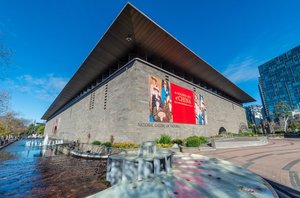 National Gallery of Victoria |
ملبورن | 1 | The right of way |
 Courtauld Gallery |
لندن | 1 | The Old Farm Garden |
تتراوح لوحات Frederick Walker المؤرخة هنا ضمن نطاق 10 عاماً، من 1866 إلى 1875. تصفحها عاماً بعد عام لتختار ما يناسبك.
اختر سنة لعرض لوحاتها.
Frederick Walker’s depiction, "The Old Farm Garden," invites us into a scene steeped in the quiet poetry of everyday life. It is more than just a garden; it is a carefully curated moment where human activity intersects with natural beauty. The composition centers around an elegant woman, whose gentle focus—perhaps on her knitting or simply observing the bloom before her—creates an immediate sense of peaceful contemplation for the viewer. Walker…
The Old Gate (1868)، في Birmingham Museum and Art Gallery, برمنغهام، تحتل المرتبة الأولى، تليها The Gondola (1868) ثم Mother with a baby and a nursemaid (1866).
كان عمر Frederick Walker 28 عاماً: يعود تاريخ The Old Gate إلى 1868، وقد وُلد Frederick Walker في 1840.
The Old Gate, The Gondola, Mother with a baby and a nursemaid, The Old Gate, The Vagrants, The Harbour of Refuge, The right of way, Spring, Autumn و The Old Farm Garden. تتوفر سنة الإنتاج والمتحف لكل منها في التصنيف أعلاه.
يوجد في كتالوجنا 25 من أعمال Frederick Walker، وتتراوح تواريخها من 1866 إلى 1875.
بشكل أساسي في Birmingham Museum and Art Gallery (برمنغهام), Fitzwilliam Museum و تيت بريطانيا (لندن). راجع جدول المتاحف أعلاه للاطلاع على القائمة الكاملة.
في 1868: 3 من أصل 25 لوحة مصنفة هنا تعود إلى تلك الفترة، بما في ذلك The Old Gate.
الأقدم في هذه الصفحة: Mother with a baby and a nursemaid (1866). الأحدث: The right of way (1875).
من بين 25 لوحة مصنفة هنا: Victorian era (3), Autumn (2) و Harbour (2).
Realism، بناءً على اللوحات المصنفة في هذه الصفحة.
تضم Birmingham Museum and Art Gallery, برمنغهام عدد 2 من اللوحات المدرجة هنا، بما في ذلك The Old Gate و The Gondola.
نعم. يمكن طلب كل لوحة في هذه الصفحة كنسخة زيتية مرسومة يدوياً أو كمطبوعة. افتح اللوحة، اختر المقاس، ثم أتمم طلبك.
In the vibrant, often turbulent landscape of mid-Victorian England, few artists captured the quiet dignity and poignant struggles of the common person as masterfully as Frederick Walker. A central figure in the social realist movement, Walker possessed a rare ability to transform the mundane details of everyday life into profound narratives of human emotion. Born in London in 1840, the son of a jeweler, Walker’s journey was one of self-driven passion and disciplined craftsmanship. His early years were marked by a precocious talent for mimicry, as he taught himself the intricacies of pen and ink by copying prints, often finding solace and inspiration within the halls of the British Museum. This foundational period of intense observation would later become the hallmark of his mature style, allowing him to render the textures of rural life and urban hardship with an almost tactile intimacy.
Walker’s professional ascent was characterized by a seamless blend of fine art and commercial illustration, a duality that defined much of the nineteenth-century British art scene. After brief forays into architecture and formal training at the Royal Academy and James Mathews Leigh's art school, he entered an apprenticeship as a wood engraver under Josiah Wood Whymper. It was within this rigorous environment of printmaking that Walker forged lasting bonds with contemporaries like George Pinwell and J.W. North, creating a creative circle that would influence the direction of British genre painting. His rise to prominence was accelerated by his prolific work for popular periodicals such as Cornhill Magazine and Once a Week. Through these much-read journals, Walker’s illustrations reached a vast audience, earning him the admiration of literary giants like William Thackeray, for whom he provided evocative drawings that breathed life into serialized fiction.
The brilliance of Walker’s work lies in his ability to weave complex emotional layers into seemingly simple scenes. Whether working in the delicate medium of watercolor or the robust depth of oils, his technique was always at the service of the story. He moved beyond mere illustration, elevating the status of "genre painting"—the depiction of everyday life—to a level of high art. His compositions often utilized a soft, atmospheric light that lent a sense of nostalgia and tenderness to his subjects, even when depicting scenes of poverty or loss. This mastery earned him the profound respect of his peers; indeed, Sir John Everett Millais famously described him as "the greatest artist of the century."
His thematic repertoire was vast, ranging from:
Though his life was tragically short, ending in 1875 at the age of only thirty-five, Frederick Walker left an indelible mark on the trajectory of British art. He bridged the gap between the meticulous detail of the Pre-Raphaelites and a more modern, emotive realism that focused on the social fabric of the era. His influence can be seen in the way subsequent generations of artists approached the dignity of the subject matter, moving away from idealized romanticism toward a more honest engagement with the human condition.
Today, Walker is remembered not merely as an illustrator for popular magazines, but as a profound chronicler of his age. His ability to find beauty in the humble and tragedy in the ordinary ensures that his work remains deeply resonant. To view a Walker painting is to step into a world where every shadow holds a secret and every face tells a story of endurance, making him a true master of the Victorian soul.


