ضمان استرداد الأموال خلال ١٠٠ يوم شحن مجاني حول العالم
612262الأعمال الفنية 52888الفنانون 5406المتاحف 32اللغات
بورتريه لـ Otto Scholderer

أشهر 17 لوحات لـ Otto Scholderer لتختار من بينها

تحديث نوفمبر 2026 · مُرتبة حسب مؤشر شعبيتنا (عمليات البحث، والزيارات، والطلبات لكل عمل فني) · 18 أعمال لـ Otto Scholderer في كتالوجنا

إجابة سريعة

تُعد لوحة Boy with dish with vegetables and dead game (1888) هي اللوحة الأولى من بين أعمال Otto Scholderer، وتوجد النسخة الأصلية منها في مجموعات بافاريا الحكومية للرسم، ميونخ. في المركزين الثاني والثالث: The Violinist at the Window (1861) و Peaches in a Silver Basket (1869). يضم كتالوجنا 18 من أعمال Otto Scholderer. وتُعد الـ 17 المذكورة هنا هي الأكثر شهرة، مرتبة حسب الأهمية، مع ذكر سنة وتواجد كل لوحة أصلية في المتاحف.

1834 – 1902, Frankfurt أكبر مجموعة أعمال: Staatliche Kunsthalle Karlsruhe

أشهر 10 لوحات لـ Otto Scholderer

1
Boy with dish with vegetables and dead game (1888) للفنان Otto Scholderer

Boy with dish with vegetables and dead game

We are looking at Boy with dish with vegetables and dead game, a work by the German painter Otto Scholderer. This particular piece dates to about 1888, a period when the artist was refining his command over the interplay of light and shadow. It is a quiet, substantial composition that reflects the artist's deep engagement with the realities of the natural world.

نسخة زيتية مرسومة يدوياً من $170 36 × 28 cm بنفس حجم العمل الأصلي $328 89 × 71 cm اطلب بالحجم الأصلي →
اختر المقاس عرض التفاصيل
2
The Violinist at the Window (1861) للفنان Otto Scholderer

The Violinist at the Window

1861 · Oil · Städel Museum, فرانكفورت

The afternoon sun filters through a windowpane, casting a warm, golden glow across a quiet room. A man sits in a simple chair, his body poised in a moment of deep concentration. His fingers dance across the strings of a violin, creating a melody that seems to hang in the still air. His gaze drifts toward the world outside the glass, yet his spirit remains anchored to the music. A…

نسخة زيتية مرسومة يدوياً من $170 26 × 38 cm بنفس حجم العمل الأصلي $593 103 × 150 cm اطلب بالحجم الأصلي →
اختر المقاس عرض التفاصيل

من 11 إلى 17: المزيد من لوحات Otto Scholderer

لوحات Otto Scholderer حسب الموضوع

المواضيع الأربعة الأكثر تكراراً في هذا التصنيف، مع اللوحة الأبرز لكل منها.

المتاحف التي تضم الأعمال الأصلية لـ Otto Scholderer

المتاحف الـ 6 التي تضم أكبر عدد من اللوحات الموجودة في هذه الصفحة.

المتحف المدينة أعمال Otto Scholderer لوحات من هذه القائمة
Staatliche Kunsthalle Karlsruhe, كارلسروهStaatliche Kunsthalle Karlsruhe كارلسروه 3 Peaches in a Silver Basket, Still Life with Snipe and a Hare, Schwarzwaldmühle in Kirnbach bei Schiltach
مجموعات بافاريا الحكومية للرسم, ميونخمجموعات بافاريا الحكومية للرسم ميونخ 2 Boy with dish with vegetables and dead game, Peonies
Städel Museum, فرانكفورتStädel Museum فرانكفورت 2 The Violinist at the Window, Still Life with Blue Vase and Mushrooms
المعرض الوطني, لندنالمعرض الوطني لندن 2 Lilac, Portrait of the Artist's Wife
Sheffield City Art Galleries, شيفيلدSheffield City Art Galleries شيفيلد 1 Man and Hares
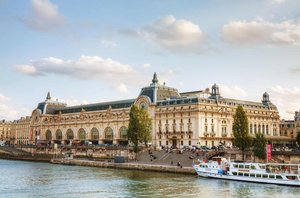
متحف أورسيه, باريسمتحف أورسيه باريس 1 Marine

أبرز لوحة لـ Otto Scholderer في كل عقد

الأعمال حسب العقد

اختر عقداً لعرض أشهر لوحاته.

لوحات Otto Scholderer: الأسئلة الشائعة

ما هو العمل الأكثر شهرة لـ Otto Scholderer؟أظهر الإجابة

Boy with dish with vegetables and dead game (1888)، في مجموعات بافاريا الحكومية للرسم, ميونخ، تحتل المرتبة الأولى، تليها The Violinist at the Window (1861) ثم Peaches in a Silver Basket (1869).

في أي عمر رسم Otto Scholderer لوحة Boy with dish with vegetables and dead game؟أظهر الإجابة

كان عمر Otto Scholderer 54 عاماً: يعود تاريخ Boy with dish with vegetables and dead game إلى 1888، وقد وُلد Otto Scholderer في 1834.

ما هي أشهر عشر لوحات لـ Otto Scholderer؟أظهر الإجابة

Boy with dish with vegetables and dead game, The Violinist at the Window, Peaches in a Silver Basket, Still Life with Snipe and a Hare, Schwarzwaldmühle in Kirnbach bei Schiltach, Seestück bei St. Ives, Man and Hares, Still Life with Blue Vase and Mushrooms, Still Life with Peaches and Fig و Oysters. تتوفر سنة الإنتاج والمتحف لكل منها في التصنيف أعلاه.

كم عدد اللوحات المدرجة لـ Otto Scholderer؟أظهر الإجابة

يوجد في كتالوجنا 18 من أعمال Otto Scholderer، وتتراوح تواريخها من 1861 إلى 1902.

ما هي المتاحف التي تضم أشهر الأعمال الأصلية لـ Otto Scholderer؟أظهر الإجابة

بشكل أساسي في Staatliche Kunsthalle Karlsruhe (كارلسروه), مجموعات بافاريا الحكومية للرسم (ميونخ) و Städel Museum (فرانكفورت). راجع جدول المتاحف أعلاه للاطلاع على القائمة الكاملة.

متى رُسمت أفضل لوحات Otto Scholderer؟أظهر الإجابة

في 1860s: 4 من أصل 17 لوحة مصنفة هنا تعود إلى تلك الفترة، بما في ذلك The Violinist at the Window.

ما هي أقدم وأحدث اللوحات الشهيرة لـ Otto Scholderer؟أظهر الإجابة

الأقدم في هذه الصفحة: The Violinist at the Window (1861). الأحدث: Lilac (1902).

ما هي لوحات Otto Scholderer الشهيرة التي يمتلكها Staatliche Kunsthalle Karlsruhe؟أظهر الإجابة

تضم Staatliche Kunsthalle Karlsruhe, كارلسروه عدد 3 من اللوحات المدرجة هنا، بما في ذلك Peaches in a Silver Basket, Still Life with Snipe and a Hare و Schwarzwaldmühle in Kirnbach bei Schiltach.

هل يمكنني شراء لوحة لـ Otto Scholderer كنسخة مطبوعة؟أظهر الإجابة

نعم. يمكن طلب كل لوحة في هذه الصفحة كنسخة زيتية مرسومة يدوياً أو كمطبوعة. افتح اللوحة، اختر المقاس، ثم أتمم طلبك.

Otto Scholderer: الفنان المبدع وراء هذه اللوحات

The Painter of Light and Shadow: The Life of Otto Scholderer

In the heart of nineteenth-century Germany, a period defined by the shifting tides between Romanticism and the dawn of Impressionism, Otto Franz Scholderer emerged as a master of visual storytelling. Born in Frankfurt am Main on January 25, 1834, Scholderer’s artistic journey was one of profound evolution, marked by a relentless pursuit of capturing the true essence of his subjects. His early years were steeped in the rigorous academic traditions of the Städel Academy of Arts, where he studied under the watchful eyes of art historian Johann David Passavant and the painter Jakob Becker. This foundational training provided him with more than just technical proficiency; it instilled a deep respect for classical composition and a meticulous eye for detail that would remain a hallmark of his work throughout his long and distinguished career.

As Scholderer matured, his artistic horizons expanded far beyond the borders of Germany. His travels to Paris between 1857 and 1858 proved to be a transformative period, exposing him to the radical currents of European art. It was here that he encountered the raw, unvarnished power of Gustave Courbet’s Realism, a movement that encouraged artists to look at the world without the veil of idealized sentimentality. This encounter fundamentally altered his approach to landscape and portraiture, steering him toward a more honest rendering of light, texture, and atmosphere. During this same era, he forged lasting connections with luminaries such as Henri Fantin-Latour and Édouard Manet, whose subtle explorations of light and fleeting moments would leave an indelible imprint on his later, more Impressionistic tendencies.

A Legacy of Intimacy and Observation

Scholderer’s body of work is a testament to his ability to find the extraordinary within the ordinary. Whether he was painting a serene pastoral vista or an intimate domestic scene, there was always a sense of quiet contemplation and profound presence. His connection to the Kronberg painter colony, fostered through his friendship and eventual familial bond with Victor Müller, allowed him to exist within a vibrant community of artists dedicated to capturing the beauty of the Taunus region. This environment nurtured his ability to blend the precise rendering of the Düsseldorf tradition with the atmospheric sensitivity of the burgeoning Impressionist movement.

His repertoire was remarkably diverse, showcasing a mastery over various genres:

  • Portraiture: Scholderer possessed a rare gift for capturing the psychological depth of his sitters, imbuing them with a sense of living breath and character.
  • Still Life: In works such as "The Flower Arrangement" and "Lilac," he demonstrated an exquisite command over color and texture, turning simple botanical subjects into meditations on beauty and decay.
  • Landscape: His landscapes often eschewed the dramatic for the subtle, focusing instead on the interplay of light across a field or the soft glow of an afternoon sun through a window.
  • Genre Painting: Pieces like "The Violinist at the Window" exemplify his ability to weave narratives of solitude and creativity, inviting the viewer into a private, melodic sanctuary.

By the time of his passing in 1902, Otto Scholderer had established himself as a cornerstone of German painting. His significance lies not only in his technical brilliance but in his role as a bridge between eras. He carried the weight of classical tradition into the modern age, proving that even as styles shifted from the structured to the ephemeral, the fundamental human desire to capture truth through light and shadow remained eternal. Today, his works continue to resonate, offering a window into a vanished world of grace, precision, and quiet emotion.