


 معاينة الحجم الحقيقي
 مشاركة
 مشاركة
 التفاصيل

 تحميل الملف
 قطع مشابهة
 الأشعة السينية
 عرض شرائح
إحضار العروس إلى الفراش
 أكريليك على كانفاس
- لوحات جدارية
- Rococo Classical
 1767
1767 36.0 x 31.0 cm
 المعرض الوطني الكندي
 عرض المزيد
نسخة زيتية مصنوعة يدوياً
لوحة زيتية مرسومة يدوياً على الكانفاس بالمقاس والإطار الذي تفضله، تُنفذ حسب الطلب على أيدي فنانينا. ( التحويل للنسخة المطبوعة التبديل إلى الصورة)




P118B $10

P118H $10

P118W $10

P438Z $10

P508JH $12

P508YH $12

P805H $10

P805Z $10

P919BZ $10

P919G $10

P919XJ $10

P959ZH $10

P968JZ $12

W106C $8

W218G $10

W218JH $8

W218Y $10

W307PJ $10

W316G $10

W316PJ $8

W316Y $10

W398PJ $8

W4111J $10

W500HY $15

W500JH $15

W692G $12

W849H $8

W940BG $15

W953PJ $8




اختر من بين أحجامنا المُعدّة مسبقًا والتي تتطابق مع النسب الأصلية للعمل الفني.

يمكنك إدخال أبعادك الخاصة لتناسب إطارًا معينًا أو مساحة محددة. وإذا لم يتطابق الحجم الذي اخترته مع نسب الصورة الأصلية، فسنقوم إما بقص العمل الفني أو توسيع اللوحة بإضافة عناصر مرسومة يدويًا. سيتم إرسال نموذج رقمي إليك للموافقة عليه قبل بدء الإنتاج.
يرجى ملاحظة أن المعاينة على الشاشة لا تعكس عملية القص أو التوسيع الفعلية؛ حيث إن النموذج الرقمي وحده هو الذي سيوضح التكوين النهائي بدقة.
وعلى الرغم من توفر أحجام مخصصة، إلا أننا نوصي باختيار أبعاد من القائمة المحددة مسبقًا للحفاظ على النسب الأصلية للعمل الفني.
بعد إتمام الطلب، سيرسل فريق AllPaintingsStore.com بريداً إلكترونياً للعميل لطلب التعليمات وتزويده بمعاينة تجريبية (mockup).
توصيل عالمي إلى خلال 3 إلى 4 أسابيع بدلاً من المدة المعتادة البالغة 5 أسابيع. (7 أغسطس). جودة لا تهاون فيها.

شحن سريع ومجاني لجميع أنحاء العالم

قماش كتان عالي الجودة

تأمين شحن شامل

ضمان استرداد الرسوم الجمركية

ضمان مطابقة الألوان الحقيقية

سياسة الإرجاع خلال 60 يومًا (في حالات العيوب فقط)

ضمان استرداد نقدي بنسبة 100%

خصم عند طلب عدة قطع
 خيار الزجاج متاح فقط للمقاسات التي تقل عن 110 سم

إحضار العروس إلى الفراش
خامة إعادة الإنتاج
مقاس النسخة المطبوعة
-


السعر الإجمالي النهائي
$ 258
وصف العمل الفني
Bringing the Bride to Bed: A Rococo Intimacy Captured by Baudouin
Pierre-Antoine Baudouin’s “Bringing the Bride to Bed,” painted in 1767, is more than just a depiction of domestic life; it's a masterful distillation of Rococo aesthetics and psychological nuance. Executed with gouache over red chalk and subtle graphite traces on laid paper, this artwork transports viewers into a private moment brimming with anticipation and tenderness—a scene meticulously observed and rendered by one of the era’s foremost artists. The painting centers around a woman lying serenely in bed, surrounded by her female companions – a tableau typical of Rococo interiors where idealized beauty and sensual pleasure were paramount concerns. Baudouin skillfully employs chiaroscuro lighting to sculpt the figures, emphasizing the contours of their bodies and creating an atmosphere of warmth and intimacy. The careful positioning of chairs and couches reinforces this sense of comfort and communal support, reflecting the social conventions of the time when women’s friendships held considerable importance. Beyond its visual splendor, “Bringing the Bride to Bed” speaks volumes about the cultural anxieties surrounding pregnancy and marriage during the Enlightenment. Baudouin's meticulous attention to detail—the delicate folds of fabric, the subtle expressions on the faces of the figures—suggests a preoccupation with capturing not merely appearances but also inner emotions. The artist’s use of red chalk lends a tonal richness that enhances the painting’s luminosity and contributes to its overall sense of serenity. The artwork's stylistic influences are clearly discernible in the broader context of Gavin Hamilton’s artistic endeavors, who championed classical ideals while simultaneously exploring the burgeoning fascination with Roman antiquities. Baudouin’s work embodies this duality—a celebration of beauty rooted in observation and informed by scholarly understanding. It exemplifies the Rococo movement's commitment to portraying idealized scenes of human relationships within opulent domestic settings.- Artist: Pierre-Antoine Baudouin (1723–1769)
- Date: 1767
- Medium: Gouache over Red Chalk and Graphite on Laid Paper
- Style: Rococo
- Location: National Gallery of Canada
Technique and Detail: Baudouin's Mastery of Light and Texture
Baudouin’s technique demonstrates a profound understanding of tonal gradation and sculptural modeling. The artist skillfully utilizes red chalk to establish the foundational contours of the figures, followed by delicate graphite shading to create subtle variations in tone—a hallmark of Rococo painting. Gouache, applied over the chalk drawing, lends vibrancy and luminosity to the scene, capturing the soft glow of candlelight and enhancing the overall impression of warmth. The artist’s meticulous attention to surface texture contributes significantly to the artwork's visual impact, conveying a sense of realism that belies its idealized subject matter.Symbolism and Context: Reflections of Enlightenment Ideals
“Bringing the Bride to Bed” operates within the intellectual currents of the Enlightenment, reflecting anxieties surrounding marriage, fertility, and social status. The depiction of women supporting each other underscores the importance of female companionship during this period—a theme frequently explored in Rococo art. Baudouin’s portrayal aligns with Hamilton's broader fascination with classical antiquity, mirroring the movement’s desire to recapture idealized notions of beauty and harmony derived from Greco-Roman culture.Emotional Impact: A Moment of Quiet Intimacy
Ultimately, Baudouin succeeds in conveying a palpable sense of serenity and tenderness—a testament to his artistic skill and psychological insight. The painting captures the essence of a private moment imbued with anticipation and affection, inviting viewers to contemplate themes of friendship, femininity, and domestic tranquility. It remains a captivating example of Rococo art’s ability to evoke emotion through meticulous observation and masterful execution.أعمال فنية ذات صلة


السيرة الذاتية للفنان
Gavin Hamilton: The Antiquarian Painter of Rome
Gavin Hamilton (1723, Lanarkshire – 4 January 1798, Rome) stands as a singular figure in the history of art, a man whose legacy is inextricably linked to both the burgeoning neoclassical movement and his passionate, sometimes controversial, pursuit of ancient Roman antiquities. More than simply a painter, Hamilton was an arbiter of taste, a scholar, and ultimately, a key player in shaping how Europe understood and engaged with its classical past. His life unfolded across two continents – initially within the vibrant intellectual landscape of Scotland, then culminating in a decades-long sojourn in Rome, where he dedicated himself to collecting and interpreting the remnants of antiquity. This unique combination of artistic skill and scholarly obsession cemented his place as one of the most influential painters of the late 18th century. Hamilton’s early life was steeped in the Scottish Enlightenment. Born in Lanarkshire, Scotland, in 1723, he displayed an exceptional aptitude for learning from a young age, matriculating at the University of Glasgow at just fifteen years old. His family background—his father was a headmaster and fellow of Balliol College, Oxford—provided him with a privileged education, fostering a deep appreciation for classical literature and philosophy. This intellectual foundation would prove crucial to his later artistic endeavors. He spent several formative years in Italy, studying under Agostino Masucci in Rome, absorbing the principles of neoclassical art and developing a keen eye for detail and composition. Crucially, it was during this period that he became deeply immersed in the world of Roman antiquities, embarking on a lifelong quest to unearth and understand these remnants of a lost civilization. This pursuit would define much of his career and ultimately lead him to become a leading authority on classical art and taste. Hamilton’s artistic style evolved significantly throughout his career. Initially influenced by the grand manner championed by Sir Joshua Reynolds – particularly in his emphasis on idealized beauty and dramatic narrative – he gradually developed a more restrained, almost austere aesthetic. His later works, especially those depicting scenes from Homer's *Iliad*, are characterized by their monumental scale, meticulous detail, and a deliberate avoidance of overt emotionalism. These paintings weren’t merely decorative; they were carefully constructed allegories designed to convey moral lessons and celebrate the virtues of Roman civilization. The cycle of six paintings based on the *Iliad*, commissioned for the Earl of Moira, became his most celebrated achievement, establishing him as a leading figure in the neoclassical movement. These works, engraved and widely disseminated across Europe, profoundly influenced subsequent generations of artists and shaped public perceptions of classical antiquity. His *Death of Lucretia* (1760s), depicting the legendary Roman heroine’s sacrifice, further solidified his reputation for dramatic storytelling and masterful composition. However, Hamilton's career was not without its complexities. His relentless pursuit of antiquities often led him into ethically questionable territory. He engaged in a controversial practice known as “antiquarianism,” which involved acquiring ancient sculptures and artifacts through dubious means – sometimes by removing them from their original contexts or even outright theft. This behavior, coupled with his outspoken opinions on classical art and taste, earned him considerable criticism during his lifetime. Despite these controversies, Hamilton’s influence remained undeniable. He was a respected scholar and a highly sought-after consultant to wealthy patrons and collectors across Europe. His expertise shaped the understanding of classical art for an entire generation, and his paintings continue to be studied and admired today. Hamilton's final years were spent in Rome, where he continued his scholarly pursuits and amassed a vast collection of Roman antiquities. He died in 1798, leaving behind a legacy as both a brilliant artist and a controversial figure—a man who blurred the lines between art, scholarship, and the sometimes-questionable ethics of collecting ancient treasures. His work remains a testament to the enduring fascination with classical antiquity and the profound impact that one individual can have on shaping our understanding of the past.
pierre-antoine baudouin
1723 - 1769 , France
حقائق سريعة
- Artistic Movement Or Style: Neoclassical history painter
- Artists Or Movements Influenced By This Artist:
- Jacques-Louis David
- Thomas Blackwell
- Artists Who Influenced This Artist:
- Agostino Masucci
- Sir Joshua Reynolds
- Date Of Birth: 1723
- Date Of Death: 1798
- Full Name: Gavin Hamilton
- Nationality: Scottish
- Notable Artworks:
- Death of Lucretia
- Homer's Iliad cycle
- Place Of Birth: Lanarkshire, Scotland
مقالات ذات صلة
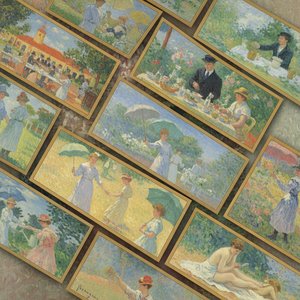
أروع 25 لوحة لرينوار: رحلة في عالم الضوء والجمال | AllPaintingsStore
اكتشف روعة أعمال رينوار! استكشف 25 لوحة انطباعية خالدة، ورحلة الفنان في عالم الضوء والجمال. طباعة فنية عالية الجودة لديكور منزلي فاخر على AllPaintingsStore.com.

أعمال جورج سورا الخالدة: 25 تحفة فنية تزين منزلك بلمسة فنية راقية
اكتشف 25 تحفة فنية آسرة لجورج سورا، رائد النقطية والانطباعية الجديدة. استكشف قصص لوحاته الخالدة وألوانها المذهلة. احصل على إعادة إنتاج عالية الجودة لديكور منزلي فاخر على AllPaintingsStore.com
أروع 25 تحفة فنية في معرض ناسيونال غاليري بواشنطن | لوحات شهيرة وديكور فاخر
اكتشف أروع 25 لوحة فنية في معرض ناسيونال غاليري بواشنطن! رحلة عبر روائع سيزان، ماتيس، وبيكاسو. قصص ملهمة وتقنيات فنية فريدة. احصل على نسخ عالية الجودة لديكور منزلك الفاخر على AllPaintingsStore.com
أروع 25 تحفة فنية في متحف المتروبوليتان: رحلة عبر العصور والجمال الخالد
اكتشف أروع 25 تحفة فنية في متحف المتروبوليتان، نيويورك! قصص ليوناردو دا فينشي وفان جوخ وبيكاسو وأكثر. لوحات كلاسيكية ومعاصرة لإلهام ديكور منزلك. تسوق إعادة إنتاج اللوحات عالية الجودة على AllPaintingsStore.com.
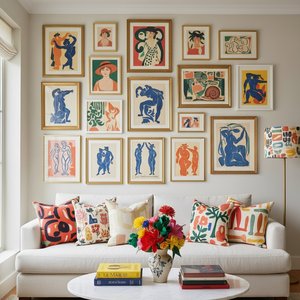
أعمال هنري ماتيس الرائعة: 25 تحفة فنية تزين منزلك بجمال الألوان والابتكار
اكتشف 25 تحفة فنية لهنري ماتيس، رائد التعبيرية وFauvism. استكشف قصص لوحاته المذهلة وألوانه الجريئة. احصل على مطبوعات عالية الجودة لديكور منزلي فاخر. اكتشف جميع الروائع على AllPaintingsStore.com




