


 معاينة الحجم الحقيقي
 مشاركة
 مشاركة
 التفاصيل
 الدليل

 تحميل الملف
 قطع مشابهة
 الأشعة السينية
 عرض شرائح
 الإحصائيات
مشهد من قبر الأندرو الكبير
 أكريليك على كانفاس
- لوحات جدارية
- Baroque Drama
 1707
1707 100.0 x 139.0 cm
 متحف اللوفر
 عرض المزيد
نسخة زيتية مصنوعة يدوياً
لوحة زيتية مرسومة يدوياً على الكانفاس بالمقاس والإطار الذي تفضله، تُنفذ حسب الطلب على أيدي فنانينا. ( التحويل إلى المطبوعات الانتقال إلى الصورة الرقمية)




P118B $10

P118H $10

P118W $10

P438Z $10

P508JH $12

P508YH $12

P805H $10

P805Z $10

P919BZ $10

P919G $10

P919XJ $10

P959ZH $10

P968JZ $12

W106C $8

W218G $10

W218JH $8

W218Y $10

W307PJ $10

W316G $10

W316PJ $8

W316Y $10

W398PJ $8

W4111J $10

W500HY $15

W500JH $15

W692G $12

W849H $8

W940BG $15

W953PJ $8




اختر من بين أحجامنا المُعدّة مسبقًا والتي تتطابق مع النسب الأصلية للعمل الفني.

يمكنك إدخال أبعادك الخاصة لتناسب إطارًا معينًا أو مساحة محددة. وإذا لم يتطابق الحجم الذي اخترته مع نسب الصورة الأصلية، فسنقوم إما بقص العمل الفني أو توسيع اللوحة بإضافة عناصر مرسومة يدويًا. سيتم إرسال نموذج رقمي إليك للموافقة عليه قبل بدء الإنتاج.
يرجى ملاحظة أن المعاينة على الشاشة لا تعكس عملية القص أو التوسيع الفعلية؛ حيث إن النموذج الرقمي وحده هو الذي سيوضح التكوين النهائي بدقة.
وعلى الرغم من توفر أحجام مخصصة، إلا أننا نوصي باختيار أبعاد من القائمة المحددة مسبقًا للحفاظ على النسب الأصلية للعمل الفني.
بعد إتمام الطلب، سيرسل فريق AllPaintingsStore.com بريداً إلكترونياً للعميل لطلب التعليمات وتزويده بمعاينة تجريبية (mockup).
توصيل عالمي إلى خلال 3 إلى 4 أسابيع بدلاً من المدة المعتادة البالغة 5 أسابيع. (25 سبتمبر). جودة لا تهاون فيها.

شحن سريع ومجاني لجميع أنحاء العالم

قماش كتان عالي الجودة

تأمين شحن شامل

ضمان استرداد الرسوم الجمركية

ضمان مطابقة الألوان الحقيقية

سياسة الإرجاع خلال 100 يوم (في حالات العيوب فقط)

ضمان استرداد نقدي بنسبة 100%

خصم عند طلب عدة قطع
 خيار الزجاج متاح فقط للمقاسات التي تقل عن 110 سم

مشهد من قبر الأندرو الكبير
خامة إعادة الإنتاج
مقاس النسخة المطبوعة
-


السعر الإجمالي النهائي
$ 258
مشهد من قبر الأندرو الكبير: لمحات من الباروك الفرنسي وتأثير واطو
Claude Gillot، اسمٌ يتردد في أروقة الفن البارودي اللاحق لفرنسا، ويُعرف بقوة تأثيره على فنانين مثل واطو ولانكرت، اللذين شكلا بشكل عميق الأذواق الجمالية لعصرهم. ولد غيلوت عام ١٦٧٣ في مدينة لانغرس بمدينة بورجندي، وعاش حياتًا حافلة بالتجارب الفنية المتنوعة، حيث مارس الرسم والطباعة والتصميم المسرحي والحدادة، مما جعله من الفنانين النادرين في عصره الذين يمتلكون هذه المرونة الفائقة. بدأ مسيرته الفنية كطالب لدى جان واطو حوالي عام ١٧٠٣، مُستلهمًا إرث واطو الرقيق والمشاهد الباروكية الراقية التي استوحى منها أسلوب "فِتْة شَامِبِرْتْر"، أو المشهد البارودي الريفي، الذي أصبح مرادفًا لأسلوب فني فريد يركز على الجمال الطبيعي والبيئة الهادئة. كان التطور الفني لغيلوت مرتبطًا بشكل وثيق بالعالم المسرحي في باريس، حيث تعاون بشكل مكثف مع كتاب وموسيقيين، وتصميم مسارح وأزياء مُذهِبة لمسرحيات الأوبرا والكوميديا دي تل إيه، مُضخّمًا الإثارة الدرامية والتعبيرية في الأعمال الفنية التي يقدمها. وقد استطاع غيلوت أن يلتقط جوهر هذه الفترة الزمانية ويُجسده ببراعة في لوحاتٍ تعكس التناغم بين الجمال والدراما، مما جعل منه صوتًا مميزًا في الفنون البارودية لعهد واطو ولانكرت.- الأسلوب الفني: يمثل غيلوت نقطة تحول بين أسلوبي واطو ولانكرت، حيث استطاع أن يحافظ على الأناقة الرقيقة والهدوء البارودي الذي يميز أعمال واطو مع إضافة لمسة من الدراما والتعبيرية التي كانت سمة مميزة لأعمال لانكرت. كان هذا التوازن بين الجمال الطبيعي والدراما هو ما جعل لوحات غيلوت تثير اهتمامًا واسعًا وتُعتبر من أهم الأعمال الفنية في الباروك الفرنسي.
- التقنية المستخدمة: اعتمد غيلوت تقنية الرسم بالطباشير الأحمر، بالإضافة إلى الألوان المائية والقلم والخط على ورق مُرَقَّق، مع إجراء تعديلات دقيقة بالأبيض الجواخي لإضفاء تأثيرات إضاءة خاصة وإبراز التفاصيل الدقيقة في اللوحة. هذه التقنية كانت تتطلب مهارة عالية ودقة فائقة، وتُظهر وعيًا عميقًا بأحدث التطورات الفنية التي كانت سائدة في ذلك العصر.
- السياق التاريخي: يعكس المشهد الذي رسمه غيلوت الأجواء السائدة في فرنسا في بداية القرن الثامن عشر، حيث كان المجتمع مهتمًا بالترف والجمال والتعبير عن المشاعر القوية، وتُعتبر لوحات غيلوت من أهم الأعمال الفنية التي تعبّر عن هذه الفترة الزمانية وتُجسد قيمًا إنسانية عريقة.
أعمال فنية ذات صلة


السيرة الذاتية للفنان
The Architect of Baroque Splendor
Claude Gillot (1673–1722) remains a luminous figure in the tapestry of late Baroque France, an artist whose versatile hand touched nearly every facet of the visual culture of his era. Born in the historic town of Langres, north of Dijon, Gillot’s early creative impulses were nurtured by his father before he ventured to Paris to refine his craft. His artistic journey was far from linear; he was a true polymath of the arts, moving with ease between the delicate precision of printmaking, the structural demands of metalworking, and the grand-scale imagination required for theatrical design. This multidisciplinary foundation allowed him to approach the canvas not merely as a surface for pigment, and but as a stage where light, movement, and drama could converge.
The trajectory of Gillot’s career was profoundly shaped by his apprenticeship under the legendary Jean Watteau around 1703. From Watteau, he absorbed the ethereal qualities of the emerging fête champêtre style—a genre characterized by pastoral elegance and aristocratic leisure. Yet, while he inherited this delicate sensibility, Gillot infused it with a unique vigor derived from his work in the Parisian theater. His extensive collaborations with playwrights and composers to design elaborate sets and costumes for operas and comedies instilled in him a mastery of visual storytelling. He understood how to direct the viewer's eye through composition, using the theatricality of costume and scenery to breathe life into mythological and contemporary narratives alike.
A Mastery of Myth and Motion
Gillot’s ascent within the prestigious Académie Royale de peinture et de sculpture in 1715 marked a definitive moment in his professional life, signaling his recognition as a master of monumental composition. His breakthrough was anchored by works that celebrated the grandeur of classical antiquity through a contemporary lens. In masterpieces such as “Feast of Pan” and “Feast of Bacchus,” Gillot demonstrated an extraordinary ability to blend the divine with the terrestrial. These canvases were not merely depictions of myth; they were sensory experiences, where the lushness of the landscape met the exuberant energy of mythological revelry.
His technique was characterized by a sophisticated use of color and form that could shift from the soft, dreamlike textures reminiscent of his mentor to a more robust, dramatic Baroque intensity. This versatility allowed him to capture the very essence of the commedia dell’arte, bringing the wit and character of masked performers to life with a sense of spontaneous motion. Through his engravings and paintings, he documented the social graces and theatrical whimsies of the French court, creating a visual record that was as much about the spirit of the age as it was about the subjects themselves.
Legacy of the Rococo Prelude
As the art world began to transition from the heavy grandeur of the Baroque toward the lighter, more intimate aesthetics of the Rococo, Gillot’s influence remained foundational. He served as a vital bridge between generations, influencing later masters such as Lancret by refining the vocabulary of pastoral scenes and theatrical character studies. His ability to marry the structural discipline of classical painting with the whimsical charm of the stage helped define the aesthetic sensibilities of the early 18th century.
Today, the significance of Claude Gillot lies in his role as a creator of atmosphere. Whether through the intricate lines of a print or the sweeping vistas of a mythological feast, his work continues to evoke the vibrant, theatrical pulse of pre-revolutionary France. He remains an artist whose legacy is found not just in individual masterpieces, but in the very way we perceive the intersection of art, theater, and the beautiful artifice of life.

Claude Gillot
1673 - 1722 , France
حقائق سريعة
- Artistic Movement Or Style: Baroque
- Artists Who Influenced This Artist:
- Jean Watteau
- Nicolas Lancret
- Date Of Birth: 1673
- Date Of Death: 1722
- Full Name: Claude Gillot
- Nationality: French
- Notable Artworks:
- The Two Coaches
- Garment time of night
- Italian Comedians
- Place Of Birth: Langres, France
مقالات ذات صلة

Simon Vouet: A Baroque Master's Journey from Italian Influence to French Classicism
Explore the life & art of Simon Vouet, a pivotal French Baroque painter who introduced Italian styles to France. Discover his masterpieces and lasting influence on 17th-century art.

دراما الباروك: إحياء الفخامة والعاطفة في الدواخل المعاصرة
اكتشف سحر الباروك! دليل شامل حول الحركة الفنية، عناصرها الجمالية، وكيفية دمج فخامتها وعاطفتها في الدواخل المعاصرة. نصائح من خبراء AllPaintingsStore لإضفاء لمسة باروكية على منزلك.
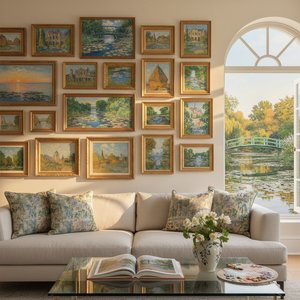
أعمال كلود مونيه الخالدة: 25 تحفة فنية تزين منزلك بجمال الانطباعية
اكتشف 25 تحفة فنية لكلود مونيه، رائد الانطباعية. استكشف قصص لوحاته الخالدة وتقنياته الفريدة وألوانه الساحرة. احصل على نسخ عالية الجودة لديكور منزلك الفاخر على AllPaintingsStore.com

Charles Le Brun: Master of French Baroque Classicism & His Enduring Legacy
Explore the life & art of Charles Le Brun, master of French Baroque Classicism. Discover his royal commissions, influence on Versailles, and enduring legacy through detailed analysis & stunning artworks.

Charles-André van Loo: A Study in Rococo Portraiture & the French Court's Artistic Dynamics
Explore the elegant world of Charles-André van Loo, a master of Rococo portraiture at the French court. Discover his life, techniques, and enduring influence on 18th-century art. Hand-painted reproductions available.


