


 معاينة الحجم الحقيقي
 مشاركة
 مشاركة
 التفاصيل

 تحميل الملف
 قطع مشابهة
 الأشعة السينية
 عرض شرائح
فينيسة جالسة على الكوكب وعلى الأسد


 عرض المزيد
نسخة زيتية مصنوعة يدوياً
لوحة زيتية مرسومة يدوياً على الكانفاس بالمقاس والإطار الذي تفضله، تُنفذ حسب الطلب على أيدي فنانينا. ( التحويل للنسخة المطبوعة التبديل إلى الصورة)




P118B $10

P118H $10

P118W $10

P438Z $10

P508JH $12

P508YH $12

P805H $10

P805Z $10

P919BZ $10

P919G $10

P919XJ $10

P959ZH $10

P968JZ $12

W106C $8

W218G $10

W218JH $8

W218Y $10

W307PJ $10

W316G $10

W316PJ $8

W316Y $10

W398PJ $8

W4111J $10

W500HY $15

W500JH $15

W692G $12

W849H $8

W940BG $15

W953PJ $8




اختر من بين أحجامنا المُعدّة مسبقًا والتي تتطابق مع النسب الأصلية للعمل الفني.

يمكنك إدخال أبعادك الخاصة لتناسب إطارًا معينًا أو مساحة محددة. وإذا لم يتطابق الحجم الذي اخترته مع نسب الصورة الأصلية، فسنقوم إما بقص العمل الفني أو توسيع اللوحة بإضافة عناصر مرسومة يدويًا. سيتم إرسال نموذج رقمي إليك للموافقة عليه قبل بدء الإنتاج.
يرجى ملاحظة أن المعاينة على الشاشة لا تعكس عملية القص أو التوسيع الفعلية؛ حيث إن النموذج الرقمي وحده هو الذي سيوضح التكوين النهائي بدقة.
وعلى الرغم من توفر أحجام مخصصة، إلا أننا نوصي باختيار أبعاد من القائمة المحددة مسبقًا للحفاظ على النسب الأصلية للعمل الفني.
بعد إتمام الطلب، سيرسل فريق AllPaintingsStore.com بريداً إلكترونياً للعميل لطلب التعليمات وتزويده بمعاينة تجريبية (mockup).
توصيل عالمي إلى خلال 3 إلى 4 أسابيع بدلاً من المدة المعتادة البالغة 5 أسابيع. (10 أغسطس). جودة لا تهاون فيها.

شحن سريع ومجاني لجميع أنحاء العالم

قماش كتان عالي الجودة

تأمين شحن شامل

ضمان استرداد الرسوم الجمركية

ضمان مطابقة الألوان الحقيقية

سياسة الإرجاع خلال 60 يومًا (في حالات العيوب فقط)

ضمان استرداد نقدي بنسبة 100%

خصم عند طلب عدة قطع
 خيار الزجاج متاح فقط للمقاسات التي تقل عن 110 سم

فينيسة جالسة على الكوكب وعلى الأسد
خامة إعادة الإنتاج
مقاس النسخة المطبوعة
-


السعر الإجمالي النهائي
$ 258
وصف العمل الفني
فينيسة العرش والأسد لجيوفاني باتيستا زيلوتي: لمحات من التراث الفني الباروك
تعتبر لوحة جيوفاني باتيستا زيلوتي، التي تحمل عنوان «فينيسة العرش والأسد»، تحفة فنية فريدة تجسّد روح عصر النهضة الإيطالية وتحديدًا التقاليد الفنية في مدينة فيرونا، حيث ولد الفنان عام 1526 وتوفي عام 1578. تُعد هذه اللوحة من أبرز الأعمال التي قام بها زيلوتي، والتي تعكس تأثير المدارس الفنية الرائدة في ذلك العصر، مثل تيتيان وبالو فاريني، وتُعتبر إضافة قيمة إلى مجموعة الفنون الباروكية التي تميزت بالجماليات الدرامية والتشكيلية الغنية.
- الموضوع والتاريخ: اللوحة تصور مدينة فينيسيا وهي تجلس على عرش كبير وتستند على أسد، وتُعتبر إشارة إلى القوة والسلطة الروحية والدنيوية التي كانت تتمتع بها المدينة في تلك الفترة، والتي استلهمها زيلوتي من الأساطير الإغريقية والرومانية الكلاسيكية. تم رسم اللوحة عام 1553، وتُعد واحدة من أهم الأعمال الفنية التي تعكس التراث الثقافي والفني لمدينة فيرونا وعصر النهضة الإيطالية بشكل عام.
- الأسلوب والتقنية: يتميز الأسلوب الفني للوحة بصفات الباروك، حيث يركز على استخدام الإضاءة الدرامية والتكوين الديناميكي والتفاصيل الزخرفية الغنية، مما يخلق تأثيرًا بصريًا قويًا ومؤثرًا لدى المشاهد. استخدم زيلوتي تقنية الرسم الزيتي المتقنة، والتي تضمنت طبقات متعددة من الألوان لتشكيل القوام والعمق في اللوحة، مع الاهتمام الكبير بتحديد تفاصيل الإضاءة والظل لتحقيق تأثير بصري واقعي ومثير للإعجاب.
- العناصر البصرية والتكوين: يتكون التكوين الفني للوحة من عناصر بصرية متوازنة ودقيقة، حيث يتميز الجدار الخلفي باللون الأزرق الداكن الذي يمثل السماء وتُستخدم الإضاءة القوية من الأعلى واليسار لإبراز شكل العرش والأسد، بالإضافة إلى التفاصيل الزخرفية التي تضفي على اللوحة طابعًا ملكيًا وأنيقًا. ويتميز التصوير بتعزيز التوازن البصري والتأثير الدرامي، مما يجعله عملًا فنيًا يستحق التأمل والإعجاب.
- الرمزية والمعنى: تحمل اللوحة رمزية عميقة تتجاوز المظهر الجمالي الخارجي، حيث ترمز إلى القوة والسلطة الروحانية والدنيوية التي كانت تتمتع بها فينيسيا في ذلك العصر، وتُعتبر إشارة إلى مكانة المدينة كمركز للثقافة والفنون والسياسة في أوروبا الكبرى. كما أن استخدام الألوان الزاهية والتكوين الديناميكي يعكس القيم الإنسانية والأخلاقية التي كان يسعى الفنان إلى التعبير عنها في اللوحة، ويجعلها عملًا فنيًا يحمل رسالة إيجابية ومؤثرة لدى المشاهدين.
- التأثير الفني والإلهام: استلهم زيلوتي أسلوبه الفني من رواد الباروك الكبار، مثل تيتيان وبالو فاريني، وتحديدًا من استخدام الإضاءة الدرامية والتكوين الديناميكي والتشكيل الزخرفي الغني الذي يميز أعمال هؤلاء الفنانين، مما يعكس تأثير المدارس الفنية الرائدة في ذلك العصر على الفنان وعمله الفني. وقد أثرت اللوحة بشكل كبير على الفنانين اللاحقين، الذين استلهموا منها أساليب جديدة وتكوينات بصرية مبتكرة، لتشكيل التراث الفني لمدينة فيرونا وعصر النهضة الإيطالية بشكل عام.
إن لوحة «فينيسة العرش والأسد» ليست مجرد عمل فني جميل، بل هي تعبير عن رؤية الفنان للعالم وتجسيد لقيم ومبادئ المجتمع الذي عاش فيه، وتُعتبر إضافة قيمة إلى تاريخ الفن الإيطالي وتراث مدينة فيرونا وعصر النهضة الإيطالية بشكل عام.
أعمال فنية ذات صلة


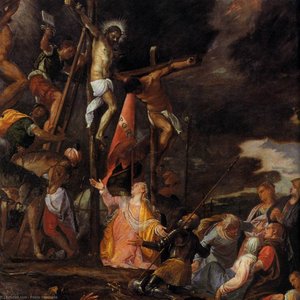


السيرة الذاتية للفنان
The Veronese Echo: The Life and Legacy of Giovanni Battista Zelotti
In the vibrant tapestry of the Venetian Renaissance, few threads are as intricately woven into the architectural grandeur of Italy as those spun by Giovanni Battista Zelotti. Born in Verona in 1526, a city then flourishing under the dominion of Venice, Zelotti emerged not merely as a painter, but as a master of atmosphere and narrative scale. His early years were shaped by the rigorous traditions of masters such as Antonio Badile and Domenico Riccio, and his artistic lineage suggests a profound connection to the legendary Titian. This formative period instilled in him a command over color and light that would later allow him to transform static walls into breathing, mythological landscapes.
Zelotti’s journey through the artistic hubs of Padua and Venice allowed him to absorb the evolving stylistic cues of his era. While often viewed as a contemporary and collaborator of Paolo Veronese, Zelotti possessed a unique ability to blend the classical ideals of the High Renaissance with an emerging sense of drama. His work became a bridge between the balanced compositions of the past and the more opulent, emotive qualities that would eventually characterize the Baroque period. This evolution is most evident in his mastery of fresco, a medium that required both immense physical stamina and a sophisticated understanding of how light interacts with plaster and pigment.
Architectural Symbiosis and the Palladian Connection
One of the most enduring aspects of Zelotti’s career was his profound synergy with architecture, most notably through his collaborations with the visionary Andrea Palladio. The relationship between painter and architect reached its zenith in the decoration of magnificent villas, such as Villa Emo and Villa Foscari. In these spaces, Zelotti did not merely decorate; he expanded the architectural boundaries. Alongside fellow artists like Bernardino India and Battista Franco, he injected a sense of movement and mythological depth into Palladio’s structured, classical designs.
His frescoes served to animate the stone and marble, bringing the heavens and ancient legends down to the earthly realm of the Venetian nobility. This ability to harmonize with monumental structures ensured that his work became an inseparable part of the Italian landscape. Whether decorating a private villa or a public monument, Zelotti’s hand was always present to provide the narrative soul to Palladio's structural bones.
A Monumental Presence in Venice and Beyond
The true scale of Zelotti’s ambition is perhaps best witnessed in his contributions to the most prestigious institutions of the Venetian Republic. The Doge’s Palace, a symbol of Venetian power and splendor, holds within its ceilings the masterful work of Zelotti, specifically his depiction of “Santi Giovanni e Paolo.” Here, his use of intricate detail and masterful perspective creates an illusion of infinite height, a testament to his skill in managing large-scale compositions. His work in the Biblioteca Marciana further solidified his reputation as a scholar-painter, as he utilized classical mythology to celebrate the humanist ideals that defined the age.
Beyond the borders of Venice, Zelotti’s influence traveled to Mantua, where he engaged with the prestigious Palazzo Gonzaga, continuing the rich Veronese tradition in new territories. His stylistic hallmarks—characterized by:
- Dramatic Lighting: A precursor to the Baroque, using shadow to create depth and emotion.
- Opulent Ornamentation: A lushness of detail that reflected the wealth and prestige of his patrons.
- Mythological Narrative: The seamless integration of Greco-Roman legends into contemporary settings.
Though history sometimes shadows him in the wake of Veronese, Giovanni Battista Zelotti remains an indispensable figure. He was a painter who understood that art is not merely something to be viewed, but something to be inhabited, turning the very walls of Italy's greatest palaces into windows onto the divine and the ancient.

Giovanni Battista Zelotti
1526 - 1578 , Italy
حقائق سريعة
- Artistic Movement Or Style: Late Renaissance
- Artists Or Movements Influenced By This Artist: ['Andrea Palladio']
- Artists Who Influenced This Artist:
- Antonio Badile
- Domenico Riccio
- Titian
- Date Of Birth: 1526 Verona Italy
- Date Of Death: 1578 Mantova Italy
- Full Name: Giovanni Battista Zelotti
- Nationality: Italian
- Notable Artworks:
- View of the Room of Sofonisba
- Venice Seated upon the Globe and upon a Lion
- Place Of Birth: Verona Italy
مقالات ذات صلة

دراما الباروك: إحياء الفخامة والعاطفة في الدواخل المعاصرة
اكتشف سحر الباروك! دليل شامل حول الحركة الفنية، عناصرها الجمالية، وكيفية دمج فخامتها وعاطفتها في الدواخل المعاصرة. نصائح من خبراء AllPaintingsStore لإضفاء لمسة باروكية على منزلك.

The Enduring Power of Painting: A Historical & Contemporary Exploration of Form and Emotion
Explore the rich history & enduring techniques of oil painting with AllPaintingsStore. Discover masterpieces, learn about art collecting, and find authentic handmade reproductions crafted by skilled artists.

The Dramatic Flourish: Exploring the Baroque Movement's Enduring Legacy in Art History
Explore the dramatic world of Baroque art! Discover iconic artists like Caravaggio & Rubens, defining techniques, and its lasting impact on art history. Expert insights for collectors & enthusiasts at AllPaintingsStore.

The Enduring Legacy of Oil on Canvas: Technique, History & Aesthetic Impact
Explore the rich history & techniques of oil painting – from Renaissance masters to Impressionism. Discover pigments, layering methods, and why this timeless medium endures. Expert insights for artists & art enthusiasts.

Golden Light & Rich Color: The Timeless Magic of Venetian Renaissance Art
Explore the luminous beauty of Venetian Renaissance art. Discover how masters like Titian used colorito and golden light to redefine painting through texture, emotion, and atmospheric brilliance in a masterclass of historical artistry.




