


 معاينة الحجم الحقيقي
 مشاركة
 مشاركة
 التفاصيل
 الدليل

 تحميل الملف
 قطع مشابهة
 الأشعة السينية
 عرض شرائح
 الإحصائيات
نانت هينا، نِيع كُولا


 عرض المزيد
نسخة زيتية مصنوعة يدوياً
لوحة زيتية مرسومة يدوياً على الكانفاس بالمقاس والإطار الذي تفضله، تُنفذ حسب الطلب على أيدي فنانينا. ( التحويل إلى المطبوعات الانتقال إلى الصورة الرقمية)




P118B $10

P118H $10

P118W $10

P438Z $10

P508JH $12

P508YH $12

P805H $10

P805Z $10

P919BZ $10

P919G $10

P919XJ $10

P959ZH $10

P968JZ $12

W106C $8

W218G $10

W218JH $8

W218Y $10

W307PJ $10

W316G $10

W316PJ $8

W316Y $10

W398PJ $8

W4111J $10

W500HY $15

W500JH $15

W692G $12

W849H $8

W940BG $15

W953PJ $8




اختر من بين أحجامنا المُعدّة مسبقًا والتي تتطابق مع النسب الأصلية للعمل الفني.

يمكنك إدخال أبعادك الخاصة لتناسب إطارًا معينًا أو مساحة محددة. وإذا لم يتطابق الحجم الذي اخترته مع نسب الصورة الأصلية، فسنقوم إما بقص العمل الفني أو توسيع اللوحة بإضافة عناصر مرسومة يدويًا. سيتم إرسال نموذج رقمي إليك للموافقة عليه قبل بدء الإنتاج.
يرجى ملاحظة أن المعاينة على الشاشة لا تعكس عملية القص أو التوسيع الفعلية؛ حيث إن النموذج الرقمي وحده هو الذي سيوضح التكوين النهائي بدقة.
وعلى الرغم من توفر أحجام مخصصة، إلا أننا نوصي باختيار أبعاد من القائمة المحددة مسبقًا للحفاظ على النسب الأصلية للعمل الفني.
بعد إتمام الطلب، سيرسل فريق AllPaintingsStore.com بريداً إلكترونياً للعميل لطلب التعليمات وتزويده بمعاينة تجريبية (mockup).
توصيل عالمي إلى خلال 3 إلى 4 أسابيع بدلاً من المدة المعتادة البالغة 5 أسابيع. (23 سبتمبر). جودة لا تهاون فيها.

شحن سريع ومجاني لجميع أنحاء العالم

قماش كتان عالي الجودة

تأمين شحن شامل

ضمان استرداد الرسوم الجمركية

ضمان مطابقة الألوان الحقيقية

سياسة الإرجاع خلال 100 يوم (في حالات العيوب فقط)

ضمان استرداد نقدي بنسبة 100%

خصم عند طلب عدة قطع
 خيار الزجاج متاح فقط للمقاسات التي تقل عن 110 سم

نانت هينا، نِيع كُولا
خامة إعادة الإنتاج
مقاس النسخة المطبوعة
-


السعر الإجمالي النهائي
$ 258
نانتيه هيينه، نِيع كَؤُلَا: تحفةٌ نَاصِرَةٌ لِلرِّسَامِ الكَارِلُ يَوْسِفُ ستييلَر
تَعْرِيفٌ بِالْقِسْمَةِ وَالْوَجْهَةِ الْإِضْطِرَارِيَّةِ لِلْأَرْ تَ فِي العَصْرِ الـ 19 عَمَلٌ فَنِّيٌ يَعْبُرُ حَدَّ التَّعْبِيرِ الزِّخْرَافِيِّ وَيَتَقَدَّمُ بِإِحْسَاسٍ مُتَعَمَّدٍ لِلْقُرَّاءِ وَالْمُحَلِّينَ وَمُهِمِّي الدِّيكُو ر، يَعْبُر عَن ذَاتِهِ بِلَا تَقْلِيدٍ وَيَتَحَدَّى التَّوَقُّعَاتِ بِإِضْطِرَارٍ لِلْإِثْرَةِ الْبَيْنِيَّةِ وَالْإِحْسَاسِ بِالتَّرَفِّعِ عَنِ الزَّمَانِ، هِيَ قِسْمَةُ الْفَنِّ الـ نَاصِرَةُ لِلْقُرُّاءِ وَالْمُحَلِّينَ وَمُهِمِّي الدِّيكُو ر، يَعْبُر عَن ذَاتِهِ بِلَا تَقْلِيدٍ وَيَتَحَدَّى التَّوَقُّعَاتِ بِإِضْطِرَارٍ لِلْإِثْرَةِ الْبَيْنِيَّةِ وَالْإِحْسَاسِ بِالتَّرَفِّعِ عَنِ الزَّمَانِ، هِيَ قِسْمَةُ الْفَنِّ الـ نَاصِرَةُ لِلْقُرُّاءِ وَالْمُحَلِّينَ وَمُهِمِّي الدِّيكُو ر، يَعْبُر عَن ذَاتِهِ بِلَا تَقْلِيدٍ وَيَتَحَدَّى التَّوَقُّعَاتِ بِإِضْطِرَارٍ لِلْإِثْرَةِ الْبَيْنِيَّةِ وَالْإِحْسَاسِ بِالتَّرَفِّفِ عَنِ الزَّمَانِ، هِيَ قِسْمَةُ الْفَنِّ الـ نَاصِرَةُ لِلْقُرُّاءِ وَالْمُحَلِّينَ وَمُهِمِّي الدِّيكُو ر، يَعْبُر عَن ذَاتِهِ بِلَا تَقْلِيدٍ وَيَتَحَدَّى التَّوَقُّعَاتِ بِإِضْطِرَارٍ لِلْإِثْرَةِ الْبَيْنِيَّةِ وَالْإِحْسَاسِ بِالتَّرَفِّفِ عَنِ الزَّمَانِ، هِيَ قِسْمَةُ الْفَنِّ الـ نَاصِرَةُ لِلْقُرُّاءِ وَالْمُحَلِّينَ وَمُهِمِّي الدِّيكُو ر، يَعْبُر عَن ذَاتِهِ بِلَا تَقْلِيدٍ وَيَتَحَدَّى التَّوَقُّعَاتِ بِإِضْطِرَارٍ لِلْإِثْرَةِ الْبَيْنِيَّةِ وَالْإِحْسَاسِ بِالتَّرَفِّفِ عَنِ الزَّمَانِ، هِيَ قِسْمَةُ الْفَنِّ الـ نَاصِرَةُ لِلْقُرُّاءِ وَالْمُحَلِّينَ وَمُهِمِّي الدِّيكُو ر، يَعْبُر عَن ذَاتِهِ بِلَا تَقْلِيدٍ وَيَتَحَدَّى التَّوَقُّعَاتِ بِإِضْطِرَارٍ لِلْإِثْرَةِ الْبَيْنِيَّةِ وَالْإِحْسَاسِ بِالتَّرَفِّفِ عَنِ الزَّمَانِ، هِيَ قِسْمَةُ الْفَنِّ الـ نَاصِرَةُ لِلْقُرُّاءِ وَالْمُحَلِّينَ وَمُهِمِّي الدِّيكُو ر، يَعْبُر عَن ذَاتِهِ بِلَا تَقْلِيدٍ وَيَتَحَدَّى التَّوَقُّعَاتِ بِإِضْطِرَارٍ لِلْإِثْرَةِ الْبَيْنِيَّةِ وَالْإِحْسَاسِ بِالتَّرَفِّفِ عَنِ الزَّمَانِ، هِيَ قِسْمَةُ الْفَنِّ الـ نَاصِرَةُ لِلْقُرُّاءِ وَالْمُحَلِّينَ وَمُهِمِّي الدِّيكُو ر، يَعْبُر عَن ذَاتِهِ بِلَا تَقْلِيدٍ وَيَتَحَدَّى التَّوَقُّعَاتِ بِإِضْطِرَارٍ لِلْإِثْرَةِ الْبَيْنِيَّةِ وَالْإِحْسَاسِ بِالتَّرَفِّفِ عَنِ الزَّمَانِ، هِيَ قِسْمَةُ الْفَنِّ الـ نَاصِرَةُ لِلْقُرُّاءِ وَالْمُحَلِّينَ وَمُهِمِّي الدِّيكُو ر، يَعْبُر عَن ذَاتِهِ بِلَا تَقْلِيدٍ وَيَتَحَدَّى التَّوَقُّعَاتِ بِإِضْطِرَارٍ لِلْإِثْرَةِ الْبَيْنِيَّةِ وَالْإِحْسَاسِ بِالتَّرَفِّفِ عَنِ الزَّمَانِ، هِيَ قِسْمَةُ الْفَنِّ الـ نَاصِرَةُ لِلْقُرُّاءِ وَالْمُحَلِّينَ وَمُهِمِّي الدِّيكُو ر، يَعْبُر عَن ذَاتِهِ بِلَا تَقْلِيدٍ وَيَتَحَدَّى التَّوَقُّعَاتِ بِإِضْطِرَارٍ لِلْإِثْرَةِ الْبَيْنِيَّةِ وَالْإِحْسَاسِ بِالتَّرَفِّفِ عَنِ الزَّمَانِ، هِيَ قِسْمَةُ الْفَنِّ الـ نَاصِرَةُ لِلْقُرُّاءِ وَالْمُحَلِّينَ وَمُهِمِّي الدِّيكُو ر، يَعْبُر عَن ذَاتِهِ بِلَا تَقْلِيدٍ وَيَتَحَدَّى التَّوَقُّعَاتِ بِإِضْطِرَارٍ لِلْإِثْرَةِ الْبَيْنِيَّةِ وَالْإِحْسَاسِ بِالتَّرَفِّفِ عَنِ الزَّمَانِ، هِيَ قِسْمَةُ الْفَنِّ الـ نَاصِرَةُ لِلْقُرُّاءِ وَالْمُحَلِّينَ وَمُهِمِّي الدِّيكُو ر، يَعْبُر عَن ذَاتِهِ بِلَا تَقْلِيدٍ وَيَتَحَدَّى التَّوَقُّعَاتِ بِإِضْطِرَارٍ لِلْإِثْرَةِ الْبَيْنِيَّةِ وَالْإِحْسَاسِ بِالتَّرَفِّفِ عَنِ الزَّمَانِ، هِيَ قِسْمَةُ الْفَنِّ الـ نَاصِرَةُ لِلْقُرُّاءِ وَالْمُحَلِّينَ وَمُهِمِّي الدِّيكُو ر، يَعْبُر عَن ذَاتِهِ بِلَا تَقْلِيدٍ وَيَتَحَدَّى التَّوَقُّعَاتِ بِإِضْطِرَارٍ لِلْإِثْرَةِ الْبَيْنِيَّةِ وَالْإِحْسَاسِ بِالتَّرَفِّفِ عَنِ الزَّمَانِ، هِيَ قِسْمَةُ الْفَنِّ الـ نَاصِرَةُ لِلْقُرُّاءِ وَالْمُحَلِّينَ وَم
أعمال فنية ذات صلة


السيرة الذاتية للفنان
The Master of Bavarian Elegance
Joseph Karl Stieler stands as a pivotal figure in the grand tapestry of nineteenth-century German art, a painter whose brush captured the very essence of Neoclassical refinement. Born in 1781 in the historic city of Mainz, Stieler was destined for a life steeped in the meticulous traditions of craftsmanship. He was born into a family deeply rooted in the precision of engraving and printmaking; his father, August Friedrich Stieler, was a respected engraver and punchcutter. This early exposure to the delicate art of fine lines and intricate detail provided the young artist with an foundational education in precision, instilling a stylistic sensibility that would later become the hallmark of his monumental portraiture.
The trajectory of Stieler’s life was irrevocably altered by the political tremors of the era. Following the French revolutionary upheaval of 1792, which saw Mainz fall under French control, Stieler relocated to Aschaffenburg. It was here that he encountered Archbishop Karl Theodor Anton Maria von Dalberg, a figure who would become his most influential patron. Under Dalberg’s benevolent support, Stieler’s artistic ambitions were fueled, allowing him to pursue formal training at the Academy of Fine Arts in Vienna under the tutelage of Heinrich Füger. In the halls of the Viennese Academy, he absorbed the stylistic precepts of Neoclassicism, a movement that emphasized clarity, order, and an idealized grace.
A Journey Through the Heart of Europe
Stieler’s artistic evolution was not confined to the classroom; it was forged through extensive travel and the pursuit of masters across the continent. In 1808, after establishing a studio in Frankfurt, he embarked on a profound pilgrimage to Italy, an experience that breathed new life into his vision. His travels further led him to encounter the grandeur of Parisian art, where he honed his technique under François Gérard, a student of the legendary Jacques-Louis David. This connection to the French Neoclassical tradition infused Stieler’s work with a certain dynamism and monumental scale, blending German precision with a sophisticated, international elegance.
As his reputation grew, so did his proximity to power. From 1820 until 1855, Stieler served as the royal court painter for the Bavarian kings, a position that placed him at the very center of European aristocratic life. His studio became a site of significant historical encounters, where he translated the dignity of the monarchy into enduring visual legacies. Perhaps his most enduring contribution to musical iconography is his 1820 portrait of Ludwig van Beethoven. In this masterpiece, Stieler moved beyond mere likeness to capture the composer's intellectual intensity and palpable emotional depth, creating an image that remains a cornerstone of biographical art.
Legacy of the Gallery of Beauties
The zenith of Stieler’s career is perhaps most beautifully realized in his celebrated Gallery of Beauties at Nymphenburg Palace in Munich. This collection of portraits, commissioned by King Ludwig I, showcases Stieler's unparalleled ability to blend idealized Neoclassical beauty with a profound sense of individual character. Through these works, he achieved a level of technical mastery that allowed him to render luminous skin tones, intricate textures of silk and lace, and the subtle play of light with breathtaking realism.
Stieler’s significance extends far beyond the borders of Bavaria. His work represents a bridge between the rigid structures of early Neoclassicism and the more emotive, detailed portraiture that would follow. His achievements can be summarized through several key pillars of his career:
- Technical Precision: A lifelong dedication to detail inherited from his engraver lineage, allowing for exquisite textures in fabric and jewelry.
- Royal Patronage: His long-standing role as the Bavarian court painter, which allowed him to document the nobility of his era with unparalleled access.
- Iconic Imagery: The creation of world-renowned portraits, most notably the Beethoven portrait and the Gallery of Beauties.
- Stylistic Synthesis: The successful blending of German meticulousness with the grand, dynamic influences of French and Italian Neoclassicism.
When Joseph Karl Stieler passed away in 1858, he left behind a visual record of an era defined by elegance, hierarchy, and the pursuit of classical perfection. His portraits remain more than mere historical documents; they are windows into a vanished world of regal dignity and refined grace.

Karl Joseph Stieler
1781 - 1858 , Germany
حقائق سريعة
- Artistic Movement Or Style: Neoclassical
- Artists Or Movements Influenced By This Artist: ['Jacques-Louis David']
- Artists Who Influenced This Artist: ['Heinrich Füger']
- Date Of Birth: 1781 Mainz Germany
- Date Of Death: 1858 Munich Germany
- Full Name: Joseph Karl Stieler
- Nationality: German
- Notable Artworks:
- Gallery of Beauties
- Portrait of Beethoven
- Place Of Birth: Mainz Germany
مقالات ذات صلة

From Fan Favorite to Fine Art: A Comprehensive Guide to Commissioning Custom Pop Culture Paintings
Transform your fandom into stunning art! Our guide covers commissioning custom pop culture paintings – from artist selection & copyright to care tips. Get expert advice and create a unique masterpiece today!

From Concept to Canvas: A Comprehensive Guide to Commissioning Bespoke Paintings for Personal Expression and Artistic Legacy
Commission bespoke paintings with AllPaintingsStore.com! Expert artists create unique artworks tailored to your vision. Secure investment, lasting legacy & 100% satisfaction guaranteed.
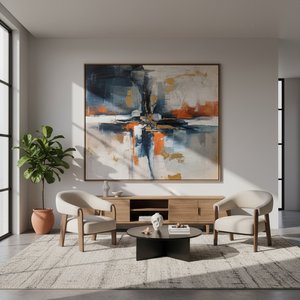
Beyond Reproduction: The Aesthetic and Emotional Value of Commissioned Art in Contemporary Interior Spaces
Discover the art of commissioning bespoke paintings & portraits. Expert guidance from artist selection to final placement. Elevate your space with unique, emotionally resonant artwork – a lasting investment in artistry and personal expression.

From Inspiration to Creation: A Collaborative Journey in Custom Art Commissioning – Exploring the Client-Artist Partnership at AllPaintingsStore
Commission unique, handmade art with skilled artists at . Transform your vision into a lasting heirloom. Expert consultations, personalized service & guaranteed quality. Explore bespoke portraits, paintings & more.

The Bespoke Canvas: Commissioned Art as Unique Expression & Investment
Discover the art of commissioning unique masterpieces. Explore the investment potential & personal storytelling behind bespoke artwork with expert guidance. Elevate your collection today.


