


 معاينة الحجم الحقيقي
 مشاركة
 مشاركة
 التفاصيل
 الدليل

 تحميل الملف
 قطع مشابهة
 الأشعة السينية
 عرض شرائح
 الإحصائيات
تَبَلُّوَةُ القُرْطاسِ وَالرَّسُولُ


 عرض المزيد
نسخة زيتية مصنوعة يدوياً
لوحة زيتية مرسومة يدوياً على الكانفاس بالمقاس والإطار الذي تفضله، تُنفذ حسب الطلب على أيدي فنانينا. ( التحويل إلى المطبوعات الانتقال إلى الصورة الرقمية)




P118B $10

P118H $10

P118W $10

P438Z $10

P508JH $12

P508YH $12

P805H $10

P805Z $10

P919BZ $10

P919G $10

P919XJ $10

P959ZH $10

P968JZ $12

W106C $8

W218G $10

W218JH $8

W218Y $10

W307PJ $10

W316G $10

W316PJ $8

W316Y $10

W398PJ $8

W4111J $10

W500HY $15

W500JH $15

W692G $12

W849H $8

W940BG $15

W953PJ $8




اختر من بين أحجامنا المُعدّة مسبقًا والتي تتطابق مع النسب الأصلية للعمل الفني.

يمكنك إدخال أبعادك الخاصة لتناسب إطارًا معينًا أو مساحة محددة. وإذا لم يتطابق الحجم الذي اخترته مع نسب الصورة الأصلية، فسنقوم إما بقص العمل الفني أو توسيع اللوحة بإضافة عناصر مرسومة يدويًا. سيتم إرسال نموذج رقمي إليك للموافقة عليه قبل بدء الإنتاج.
يرجى ملاحظة أن المعاينة على الشاشة لا تعكس عملية القص أو التوسيع الفعلية؛ حيث إن النموذج الرقمي وحده هو الذي سيوضح التكوين النهائي بدقة.
وعلى الرغم من توفر أحجام مخصصة، إلا أننا نوصي باختيار أبعاد من القائمة المحددة مسبقًا للحفاظ على النسب الأصلية للعمل الفني.
بعد إتمام الطلب، سيرسل فريق AllPaintingsStore.com بريداً إلكترونياً للعميل لطلب التعليمات وتزويده بمعاينة تجريبية (mockup).
توصيل عالمي إلى خلال 3 إلى 4 أسابيع بدلاً من المدة المعتادة البالغة 5 أسابيع. (25 سبتمبر). جودة لا تهاون فيها.

شحن سريع ومجاني لجميع أنحاء العالم

قماش كتان عالي الجودة

تأمين شحن شامل

ضمان استرداد الرسوم الجمركية

ضمان مطابقة الألوان الحقيقية

سياسة الإرجاع خلال 100 يوم (في حالات العيوب فقط)

ضمان استرداد نقدي بنسبة 100%

خصم عند طلب عدة قطع
 خيار الزجاج متاح فقط للمقاسات التي تقل عن 110 سم

تَبَلُّوَةُ القُرْطاسِ وَالرَّسُولُ
خامة إعادة الإنتاج
مقاس النسخة المطبوعة
-


السعر الإجمالي النهائي
$ 408
تفسير تحفة فنية: التجديد القديس جيري
التجديد القديس جيري هو لوحة زيتية فريدة من نوعها تعود إلى أواخر القرن الخامس عشر، وتعتبر من أهم الأعمال الفنية التي ظهرت في العمارة النوردية المبكرة. اللوحة تحمل عنوانًا غير معروف باللغة الإنجليزية، ولكنها تروي قصة دينية مؤثرة تتناول تعليمًا روحانيًا يقدمه القديس جيري لمجموعة من الأشخاص، بما في ذلك الكنيسة والنبلاء والمواطنين العاديين، وتُعد هذه اللوحة تحفة فنية حقيقية تُجسد الأسلوب البارز الذي تميز به المايستير دي لا ڤيو د سانت غودوله. الرسم يمثل مشهدًا داخليًا يتميز بتكوينه المعقد والمليء بالشخصيات، حيث يقف القديس جيري على منصة مرتفعة محاطًا بالرجال الذين يستمعون إليه بانتباه شديد، ويوجد أيضًا امرأة تقدم تعليمًا وتُظهر تفاصيل دقيقة في الزخرفة والتصميم الداخلي للرسم، مما يعكس الاهتمام بالتفاصيل التي كان يميز الفنون النوردية في تلك الحقبة. يتميز المايستير دي لا ڤيو د سانت غودوله بأسلوبه الذي يجمع بين الواقعية والرمزية، ويستخدم تقنية التلوين الزيتي لتجسيد الألوان الغنية والتناقضات الضوئية التي تزيد من تأثير العمل الفني العاطفي. تعتبر هذه اللوحة مثالًا رائعًا على فن العمارة النوردية في القرن الخامس عشر، حيث يركز الفنان على إبراز القوة الروحانية والرمزية للمشهد، ويستخدم الألوان الزاهية والتكوين البارز لإضفاء الجمالية على العمل الفني. يُظهر المايستير دي لا ڤيو د سانت غودوله مهارة فنية عالية في استخدام تقنية التلوين الزيتي وتجسيد التفاصيل الدقيقة، مما يجعله من أبرز الفنانين الذين تركوا بصمة واضحة في تاريخ الفن الأوروبي.- الأسلوب: العمارة النوردية المبكرة
- المادة: زيت على لوحة خشبية
- الفنان: المايستير دي لا ڤيو د سانت غودوله (1480-1499)
- التاريخ: أواخر القرن الخامس عشر
- المكان: بروكسل
أعمال فنية ذات صلة


السيرة الذاتية للفنان
The Enigmatic Master of the View of Saint Gudula: A Brussels Visionary
The identity of the “Master of the View of Saint Gudula,” a pivotal figure in 15th-century Flemish painting, remains tantalizingly elusive. Active primarily in Brussels between 1480 and 1499, this artist’s work—characterized by intimate portraits, serene religious scenes, and subtly integrated urban landscapes—has captivated scholars for centuries. While definitively pinning down his name or precise origins has proven difficult, a compelling body of evidence suggests he was a highly skilled painter deeply rooted in the artistic traditions of both Bruges and Antwerp, yet possessing a distinctly individual style.
Early speculation often linked him to Aert van den Bossche, due to stylistic similarities and a shared signature—“Harnoult van den Boske”—registered with the Bruges Guild of St. Luke in 1505. However, closer examination reveals subtle but crucial differences in palette, composition, and brushwork, leading many art historians to believe he represents a separate, albeit related, artistic lineage. Max J. Friedländer’s seminal work, “Early Netherlandish Painting,” played a significant role in establishing the Master of Saint Gudula as a distinct figure, grouping several works together based on stylistic coherence and identifying key influences – notably the meticulous realism and emotional depth of Rogier van der Weyden, alongside the refined elegance of Hans Memling.
A Portraitist of Prominence and Religious Devotion
The Master’s oeuvre is remarkably diverse, encompassing a range of subjects. He excelled in portraiture, producing exquisitely rendered depictions of prominent church patrons – individuals who commissioned works to secure their legacy and demonstrate piety. These portraits are not merely likenesses; they convey a sense of personality, social standing, and spiritual depth. His subjects often engage in contemplative gestures or hold symbolic objects, subtly reinforcing the themes of faith and virtue.
Alongside his portraiture, the Master created numerous religious paintings. These works frequently feature scenes from the lives of saints—particularly Saint Jerome, a favorite subject among Flemish artists—and biblical narratives. His depictions are characterized by a remarkable attention to detail, particularly in rendering fabrics, textures, and facial expressions. A notable example is “Young Man Holding a Book,” currently housed at The Metropolitan Museum of Art, which exemplifies his mastery of capturing psychological nuance and conveying a sense of quiet contemplation.
The Urban Canvas: Landscapes Woven into Religious Scenes
Perhaps the most distinctive aspect of the Master’s work is his incorporation of urban landscapes—specifically, the view of Saint Gudula's cathedral in Brussels—into his religious compositions. This seemingly minor detail elevates his paintings beyond mere devotional images; they become windows onto a specific time and place, offering glimpses into the daily life and architectural beauty of 15th-century Brussels. The precise construction of the belfry, visible in many of his works, provides a chronological marker, allowing scholars to date his activity with increasing accuracy.
The inclusion of these urban vistas suggests a deep connection between the artist and his city—a sense of belonging and an appreciation for its visual richness. It’s hypothesized that he may have trained with artists who specialized in landscape painting, or perhaps developed this technique independently, recognizing its potential to enrich and contextualize his religious subjects.
Influences and Legacy
The Master of the View of Saint Gudula stands as a crucial link between the more rigid conventions of Early Netherlandish art and the burgeoning naturalism that would characterize later generations. He absorbed influences from masters like Hans Memling, whose meticulous detail and refined elegance are evident in his work, while simultaneously forging his own unique artistic voice. His subtle use of color, his nuanced portrayal of human emotion, and his innovative integration of urban landscapes have left a lasting impact on Flemish painting.
Despite the ongoing debate surrounding his identity, the Master of the View of Saint Gudula remains an important figure in the history of art. His paintings offer a valuable insight into the cultural and artistic landscape of 15th-century Brussels—a testament to the skill, creativity, and enduring mystery of this enigmatic artist.

master of the view of saint gudule
1480 - 1499
حقائق سريعة
- Artistic Movement Or Style: Early Netherlandish
- Artists Or Movements Influenced By This Artist: ['Flemish Primitives']
- Artists Who Influenced This Artist: ['Rogier van der Weyden']
- Date Of Birth: 1480
- Date Of Death: 1499
- Full Name: Master of the View of Saint Gudula
- Nationality: Netherlandish
- Notable Artworks:
- Young Man Holding a Book
- Legend of Saint Barbara
- Place Of Birth: Brussels, Belgium
مقالات ذات صلة
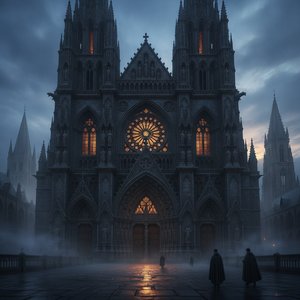
Gothic Art Guide for Hotel Designers: Leveraging Dramatic Shadows and Architectural Grandeur in Luxury Interiors
Elevate hospitality interiors with our expert guide to Gothic art. Discover how to leverage dramatic shadows, architectural grandeur, and high-end reproductions to create sophisticated, atmospheric hotel spaces that captivate guests.


