


 معاينة الحجم الواقعي
 إرسال
إرسال مشاركة
 عرض التفاصيل
 دليل الأعمال الفنية للطلاب

 تحميل
تحميل
 قطع مشابهة
 الأشعة السينية
 عرض شرائح متتابع
 الإحصائيات
بورتريه ذاتي
 زيت على قماش
- فن جداري
- الكلاسيكية
 1757
1757- عصر النهضة
 45.0 x 42.0 cm
 اقرأ المزيد
نسخة زيتية مصنوعة يدوياً
لوحة زيتية مرسومة يدوياً على الكانفاس بالمقاس والإطار الذي تفضله، تُنفذ حسب الطلب على أيدي فنانينا. ( التبديل إلى المطبوعات التحويل إلى الصورة الرقمية)




P118B E£10

P118H E£10

P118W E£10

P438Z E£10

P508JH E£12

P508YH E£12

P805H E£10

P805Z E£10

P919BZ E£10

P919G E£10

P919XJ E£10

P959ZH E£10

P968JZ E£12

W106C E£8

W218G E£10

W218JH E£8

W218Y E£10

W307PJ E£10

W316G E£10

W316PJ E£8

W316Y E£10

W398PJ E£8

W4111J E£10

W500HY E£15

W500JH E£15

W692G E£12

W849H E£8

W940BG E£15

W953PJ E£8




اختر من بين أحجامنا المُعدّة مسبقاً والتي تتوافق مع النسب الأصلية للعمل الفني.

أدخل العرض والارتفاع اللذين تحتاجهما، ليتناسب العمل مع إطارك أو جدارك. وبما أن هذه اللوحة مرسومة يدوياً، ففي حال اختيار مقاس بشكل مختلف، يمكن للفنان رسم مساحة إضافية حول الصورة أو تقليصها قليلاً — الخيار لك. سنرسل لك نموذجاً رقمياً تجريبياً لاعتماده قبل البدء في الرسم. علماً بأن الصورة المعروضة في هذه الصفحة لا تعكس النتيجة النهائية الحقيقية — فالنموذج التجريبي هو الوحيد الذي يوضح ذلك بدقة.
بعد إتمام الطلب، سيرسل فريق AllPaintingsStore.com بريداً إلكترونياً للعميل لطلب التعليمات وتزويده بمعاينة تجريبية (mockup).
توصيل عالمي إلى خلال 3 إلى 4 أسابيع بدلاً من المدة المعتادة البالغة 5 أسابيع. (25 أكتوبر). جودة لا تهاون فيها.

شحن سريع ومجاني لجميع أنحاء العالم

قماش كتان فاخر

تأمين شامل على الشحن

ضمان استرداد الرسوم الجمركية

ضمان دقة مطابقة الألوان

سياسة الإرجاع خلال 100 يوم (في حالات العيوب فقط)

ضمان استرداد نقدي بنسبة 100%

عرض خصم الكميات
 خيار الزجاج متاح فقط للمقاسات التي تقل عن 110 سم

بورتريه ذاتي
وسيط إعادة الإنتاج
مقاس النسخة المطبوعة
-


إجمالي السعر
E£ 13352
بورتريه ذاتي لويليام هوغارث: إطلالة على عالم فنان
تفتح لوحة البورتريه الذاتي للفنان ويليام هوغارث، التي رُسمت عام 1757، نافذة ساحرة على حياة وممارسة أحد أهم الفنانين في تاريخ بريطانيا. تجسد هذه اللوحة الزيتية على القماش (45 × 42 سم) جوهر المدرسة الكلاسيكية، بينما تكشف في الوقت ذاته عن شخصية هوغارث الفريدة وتفانيه المطلق في حرفته. إنها أكثر من مجرد محاكاة للوجه؛ فهي بيان فني حول دور الفنان في المجتمع والتزامه العميق بدقة الملاحظة وإتقان المهارة.
تقنية الفنان وتكوين اللوحة
اشتهر هوغارث ببراعته في رسم البورتريهات الذاتية، حيث كان غالباً ما يصور نفسه وهو منغمس بنشاط في مساعيه الفنية. وفي هذا العمل تحديداً، يصور نفسه جالساً براحة على كرسي، بينما تقبض يداه بثبات على الفرشاة ولوحة الألوان. وتتجه نظراته المركزة نحو القماش الموضوع أمامه، حيث يبدو وكأنه يعمل على رسم أو لوحة قيد الإنجاز. وتوحي ملابسه بهيئة فنان في خضم عمله، مما يعزز هوية الشخصية كونه هوغارث نفسه. ويبرز التكوين بمهارة تفاني الفنان، إذ يتمحور حول جسده وعمليته الإبداعية، بينما يضيف وجود خفي في الخلفية عمقاً للمشهد، ليمثل ربما مراقباً آخر أو مجرد جزء من البيئة الفنية لهوغارث. كما يعمل استخدام الضوء والظل على تحديد الأشكال وخلق إحساس بالواقعية، وهو ما ميز تلك الحقبة الزمنية.
السياق التاريخي: فن البورتريه الذاتي في القرن الثامن عشر
خلال القرن الثامن عشر، حملت الصور الشخصية الذاتية أهمية كبيرة تجاوزت مجرد التمثيل البصري؛ فقد كانت بمثابة استعراض لمهارة الفنان، وبراعته الفنية، وحتى مكانته الاجتماعية. ويتماشى البورتبيه الذاتي لهوغارث تماماً مع هذا التقليد، حيث يظهر قدرته على مزج الواقعية بالعناصر الكلاسيكية، وهي السمة المميزة للحركة الكلاسيكية التي كانت سائدة في ذلك الوقت. كما تعكس اللوحة التركيز المتزايد على التعبير الفردي وأهمية توثيق الذات داخل المجتمع الفني.
الرمزية والأهمية الفنية
تكتسب هذه اللوحة البورتريه الذاتي أهميتها ليس فقط من خلال تصوير هوغارث، بل أيضاً لمساهمتها في تاريخ الفن الغربي. فقد شهد عصرا النهضة والباروك طفرة في فن البورتريه الذاتي مع سعي الفنانين للتعبير عن فرديتهم ورؤيتهم الفنية، ويواصل عمل هوغارث هذا الاتجاه، عاكساً منظوره الفريد ضمن الحركة الكلاسيكية. إن المخطط غير المكتمل على الحامل يرمز إلى الاستكشاف الإبداعي المستمر وعملية بث الحياة في الأفكار، مما يوحي بأن الفن ليس مجرد منتج نهائي، بل هو رحلة متواصلة من الملاحظة والتجريب والتهذيب. وتتحدث التفاصيل المرسومة بعناية — كالفرشاة ولوحة الألوان والملابس — عن تمكن هوغارث من تقنيات الرسم الزيتي.
الأهمية في عصرنا الحالي
لا تزال لوحة البورتريه الذاتي لويليام هوغارث حتى يومنا هذا قطعة محتفى بها في تاريخ الفن، فهي تقف كشاهد على ديمومة التقنيات الفنية وأهمية التعبير عن الذات. وللمهتمين باستكشاف المزيد من أعمال هوغارث أو الفنانين المماثلين، فإن فحص لوحاته وسلاسل أعماله الأخرى يمنح رؤى أعمق لمنظوره الفريد وتعليقاته الساخرة على مجتمع القرن الثامن عشر.
الأسئلة والأجوبة
ما هي الزاوية الأنسب في المنزل لوضع نسخة من "بورتريه ذاتي"؟
يُنصح بوضع "بورتريه ذاتي" للفنان ويليام هوغارث في غرفة المعيشة. يعتمد هذا الاقتراح على موضوع العمل وألوانه وأجوائه العامة.
ما هي التقنية والأسلوب اللذان يميزان "بورتريه ذاتي" للفنان ويليام هوغارث؟
في "بورتريه ذاتي"، تلتقي تقنية زيت على قماش مع حركة الكلاسيكية.
ما هو تاريخ إبداع "بورتريه ذاتي" للفنان ويليام هوغارث؟
يعود تاريخ إبداع "بورتريه ذاتي" للفنان ويليام هوغارث إلى عام 1757.
أعمال فنية مشابهة


نبذة عن الفنان
A London Life in Ink and Paint: The World of William Hogarth
William Hogarth, born into the bustling heart of 18th-century London in 1697, was more than just an artist; he was a visual historian, a keen observer of human nature, and a satirical commentator on the societal currents of his age. His life story is inextricably linked to the very fabric of England during a period of significant transformation – its burgeoning ambitions, underlying anxieties, and pervasive hypocrisies all finding potent expression in his remarkably detailed and often biting works. The son of a struggling Latin schoolmaster, Hogarth’s early experiences instilled within him both a love for learning and a sharp awareness of social inequalities, a foundation that would prove crucial to shaping his artistic vision. Initially apprenticed to an engraver, he quickly demonstrated a talent extending beyond mere technical skill; he possessed an innate ability to observe the nuances of human behavior and translate them into compelling visual narratives. However, he chafed against the constraints of traditional engraving, seeking a more expressive outlet for his burgeoning creativity. This led him to studies at both St Martin’s Lane Academy and under Sir James Thornhill, where he honed his skills in painting and composition, absorbing influences that would later inform his unique style.The Birth of Modern Moral Subjects
Hogarth's true innovation lay not simply *what* he painted, but *how*. He pioneered what he termed “modern moral subjects” – series of pictures designed to tell a story, often imbued with a strong satirical edge. These weren’t isolated portraits or landscapes; they were visual novels unfolding before the viewer’s eyes, offering pointed commentary on contemporary society. A Harlot's Progress, created in 1742, stands as perhaps his most famous example. This series of six paintings meticulously follows the tragic downfall of Mary, a young woman arriving in London full of hope but quickly succumbing to the temptations and dangers of city life. Each scene is rendered with painstaking detail, filled with symbolic elements that reveal the moral decay surrounding her. The artist’s masterful use of line and shading brought these figures to life with remarkable clarity, capturing both their vulnerability and their folly. Similarly, A Rake's Progress, begun in 1733, charts the reckless decline of Tom Rakewell, a man who squanders his inheritance on gambling, debauchery, and ultimately, madness. These weren’t merely cautionary tales; they were unflinching portraits of a society grappling with issues of class, morality, and social mobility. Hogarth's genius resided in his ability to elevate everyday scenes – the bustling streets of London, the opulent interiors of the wealthy, the squalid lives of the poor – into works of art that resonated deeply with his audience. He didn’t shy away from depicting the harsh realities of life, presenting them with a blend of humor and pathos that forced viewers to confront uncomfortable truths about themselves and their society.Technique and Influences: A Synthesis of Styles
Hogarth's artistic style was a unique amalgamation of diverse influences. He greatly admired the realism and narrative detail found in the works of Dutch genre painters like Pieter de Hooch, evident in his meticulous depictions of interiors and everyday life. The satirical prints produced in France also played a role in shaping his approach to social commentary. However, Hogarth wasn’t simply imitating these sources; he was synthesizing them into something entirely new and distinctly his own. His technique was characterized by a masterful use of line and shading, particularly evident in his engravings. He employed a distinctive cross-hatching technique that created depth and texture, bringing his scenes to life with remarkable clarity. This meticulous attention to detail—a hallmark of Hogarth’s oeuvre—allowed him to convey emotion and moral judgment with unparalleled precision. Beyond visual art, Hogarth was influenced by literary works, particularly those of Jonathan Swift and Henry Fielding, whose satirical wit informed his own social observations. He believed that art should not merely be beautiful but should also serve a moral purpose, challenging viewers to think critically about the world around them and their place within it. He sought to hold a mirror up to nature, reflecting both its beauty and its ugliness with unflinching honesty.Major Achievements: Shaping English Art
Hogarth’s contribution to English art is undeniable. He revolutionized painting by establishing what became known as “modern moral subjects,” fundamentally altering the artistic landscape of his time. His series of paintings—including *A Harlot's Progress*, *Marriage A-la-Mode*, and *A Rake's Progress*—became enduring symbols of social critique and psychological insight. These works weren’t merely aesthetically pleasing; they provoked profound reflection on human behavior and societal values, cementing Hogarth’s place as one of the most influential artists of the Enlightenment. His engravings, particularly *A Harlot's Progress*, achieved widespread popularity thanks to their ability to disseminate his satirical ideas across a broad readership. This unprecedented success demonstrated the power of visual storytelling to engage audiences and challenge conventional wisdom.Historical Significance: A Legacy Enduring Through Time
William Hogarth’s legacy extends far beyond his artistic achievements. He is considered a pivotal figure in the history of British art, marking a decisive break from traditional conventions and paving the way for future generations of artists. His unflinching portrayal of human nature—both its virtues and vices—continues to inspire debate and contemplation today. Artists like James Gillray and George Cruikshank drew inspiration from Hogarth’s style, carrying forward his tradition of social satire into the Victorian era and beyond. Furthermore, Hogarth's influence can be seen in contemporary visual culture, including political cartoons and comic strips—a testament to the enduring power of his artistic vision. He remains a beacon of intellectual curiosity and moral courage, reminding us that art has the capacity to illuminate the complexities of human experience and transform our understanding of the world around us.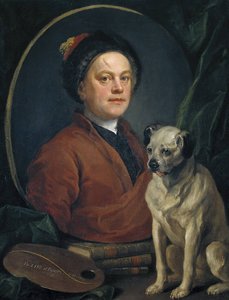
ويليام هوغارث
1697 - 1764 , المملكة المتحدة
لمحة سريعة
- Artistic Movement Or Style: واقعية ساخرة
- Artists Or Movements Influenced By This Artist: ['جيمس جيلراي']
- Artists Who Influenced This Artist:
- بيتر دي هوخ
- جونathan سويفت
- Date Of Birth: ١٦٩٧
- Date Of Death: ١٧٦٤
- Full Name: ويليام هوغارث
- Nationality: بريطاني
- Notable Artworks:
- أ هارلوت بروجريس
- رائع بروجريس
- Place Of Birth: لندن، المملكة المتحدة
مقالات ذات صلة

Oil on Canvas: A Historical & Technical Exploration of a Timeless Artistic Medium
Explore the rich history & enduring techniques of oil painting on canvas. Discover the science behind its longevity, conservation practices, and contemporary relevance. Expert insights for art enthusiasts.

Neo-Classicism's Greatest Hits: 10 Masterpieces for Your Home |
Journey through Neo-Classicism's finest! Explore 10 iconic masterpieces by David, Ingres & Canova. Discover art history, techniques & timeless beauty – perfect for inspiring your home decor. Find museum-quality reproductions at

The Enduring Legacy of Oil on Canvas: Technique, History & Aesthetic Impact
Explore the rich history & techniques of oil painting – from Renaissance masters to Impressionism. Discover pigments, layering methods, and why this timeless medium endures. Expert insights for artists & art enthusiasts.

18th Century Masters: 10 Artworks That Define an Era | AllPaintingsStore
Journey through 18th century art! Explore 10 iconic paintings – from Rococo elegance to Neoclassical grandeur. Discover Fragonard, David & more. Find museum-quality reproductions and elevate your home decor on AllPaintingsStore.com.

William Hogarth: Satire, Social Commentary & the Birth of Modern British Art
Explore the satirical world of William Hogarth, pioneering British painter & engraver. Discover his iconic works like *A Rake's Progress* and insightful social commentary on 18th-century London life.


