Albert Jansz Vinckenbrinck: A Sculptor of Amsterdam’s Golden Age
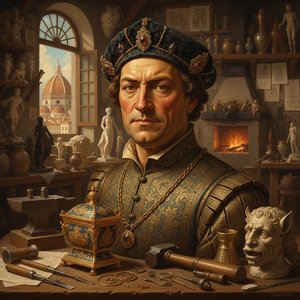
Albert Jansz Vinckenbrink (1604, Spaarndam – 1665, Amsterdam), was a Dutch Golden Age sculptor who resided in Amsterdam and whose legacy continues to inspire admiration for his masterful craftsmanship and contribution to the artistic landscape of his era. Despite limited biographical details surviving, scholarly research reveals that he honed his skills under the tutelage of his father, establishing himself as a pivotal figure within a family renowned for sculptural excellence – Jan, Hendrik, and Abraham Vinckenbrinck—all esteemed artisans of their time. His marriage to Geertruyt Collaert solidified his personal life amidst the vibrant cultural milieu of Amsterdam.
- Early Life & Training: Little is definitively known about Vinckenbrink’s formative years; however, evidence suggests he received a foundational education in sculpture from his father, mastering techniques that would define his artistic style and transmit across generations within the Vinckenbrinck family lineage.
- Notable Commissions & Patronage: Vinckenbrink gained prominence through significant commissions undertaken for ecclesiastical institutions, notably the pulpit of Nieuwe Kerk (New Church) in Amsterdam—a testament to his skill and dedication to religious art. Furthermore, a portrait commissioned by Pieter Holsteyn II captures him as “sculptor of the city,” underscoring the esteem accorded to his artistic prowess within Amsterdam’s civic circles.
- Iconic Sculptures: Among Vinckenbrink's most celebrated works are the statues of David and Goliath housed in the Café of the Royal Albert Memorial Museum (RAMM), Exeter—pieces that exemplify his ability to convey biblical narratives with anatomical precision and emotional depth. These sculptures stand as enduring symbols of faith and artistic achievement.
Vinckenbrink’s oeuvre demonstrates a distinctive blend of realism and expressive detail, reflecting the prevailing stylistic trends of the Dutch Baroque period. His meticulous attention to anatomy—particularly evident in depictions of biblical figures—was influenced by humanist ideals prevalent during his lifetime and aligns with broader developments in sculptural art across Europe. The influence of Michelangelo's monumental sculptures is palpable in Vinckenbrink’s approach to portraying human form, showcasing a profound understanding of artistic principles.
- Influence & Legacy: Vinckenbrink’s work served as an inspiration for subsequent generations of sculptors, establishing him as a cornerstone of Amsterdam's sculptural tradition. His dedication to anatomical accuracy and emotive portrayal continues to resonate with art historians and collectors alike, cementing his place among the most accomplished artists of the Dutch Golden Age.
- Further Research: Ongoing scholarly investigations aim to illuminate more facets of Vinckenbrink’s life and artistic practice, utilizing archival materials and comparative analyses to deepen our comprehension of his contribution to European sculpture history.
The Royal Albert Memorial Museum houses a remarkable collection showcasing Vinckenbrinck's sculptures—a tangible reminder of Amsterdam’s artistic heritage and the enduring power of classical sculptural ideals. Visiting RAMM offers an opportunity to contemplate these masterpieces firsthand, immersing oneself in the beauty and sophistication of Baroque artistry.