

1


تحديث نوفمبر 2026 · مُرتبة حسب مؤشر شعبيتنا (عمليات البحث، والزيارات، والطلبات لكل عمل فني) · 1 أعمال لـ Albert في كتالوجنا
إجابة سريعة
أشهر لوحة للفنان Albert هي Study for the rear section façade (Palais d؛ والنسخة الأصلية موجودة في Grand Palais، باريس. من بين 1 من أعمال Albert في كتالوجنا، هذه هي الأعمال الـ 1 الأكثر شهرة، مرتبة مع ذكر سنة إنتاجها والمتحف الذي تنتمي إليه، لتتمكن من اختيار اللوحة التي تود طلبها.
المتاحف 1 التي تضم أكبر عدد من اللوحات الموجودة في هذه الصفحة.
| المتحف | المدينة | أعمال Albert | لوحات من هذه القائمة |
|---|---|---|---|
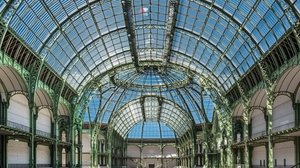 Grand Palais |
باريس | 1 | Study for the rear section façade (Palais d |
Study for the rear section façade (Palais d في المرتبة الأولى.
يوجد 1 من أعمال Albert في كتالوجنا.
بشكل أساسي في Grand Palais (باريس). راجع جدول المتاحف أعلاه للاطلاع على القائمة الكاملة.
In the grand tapestry of late nineteenth-century French design, few names resonate with the structural elegance and historical reverence of Albert-Félix-Théophile Thomas. Born in the vibrant port city of Marseille on August 11, 1847, Thomas emerged as a pivotal figure in the architectural landscape of Paris during a period of profound urban transformation. His journey was one of rigorous academic discipline and classical inspiration, shaped by his formative years as a student at the prestigious École des Beaux-Arts. Under the mentorship of masters such as Alexis Paccard and Leon Vaudoyer, Thomas honed a technique that balanced the weight of monumental stone with the delicate grace of ornamental detail, a skill that would eventually place him at the heart of France's most ambitious civic projects.
The trajectory of his early career was marked by extraordinary distinction. In 1870, Thomas achieved the remarkable feat of winning the first Prix de Rome, becoming the youngest recipient of the French Academy in Rome. This prestigious accolade granted him access to the cradle of classical antiquity, allowing him to immerse himself in the study of ancient ruins. His travels through the Mediterranean landscape led him to the profound exploration of the Temple of Apollo at Miletus and the Temple of Athena at Priene. These encounters with the remnants of Greek architectural genius did more than just refine his aesthetic; they instilled in him a deep understanding of proportion, light, and the enduring power of stone, earning him a well-deserved medal at the Exposition Universelle of 1878.
As the turn of the century approached, Thomas’s expertise became indispensable to the architectural evolution of Paris. He played a vital role in one of the most significant construction endeavors of the era: the creation of the Grand Palais. Tasked with contributing to the design and construction of this monumental landmark between 1896 and 1900, Thomas worked alongside other luminaries like Henri Deglane and Albert Louvet. His contributions were essential in realizing a structure that was intended to showcase France's unparalleled artistic and technical prowess to the world during the 1900 Universal Exhibition. The project was not merely about building a hall for exhibitions; it was about crafting a symbol of national pride, blending iron and glass with classical motifs.
Beyond the grand civic stages of Paris, Thomas’s architectural footprint extended into the realm of private grandeur and international influence. His design for the Château du Grand Chavanon stands as a testament to his ability to translate monumental principles into intimate, luxurious settings—a residence that would later become part of a fascinating historical footnote when owned by Jean-Bédel Bokassa. Throughout his life, Thomas remained a master of the Beaux-Arts tradition, ensuring that every line he drew and every structure he raised spoke to the continuity of history. When he passed away in Paris in 1907, he left behind a city forever transformed by his vision, leaving an indelible mark on the very silhouette of the French capital.