


1

نسخة زيتية مرسومة يدوياً لـ $211 28 × 35 cm
بنفس حجم العمل الأصلي $549 98 × 121 cm اطلب بالمقاس الأصلي →
اطلب هذه اللوحة
تفاصيل اللوحة

تحديث نوفمبر 2026 · مُرتبة حسب مؤشر شعبيتنا (عمليات البحث، والزيارات، والطلبات لكل عمل فني) · 1 من أعمال Benny Bendixen في كتالوجنا
إجابة سريعة
تُعد لوحة Hagar og Ismael (1831) هي اللوحة الأولى من بين أعمال Benny Bendixen، وتوجد النسخة الأصلية منها في Statens Museum For Kunst، كوبنهاغن. يضم كتالوجنا 1 من أعمال Benny Bendixen. وتُعد الـ 1 المذكورة هنا هي الأكثر شهرة، مرتبة حسب الأهمية، مع ذكر سنة وتواجد كل لوحة أصلية في المتاحف.
المتاحف 1 التي تضم أكبر عدد من اللوحات الموجودة في هذه الصفحة.
| المتاحف | المدينة | أعمال Benny Bendixen | لوحات من هذه القائمة |
|---|---|---|---|
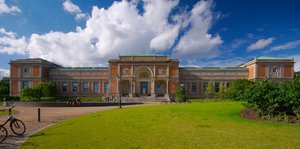 Statens Museum For Kunst |
كوبنهاغن | 1 | Hagar og Ismael |
1831: كل لوحة للفنان Benny Bendixen مؤرخة في هذه الصفحة تعود إلى ذلك العام. إليكم اللوحات مرتبة حسب التصنيف.
اختر سنة لعرض لوحاتها.
Hagar og Ismael (1831) في المرتبة الأولى.
كان عمر Benny Bendixen 21 عاماً: يعود تاريخ Hagar og Ismael إلى 1831، وقد وُلد Benny Bendixen في 1810.
يوجد 1 من أعمال Benny Bendixen في كتالوجنا.
بشكل أساسي في Statens Museum For Kunst (كوبنهاغن). راجع جدول المتاحف أعلاه للاطلاع على القائمة الكاملة.
نعم. يمكن طلب كل لوحة في هذه الصفحة كنسخة زيتية مرسومة يدوياً أو كمطبوعة. افتح اللوحة، اختر المقاس، ثم أتمم طلبك.
Benny Bendixen lived a life defined by the quiet pursuit of recognition within the rigorous structures of the nineteenth-century art world. Born in 1810, he emerged from Copenhagen with an ambition that would lead him through several seasons of academic trial. His early years were marked by a determined attempt to secure the Art Academy's gold medal, a feat he pursued with singular focus on three separate occasions. Despite his persistence, the strict eye of Professor Lund remained unmoved by his efforts, and the desired accolades remained out of reach.
This lack of academic approval may have influenced his eventual departure from Denmark. While the reasons for his movement remain a matter of historical speculation, it is possible that personal ties drew him toward Mecklenburg, closer to the birthplace of his wife. Such shifts in geography often accompanied the lives of many artists of his era, moving between the cultural centers of Copenhagen, Hamburg, and Mecklenburg.
When the formal gates of the Academy did not open, Bendixen turned his talents toward the practical demands of the portraitist. In Hamburg, he established himself through a diverse range of technical disciplines. He was not limited to the brush; his professional life was shaped by the evolving technologies of his time.
His repertoire included several distinct modes of image-making:
This versatility allowed him to sustain a livelihood in Hamburg, far from the academic scrutiny of his youth. He functioned as a working artist, meeting the needs of a society that required accurate and dignified representations of its members.
The trajectory of Bendixen's career was one of adaptation rather than institutional triumph. He moved through the landscapes of Northern Europe, leaving behind works that reflect the technical skill of a trained hand. His death in 1877 marked the end of a life spent navigating the tension between personal ambition and professional reality. Though he did not secure the gold medal he sought, his ability to master painting, lithography, and photography remains a clear record of his capability.