


1

نسخة زيتية مرسومة يدوياً من $170 40 × 25 cm
بنفس حجم العمل الأصلي $181 46 × 30 cm اطلب بالحجم الأصلي →
اطلب نسخة مرسومة يدوياً
عن اللوحة

تحديث نوفمبر 2026 · مُرتبة حسب مؤشر شعبيتنا (عمليات البحث، والزيارات، والطلبات لكل عمل فني) · 6 أعمال لـ Hans Hoffmann في كتالوجنا
إجابة سريعة
تُعد A Wild Boar Piglet (1578) اللوحة الأكثر شهرة لـ Hans Hoffmann. يحتل Expulsion from Paradise (1585) المركز الثاني، وA Hare in the Forest (1585) المركز الثالث. يحتوي كتالوجنا على 6 من أعمال Hans Hoffmann؛ إليكم 6 من أشهرها، مرتبة مع ذكر سنة الإنتاج والمتحف الخاص بكل منها، لمساعدتكم في اختيار العمل الذي تودون طلبه.


المتاحف الـ 3 التي تضم أكبر عدد من اللوحات الموجودة في هذه الصفحة.
| المتحف | المدينة | أعمال Hans Hoffmann | لوحات من هذه القائمة |
|---|---|---|---|
 المتحف الوطني في وارسو |
وارسو | 3 | Man of Sorrows, Ecce Homo, Christ among the doctors |
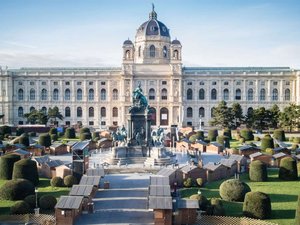 متحف الفنون التاريخية |
فيينا | 1 | Expulsion from Paradise |
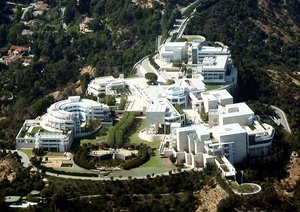 متحف ج. بول غيتي |
لوس أنجلوس | 1 | A Hare in the Forest |
عقد من لوحات Hans Hoffmann، من 1578 إلى 1585، معروضة عاماً تلو الآخر، بدءاً من الأعمال الأعلى تصنيفاً.
اختر سنة لعرض لوحاتها.
تأتي A Wild Boar Piglet (1578) في المرتبة الأولى، تليها Expulsion from Paradise (1585) ثم A Hare in the Forest (1585).
كان عمر Hans Hoffmann 48 عاماً: يعود تاريخ A Wild Boar Piglet إلى 1578، وقد وُلد Hans Hoffmann في 1530.
يوجد في كتالوجنا 6 من أعمال Hans Hoffmann، وتتراوح تواريخها من 1578 إلى 1585.
بشكل أساسي في المتحف الوطني في وارسو (وارسو), متحف الفنون التاريخية (فيينا) و متحف ج. بول غيتي (لوس أنجلوس). راجع جدول المتاحف أعلاه للاطلاع على القائمة الكاملة.
في 1585: 2 من أصل 6 لوحة مصنفة هنا تعود إلى تلك الفترة، بما في ذلك Expulsion from Paradise.
الأقدم في هذه الصفحة: A Wild Boar Piglet (1578). الأحدث: Expulsion from Paradise (1585).
تضم المتحف الوطني في وارسو, وارسو عدد 3 من اللوحات المدرجة هنا، بما في ذلك Man of Sorrows, Ecce Homo و Christ among the doctors.
نعم. يمكن طلب كل لوحة في هذه الصفحة كنسخة زيتية مرسومة يدوياً أو كمطبوعة. افتح اللوحة، اختر المقاس، ثم أتمم طلبك.
Born Johan Georg Albert in Weißenburg, Bavaria, the man who would become known to history as Hans Hofmann carried the spirit of the European avant-garde across the Atlantic. His early years were shaped by the streets of Munich, where he began his studies at various art schools in 1898. The path of his life was altered by the patronage of Philip Freudenberg, a collector from Berlin, whose support allowed Hofmann to wander through Paris between 1904 and 1914. In those Parisian years, he walked among the giants of modernism, finding himself in the company of figures like Georges Braque and Pablo Picasso. These encounters planted seeds of Cubism and Fauvism that would bloom much later in his own hands.
The winds of war eventually pulled him back to Munich. Though a lung condition spared him from military service during the Great War, it did not halt his creative momentum. By 1915, he had established an art school that drew students to his unique vision. This period of teaching and painting in Europe was marked by a deep synthesis of Symbolism and Neo-impressionism. He was a man who looked at the world through the lens of structure and light, always seeking a way to translate the pulse of nature onto a flat surface.
When Hofmann moved to the United States in 1932, he brought more than just his brushes; he brought a profound understanding of the French modernists. Settling first in New York and later establishing a presence in Provincetown, Massachusetts, he became a bridge between the old world and the new. He opened schools that would become crucibles for a new generation of painters. His classrooms were not merely places of instruction but sites where the ideas of Cézanne and Kandinsky were reimagined for an American audience.
His presence in New York was felt deeply by those who followed him. Many young artists, including Helen Frankenthaler and Lee Krasner, found guidance within his methods. He lived through a period of immense change, eventually becoming an American citizen in 1941. His work began to shift from the more structured forms of his youth toward a more gestural, spontaneous way of applying paint. This evolution helped define the era of Abstract Expressionism, as he moved away from strict geometry and toward a more fluid, energetic application of color.
Hofmann believed that a painter must remain faithful to the flatness of the canvas. He did not seek to trick the eye with false depth but rather to create movement through the interaction of elements. He developed a theory he called push and pull, which relied on the interdependent relationship between form, color, and space. By using bold, primary colors and contrasting textures, he could make certain parts of a painting advance toward the viewer while others receded. This technique allowed him to suggest depth without abandoning the physical reality of the support.
His later years were dedicated to this intense exploration of the medium. Even as his works became more abstract, he maintained a link to the natural world. He often spoke of the spiritual value found in color, believing that the visual experience of the world comes through a mystic realm of hue and light. His canvases, such as The Wind or Summer Summit, demonstrate this mastery of tension and release. He continued to experiment with thick impasto and painterly attacks until his death in New York City in 1966, leaving behind a legacy written in the very language of pigment.