


1


تحديث أكتوبر 2026 · مُرتبة حسب مؤشر شعبيتنا (عمليات البحث، والزيارات، والطلبات لكل عمل فني) · 36 أعمال لـ Alan Davie في كتالوجنا
إجابة سريعة
أشهر لوحة لـ Alan Davie هي Woman Arranging Flowers (1945). Untitled Abstract و Self Portrait with Brushes (1937) هما الرقمان اثنان وثلاثة. من بين 36 من أعمال Alan Davie في كتالوجنا، هذه هي الأعمال الـ 36 الأكثر شهرة، مرتبة مع ذكر سنة إنتاجها والمتحف الذي تنتمي إليه، لتتمكن من اختيار اللوحة التي تود طلبها.


 Joe's Magic Lantern1961
12
 Joe's Lucky Dip1961
13
 Keep Your Fingers Crossed1961
14
 Hopi Studies No.32, Opus 0.11731991 · University of Hertfordshire
15
 Hopi Studies No.30 (Big Blue) (Opus O.1171)1991
16
 Homage to an Earth Goddess No.61992
17
 Symbols in a Landscape1994 · The Pier Arts Centre
18
 Village Witch (Opus O.1263)1994
19
 Magic Casket1997 · المعرض الوطني الاسكتلندي للفنون الحديثة
20
 Celtic Landscape (Dreamscape)1996 · The Pier Arts Centre
21
 Magic Landscape (Opus O.1337)1996
22
 The Alchemist's Mirror No.1 (Opus 1357)1997
23
 Cosmic Signals I2000
24
 Cosmic Signals No.72000
25
 The Golden Palace1999
26
 Magician's Mirror No.22000 · The Mercer Art Gallery
27
 Serpent's Idea of a Horse2000
28
 The Magician's Mirror No.3 (Opus 1450)2000
29
 Without Devices2004 · Pembroke College Oxford Jcr Art Collection
30
 Around and Around in the Pinkالمعرض الوطني الكندي
31
 Kaleidoscope for a Parrot
32
 Prize for a Serpent
33
 Flowers on a TableThe Fleming Collection
34Prophet in a Tree, 1963متحف فيتزويليام
35
 Double MonumentRobinson College
36
 Hallucination with Monster and Cock
المتاحف الـ 8 التي تضم أكبر عدد من اللوحات الموجودة في هذه الصفحة.
| المتحف | المدينة | أعمال Alan Davie | لوحات من هذه القائمة |
|---|---|---|---|
 The Pier Arts Centre |
Stromness | 2 | Symbols in a Landscape, Celtic Landscape (Dreamscape) |
 University of Hertfordshire |
North Hatley | 1 | Hopi Studies No.32, Opus 0.1173 |
 المعرض الوطني الاسكتلندي للفنون الحديثة |
إدنبرة | 1 | Magic Casket |
 The Mercer Art Gallery |
هاروجيت | 1 | Magician's Mirror No.2 |
 Pembroke College Oxford Jcr Art Collection |
Oxford | 1 | Without Devices |
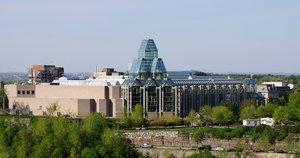 المعرض الوطني الكندي |
أوتاوا | 1 | Around and Around in the Pink |
 The Fleming Collection |
London | 1 | Flowers on a Table |
 متحف فيتزويليام |
Cambridge | 1 | Prophet in a Tree, 1963 |
اختر عقداً لعرض أشهر لوحاته.


تأتي Woman Arranging Flowers (1945) في المرتبة الأولى، تليها Untitled Abstract ثم Self Portrait with Brushes (1937).
كان عمر Alan Davie 25 عاماً: يعود تاريخ Woman Arranging Flowers إلى 1945، وقد وُلد Alan Davie في 1920.
Woman Arranging Flowers, Untitled Abstract, Self Portrait with Brushes, The Saint, Entrance to a Paradise, Jingling Space, Ram Grip, Piggy Chain, Joy Bag No. 1 و Entrance For A Red Temple No. 4. تتوفر سنة الإنتاج والمتحف لكل منها في التصنيف أعلاه.
يوجد في كتالوجنا 36 من أعمال Alan Davie، وتتراوح تواريخها من 1937 إلى 2004.
بشكل أساسي في The Pier Arts Centre (Stromness), University of Hertfordshire (North Hatley) و المعرض الوطني الاسكتلندي للفنون الحديثة (إدنبرة). راجع جدول المتاحف أعلاه للاطلاع على القائمة الكاملة.
في 1990s: 10 من أصل 36 لوحة مصنفة هنا تعود إلى تلك الفترة، بما في ذلك Hopi Studies No.32, Opus 0.1173.
الأقدم في هذه الصفحة: Self Portrait with Brushes (1937). الأحدث: Without Devices (2004).
Abstract expressionism، بناءً على اللوحات المصنفة في هذه الصفحة.
تضم The Pier Arts Centre, Stromness عدد 2 من اللوحات المدرجة هنا، بما في ذلك Symbols in a Landscape و Celtic Landscape (Dreamscape).