

Mannerist رسامون at a glance
Famous Mannerist رسامون — Top 71 List
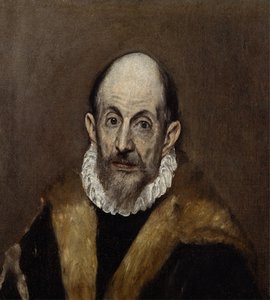
إل غريكو (1541–1614) is the most famous Mannerist رسام, best known for جنازة الكونت أورغاز و فتح الختم الخامس (رؤية القديس يوحنا اللاهوتي). Then تينتوريتو, غيسيبي أرسيمبولدو, برونزينو و صفونيسبا أنجيسولا. The list covers 71 رسامون born between 1475 and 1577 in 14 countries, from أميكو أسبرتيني to كريستوفانو ألوري.
Method. Scope: artists filed under Mannerist in our catalogue. Order: our artist fame ranking. Excluded: artists born after 1955 without a Wikidata identifier. Wikipedia figure: languages with an article, out of our 32.


Key data
Mannerist: key data
- 71الفنانون
- 1475–1577سنوات الميلاد
- 14بلدان الميلاد
- 2سيدات
- 5179الأعمال الموجودة في كتالوجنا
- المتاحف التي تضم أهم الأعمال الفنية
- متحف الفنون التاريخية (18), متحف الإرميتاج (10), مجموعات بافاريا الحكومية للرسم (8), متحف برادو (7)
- سيدات هذه القائمة
- صفونيسبا أنجيسولا, لافينيا فونتانا
Ranked list
71 Mannerist رسامون, ranked with key works


Key works · Top 100 works
 العشاء الأخير
artworks_database
/en/art/jacopo-tintoretto-the-last-supper-8Y3K2M-en/
/media/artworks/images/thumbnails/25/02/2502bd1970854e5ba0ea3fbc3890950e.jpg
جاكوبو تينتوريتو
1594
رؤية درامية للإيمان والخيانة
365 × 568 سم
العشاء الأخير
 قيامة المسيح
 المعجزة: قسطيوس مارك يحرر العبيد
- 707707 works by تينتوريتو


5/ 71
صفونيسبا أنجيسولا 1532–1625
إيطالية b. كَرِمونة عصر النهضة، المانييريزم (الأسلوب التصنعي) Wikipedia 29/32


8/ 71
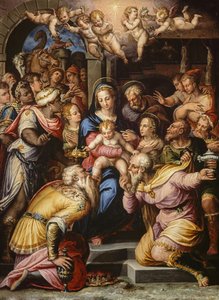
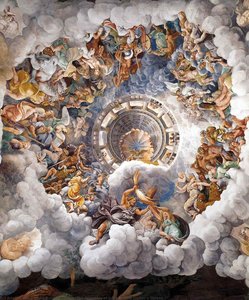
جورجو فازاري 1511–1574
b. أرِتسَة Wikipedia 31/32

Trained Jacopo Zucchi #54, Federico Zuccari #41




11/ 71
سيبستيانو ديل بيوميو 1485–1547
إيطالي b. البندقية عصر النهضة العليا، المانييريزم Wikipedia 23/32


12/ 71
هندريك غولتزيوس 1558–1617
هولندي b. براونشفايغ المانيرية الشمالية والنقش الباروكي Wikipedia 19/32


13/ 71
دومينيكو دي باتشي بيكافومي 1484–1551
الجنسية: إيطالي b. كاستيلنوفو بيراردينجا الأسلوب أو الحركة الفنية: المانييرية، عصر النهضة Wikipedia 21/32


16/ 71
لافينيا فونتانا 1552–1614
الجنسية: إيطالية b. بولونيا الأسلوب أو الحركة الفنية: المانييريزم، الباروك Wikipedia 26/32


Key works · Top 100 works
 The nativity
 Five Studies of Male Figure and two of His Right Hand and Arm (for “Madonna del Popolo”, Firenze, Galleria degli Uffizi)
 Three Studies of a Male Figure both Nude and Clothed (for “Stigmatization of Saint Francis”, Urbino, Galleria Nazionale delle Marche)
- 116116 works by فيديريكو باروتشي


29/ 71
Prospero Fontana 1512–1597
Italian b. Bologna Late Renaissance & Mannerism Wikipedia 18/32

His work also includes significant contributions to the decoration of the Santa Maria del Baraccano church in Bologna, including a captivating “Disputa di Santa Caterina.” His daughter, Lavinia Fontana, who herself became a successful painter, undoubtedly benefited from her father’s tutelage and artistic guidance.


31/ 71
فرنسيسكو بريماتيتشيو 1504–1570
Italian b. بولونيا Mannerism Wikipedia 22/32

Francesco Primaticcio stands as a towering figure of the Italian Mannerist tradition, a polymath whose creative reach extended far beyond the canvas to encompass the realms of architecture and sculpture. Born in Bologna, Italy, his artistic journey began under the rigorous guidance of Giulio Romano in Mantua, where he absorbed the complex, tension-filled aesthetics that would later define his career.


32/ 71
أوتو فان فيين 1556–1629
فلمنكي b. ليدن المانيرية Wikipedia 15/32

Trained by Federico Zuccari #41


33/ 71
لوكا كامبياسو 1527–1585
إيطالي b. مونيغيا المدرسة الجنوية، المانييريزم (الأسلوب التصنعي) Wikipedia 15/32


35/ 71
فرانشيسكو باسانو الأصغر 1549–1592
إيطالي b. باسانو ديل غرابا عصر النهضة البندقية Wikipedia 12/32


36/ 71
Hendrick De Clerck 1570–1630
Flemish Late Mannerism

Early Life & Training: De Clerck’s formative years are shrouded in obscurity, though evidence suggests he received training under Jan Brueghel the Elder, a titan of Flemish landscape painting and a pivotal influence on de Clerck's artistic approach. Collaborations with Jan Brueghel the Elder on landscapes such as “ Paradise ” further cemented De Clerck’s reputation as a visionary artist who skillfully blended tradition and innovation.


38/ 71
Perino del Vaga 1501–1547
Italian b. Florence Mannerist Painting Wikipedia 15/32

Pietro Buonaccorsi, known to history through the evocative moniker Perino del Vaga, remains one of the most captivating figures of the transition from the High Renaissance to the intricate complexities of Mannerism. Born in Florence around 1501 into a lineage of artistic talent, his very name— Vaga, meaning wandering or idle—suggests a restless creative energy that would eventually carry him far beyond the borders of his native Tuscany.


39/ 71
Stradanus 1523–1605
Flemish b. Bruges Renaissance, 16th Century Painting Wikipedia 15/32

His arrival coincided with a period of immense artistic patronage and experimentation within the court, orchestrated by Grand Duke Cosimo I de’ Medici and his advisor, Giorgio Vasari.
Trained Antonio Tempesta #56


40/ 71
جيوفاني أنطونيو دي ساكيس (إيل بوردينوني) 1484–1539
إيطالي b. بُردِنونة رسم عصر النهضة Wikipedia 16/32


41/ 71
Federico Zuccari 1539–1609
Italian b. Sant'Angelo in Vado Mannerism Wikipedia 18/32

Their collaborative spirit yielded masterpieces such as “The Holy Family ” in Palazzo Vecchio, a work that serves as a testament to their unified artistic language.


43/ 71
Cornelis Ketel 1548–1616
Dutch b. Gouda Mannerism Wikipedia 13/32

Cornelis Ketel, born in Gouda, Netherlands in 1548, occupies a fascinating, transitional space within the history of Dutch art. He spent time in Paris with Jean de la Hame, a glass-painter serving King Charles IX, before securing a position at Fontainebleau during the twilight years of the School of Fontainebleau.


44/ 71
Gillis Mostaert 1528–1598
Flemish b. Hulst Mannerism, Renaissance Wikipedia 8/32

Perhaps his most famous work, The Haywain (Allegory on Worldly and Clerical Abuses), exemplifies this inspiration.


47/ 71
Santi di Tito 1536–1603
Italian b. Florence Proto-Baroque & Counter-Maniera Wikipedia 14/32

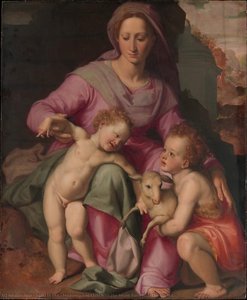
In the vibrant, shifting landscape of late 16th-century Italy, few figures played as pivotal a role in redefining the visual language of Florence as Santi di Tito. Between 1558 and 1564, di Tito’s presence was felt in the grand halls of Rome, where he worked alongside talented peers such as Giovanni de’ Vecchi and Niccolò Circignani.


49/ 71
فينتشينزو كامبي 1536–1591
إيطالي b. كَرِمونة الأسلوب الفلمنكي / الطبيعية اللومباردية Wikipedia 13/32


50/ 71
Andrea Schiavone 1522–1563
Italian b. Zadar Baroque Sculpture; Mannerism Wikipedia 14/32

In the vibrant, sun-drenched tapestry of the sixteenth-century Venetian Republic, few names evoke as much intrigue and stylistic complexity as Andrea Schiavone. Born Andrea Meldolla, his very moniker—meaning "Andrew the Slav"—serves as a poetic testament to his dual identity. Though his roots lay in the Dalmatian city of Zara, now Zadar, Croatia, his artistic spirit was forged in the heart of Venice.


51/ 71
جاكوبو ليجوزي 1547–1627
إيطالي b. فيرونا عصر النهضة المتأخر والمذهب المانييري Wikipedia 11/32


52/ 71
Bartolomeo Passarotti 1529–1592
Italian b. Bologna Mannerism Wikipedia 10/32

In the vibrant, shifting landscape of the late sixteenth century, few artists captured the transition from the structured elegance of the High Renaissance to the dramatic intensity of the Baroque as skillfully as Bartolomeo Passarotti. Born in Bologna in 1529, Passarotti emerged not merely as a painter, but as a pivotal bridge between eras.


53/ 71
Andrea Vicentino 1542–1617
Italian b. Vicenza Late Renaissance/Mannerist Wikipedia 5/32

Under the watchful eye and expert tutelage of Giovanni Battista Maganza, Vicentino developed a command over monumental compositions and refined aesthetics that would later define his career. Known variously as Andrea Michieli or Michelli, his movement toward Venice in the mid-1570s marked a transformative era in his development. By 1583, he had officially registered with the Fraglia, the prestigious Venetian guild of painters.


54/ 71
Jacopo Zucchi 1542–1596
Italian b. Florence Mannerist Painting Wikipedia 11/32

Allegorical Narrative: His masterpiece, Age of Silver, demonstrates his command over the Florentine Baroque style, weaving intricate details of justice and angelic presence into a complex tapestry of meaning.


56/ 71
Antonio Tempesta 1555–1630
Italian b. Florence Mannerism Wikipedia 11/32

Narrative Allegories: Utilizing complex symbolism to communicate religious and political themes, such as in his evocative work The Expulsion of Heliodorus from the Temple.
Trained by Stradanus #39


58/ 71
Wenzel Jamnitzer 1507–1585
German b. Vienna Northern Mannerism

Notably, he studied alongside Euclid's Elements and Plato’s Timaeus, texts considered foundational for geometric reasoning and philosophical contemplation – influences that would profoundly shape his later artistic pursuits.


59/ 71
Vincenzo Scamozzi 1548–1616
Italian b. Vicenza

Born in Vicenza, Italy, he emerged from a lineage of builders, being the son of Gian Domenico Scamozzi, a surveyor and contractor who served as his first teacher. Following Palladio's death in 1580, Scamozzi found himself entrusted with several unfinished projects, most notably the prestigious Teatro Olimpico at Vicenza.


60/ 71
Domenico Fontana 1543–1607
Italian b. Melide Late Renaissance

Domenico Fontana, a name often overshadowed by the titans of the High Renaissance, stands as a pivotal figure in 16th-century Italian architecture and engineering.


61/ 71
Jan De Beer 1475–1528
b. Antwerp Antwerp Mannerism Wikipedia 9/32

Active primarily in Antwerp, he was a central protagonist in a loose but influential group of painters known as the Antwerp Mannerists. By 1504, he had achieved the prestigious status of master within the Antwerp Guild of Saint Luke, eventually rising to the esteemed position of dean. The work of Jan De Beer is characterized by a breathtaking marriage of Northern Renaissance realism and a burgeoning sense of theatricality.


62/ 71
Marcello Venusti 1510–1579
Italian b. Mazzo di Valtellina Mannerist Wikipedia 10/32

Born near Como in the rugged terrain of Mazzo di Valtellina around 1512, Venusti emerged from the Italian foothills to become a vital conduit for the Mannerist aesthetic. This formative connection anchored him within the sophisticated stylistic currents of Rome, preparing him to translate the monumental language of the High Renaissance into the more stylized, elongated, and emotive vocabulary of Mannerism.


63/ 71
Toussaint Dubreuil 1561–1602
French b. Paris Second School Fontainebleau; Mannerism; Italian Art Influence Wikipedia 8/32

He found endless inspiration in the epic tales of Homer, the poetic explorations of Pierre de Rationale, and the dramatic narratives of Torquato Tasso.


65/ 71
Jacopino del Conte 1510–1598
Italian b. Florence Mannerist Wikipedia 10/32

The “Virgin and Child with Saint Elizabeth and John the Baptist ” (1535), now housed in the Uffizi Gallery, exemplifies this evolution, showcasing a masterful command of perspective, drapery, and emotional expression.


66/ 71
Paolo Fiammingo 1540–1596
Flemish b. Antwerp Landscape with mythological and allegorical Wikipedia 8/32

The story of Paolo Fiammingo, born Pauwels Franck, is a captivating tale of artistic migration and the seamless blending of Northern precision with Italian grandeur. Emerging from the vibrant artistic traditions of Antwerp around 1540, this master crossed the Alps to find his true calling in the shimmering atmosphere of Venice.


67/ 71
Jacques Bellange 1575–1616
French b. Bassigny Northern Mannerism Wikipedia 9/32

A master of the Northern Mannerist style, his life was lived in the twilight of the late Renaissance, a period defined by elongated forms, theatrical tension, and an almost feverish psychological intensity. Born around 1575 in the Bâse-les-Vosges region of France, Bellange emerged from a landscape of shifting borders and intense religious fervor, eventually finding his creative home within the sophisticated courtly circles of Nancy.


68/ 71
Girolamo Mazzola Bedoli 1500–1569
Italian b. Parma Mannerist Painting Wikipedia 8/32

In the vibrant, swirling currents of the Italian Mannerist period, few names capture the elegance and stylistic complexity of the Parma school quite like Girolamo Mazzola Bedoli. Born in Viadana around 1500, Bedoli emerged from a landscape deeply enriched by the artistic legacies of Lombardy and the sophisticated atmosphere of Parma.


69/ 71
Lelio Orsi 1508–1587
Italian b. Novellara Mannerist Wikipedia 7/32

In the twilight of the Italian Renaissance, as the harmonious balance of High Renaissance classicism began to fracture into the restless energy of Mannerism, there emerged a voice from the fertile plains of Emilia-Romagna that captured the profound anxieties of a changing world. Born in the small town of Novellara around 1508 or 1511, Orsi navigated an era defined by shifting theological certainties and the complex intellectual currents of humanism.


70/ 71
Michele Tosini 1503–1577
Italian b. Florence Renaissance and Mannerism Wikipedia 5/32

He was an artist who did not merely witness the transition from the High Renaissance to Mannerism but actively participated in its shaping.


71/ 71
Juan Correa De Vivar 1510–1566
Spanish b. Mascaraque Renaissance, Mannerism Wikipedia 6/32

The altarpiece for the church of Almonacid de Zorita, tragically destroyed during the Spanish Civil War in 1936-39, stands as a testament to his skill and ambition.


Best-known works
Famous Mannerist paintings by artist
Chronology
Mannerist chronology
- 1515
- 1519
- 1532
- 1540
- 1545
- 1545
- 1550
- 1555
- 1565
- 1570
- 1572
- 1585
- 1590
- 1592
Statistics
Counts by country, period and museum
| إيطاليا | 34 |
|---|---|
| Italy | 15 |
| هولندا | 3 |
| Belgium | 3 |
| ألمانيا | 2 |
| بلجيكا | 2 |
| فرنسا | 2 |
| Netherlands | 2 |
| 1470s | 2 |
|---|---|
| 1480s | 3 |
| 1490s | 5 |
| 1500s | 11 |
| 1510s | 10 |
| 1520s | 8 |
| 1530s | 7 |
| 1540s | 11 |
| 1550s | 7 |
| 1560s | 4 |
| 1570s | 3 |
| متحف الفنون التاريخية | 18 |
|---|---|
| متحف الإرميتاج | 10 |
| مجموعات بافاريا الحكومية للرسم | 8 |
| متحف برادو | 7 |
| Rijksmuseum | 6 |
| متحف المتروبوليتان للفنون | 5 |
| معرض أوفيزي | 5 |
| Gemäldegalerie | 5 |
Index
Full list of 71 famous Mannerist رسامون
- 1
 إل غريكو1541–1614
- 2
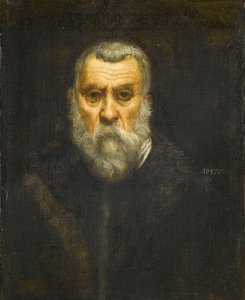 تينتوريتوإيطالي · 1519–1594
- 3
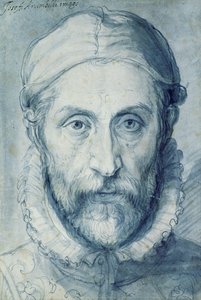 غيسيبي أرسيمبولدو1527–1593
- 4
 برونزينو1503–1572
- 5صفونيسبا أنجيسولاإيطالية · 1532–1625
- 6
 بونتورمو1494–1556
- 7
 بارميجانينو1503–1540
- 8جورجو فازاري1511–1574
- 9
 جوليو رومانو1499–1546
- 10
 روسو فيورينتينوالجنسية · 1494–1540
- 11سيبستيانو ديل بيوميوإيطالي · 1485–1547
- 12هندريك غولتزيوسهولندي · 1558–1617
- 13دومينيكو دي باتشي بيكافوميالجنسية: إيطالي · 1484–1551
- 14
 بيتر أرتسينهولندي · 1508–1575
- 15
 بارثولوميو سبرانجرفلمنكي · 1546–1611
- 16لافينيا فونتاناالجنسية: إيطالية · 1552–1614
- 17
 فيديريكو باروتشي1535–1612
- 18
 هانز فون آخنألماني · 1552–1615
- 19
 كريستوفانو ألوريإيطالي · 1577–1621
- 20
 أليساندرو ألوري1535–1607
- 21
 نيكولو ديل أباتيإيطالي · 1512–1571
- 22
 جيوفاني باتيستا موروني1525–1578
- 23
 بينفينوتو تشيليني1500–1571
- 24
 فرانشيسكو سالفياتي1510–1563
- 25
 جيامبولونيافلمنكي · 1529–1608
- 26
 كاريل فان ماندر الأكبرفلمنكي · 1548–1606
- 27
 دانييال فولتيراإيطالي · 1509–1566
- 28
 جان جوجونالجنسية · 1510–1567
- 29Prospero FontanaItalian · 1512–1597
- 30
 يواخيم وتيفيلهولندي · 1566–1638
- 31فرنسيسكو بريماتيتشيوItalian · 1504–1570
- 32أوتو فان فيينفلمنكي · 1556–1629
- 33لوكا كامبياسوإيطالي · 1527–1585
- 34
 جوزيبي تشيزاريالجنسية · 1568–1640
- 35فرانشيسكو باسانو الأصغرإيطالي · 1549–1592
- 36Hendrick De ClerckFlemish · 1570–1630
- 37
 لياندرو باسانو1557–1622
- 38Perino del VagaItalian · 1501–1547
- 39StradanusFlemish · 1523–1605
- 40جيوفاني أنطونيو دي ساكيس (إيل بوردينوني)إيطالي · 1484–1539
- 41Federico ZuccariItalian · 1539–1609
- 42
 تشيكينو ديل سالفياتيإيطالي · 1510–1563
- 43Cornelis KetelDutch · 1548–1616
- 44Gillis MostaertFlemish · 1528–1598
- 45
 فرانشيسكو باكياكاإيطالي · 1494–1557
- 46
 سيبوني بولزوني1550–1598
- 47Santi di TitoItalian · 1536–1603
- 48
 بوليدورو دا كارافاجوإيطالي · 1499–1543
- 49فينتشينزو كامبيإيطالي · 1536–1591
- 50Andrea SchiavoneItalian · 1522–1563
- 51جاكوبو ليجوزيإيطالي · 1547–1627
- 52Bartolomeo PassarottiItalian · 1529–1592
- 53Andrea VicentinoItalian · 1542–1617
- 54Jacopo ZucchiItalian · 1542–1596
- 55
 دومينيكو تينتوريتوإيطالي · 1560–1635
- 56Antonio TempestaItalian · 1555–1630
- 57
 أميكو أسبرتينيالجنسية · 1475–1552
- 58Wenzel JamnitzerGerman · 1507–1585
- 59Vincenzo ScamozziItalian · 1548–1616
- 60Domenico FontanaItalian · 1543–1607
- 61Jan De Beer1475–1528
- 62Marcello VenustiItalian · 1510–1579
- 63Toussaint DubreuilFrench · 1561–1602
- 64
 توبياس شتيمرالجنسية · 1539–1584
- 65Jacopino del ConteItalian · 1510–1598
- 66Paolo FiammingoFlemish · 1540–1596
- 67Jacques BellangeFrench · 1575–1616
- 68Girolamo Mazzola BedoliItalian · 1500–1569
- 69Lelio OrsiItalian · 1508–1587
- 70Michele TosiniItalian · 1503–1577
- 71Juan Correa De VivarSpanish · 1510–1566
FAQ
Mannerist: quick answers
Who was the greatest Mannerist رسام?
إل غريكو (#1) comes first, ahead of تينتوريتو (#2) and غيسيبي أرسيمبولدو (#3).
Which five Mannerist رسامون should everyone know?
إل غريكو (#1), تينتوريتو (#2), غيسيبي أرسيمبولدو (#3), برونزينو (#4) و صفونيسبا أنجيسولا (#5).
Which country produced the most Mannerist رسامون?
إيطاليا: 34 of the 71 رسامون in this list were born there, then Italy (15) و هولندا (3).
Which Mannerist رسامون from إيطاليا are the most famous?
The highest-ranked رسامون born in إيطاليا are تينتوريتو (#2), غيسيبي أرسيمبولدو (#3), برونزينو (#4), صفونيسبا أنجيسولا (#5) و بونتورمو (#6).
Which city produced the most Mannerist رسامون?
فلورنسا: 8 of the رسامون in this list were born there.
Where can I see Mannerist art?
The museums holding the most key works of this list are متحف الفنون التاريخية (18), متحف الإرميتاج (10) و مجموعات بافاريا الحكومية للرسم (8).
In which period did Mannerist art flourish?
Most رسامون in this list were born in the 1540s (11 of 71), between 1475 and 1577 overall.
Which women Mannerist رسامون are the most famous?
2 women are in this ranking: صفونيسبا أنجيسولا (#5) و لافينيا فونتانا (#16).
Who was the first Mannerist رسام?
The earliest-born رسام in this list is أميكو أسبرتيني (#57), born in 1475.
Which Mannerist رسامون from Italy are the most famous?
The highest-ranked رسامون born in Italy are Prospero Fontana (#29), Perino del Vaga (#38), Federico Zuccari (#41), Santi di Tito (#47) و Bartolomeo Passarotti (#52).
Which Mannerist masters trained other famous رسامون?
جورجو فازاري (#8) taught Jacopo Zucchi (#54) و Federico Zuccari (#41); Stradanus (#39) taught Antonio Tempesta (#56).
Where can I buy Mannerist art?
Our catalogue holds 5,179 works by these رسامون. Each one can be ordered as a hand-painted oil reproduction or a print.
Guides
AllPaintingsStore.com guides
Other lists
Famous artists by movement
 فنانون مشهورون من Baroqueالحارس الليلي · رامبرانت
 فنانون مشهورون من Contemporary Realistالجامعات · جان فرانسوا ميليه
 فنانون مشهورون من Impressionistليلة مرصعة بالنجوم (نيويورك، متحف الفن الحديث) · فنسنت فان خوخ
 فنانون مشهورون من Romanticistزحل وهو يلتهم ابنه · فرانثيسكو غويا
 فنانون مشهورون من NeoclassicistThe Death of Marat · جاك لوي دافيد
 فنانون مشهورون من Realistأصل العالم · غوستاف كوربيه
 فنانون مشهورون من Renaissanceالموناليزا (لا جوكوندا) · ليوناردو دا فينشي
 فنانون مشهورون من Dutch Golden Ageالفتاة ذات القرط المنصوع من اللؤلؤ · يوهانس فيرمير
 فنانون مشهورون من Expressionistتكوين السابع · فاسيلي كاندينسكي
 فنانون مشهورون من Rococoجين-أنتوان واتو
1717
الإنزال إلى سيثيرا: تحفة من أناقة الروكوكو
"الإنزال إلى سيثيرا" لجين-أنتوان واتو مثال نموذجي على أسلوب الروكوكو، حيث يلتقط روح المرح والرومانسية في القرن الثامن عشر الفرنسي. تدعو هذه اللوحة الساحرة، التي تم إنشاؤها عام 1717، المشاه · أنطوان واتو
By period
Famous artists by period
 فنانون مشهورون من Early MedievalSnowy River · وانج وي
 فنانون مشهورون من High Medievalالعذراء في العظمة (عذراء أوني سانتيني) · جوتو دي بوندوني
 فنانون مشهورون من Late Medievalالبشارة والقديسان · سيمون مارتيني
 فنانون مشهورون من Renaissanceخلق آدم · ميكيلانجيلو
 فنانون مشهورون من Early Modernنداء القديس متى · كارافاجيو
 فنانون مشهورون من 19th Centuryالزنابق المائية (أو النيمفيا) · كلود مونيه
 فنانون مشهورون من Modernغرنيكا · بابلو بيكاسو
 فنانون مشهورون من ContemporaryWind Sculpture III (one in a series of nine) · Yinka Shonibare
Related lists