

The Ukiyo-e shortlist
Famous Ukiyo-e فنانون — Top 39 List
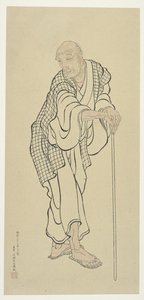
هوكوساي (1760–1849) is the most famous Ukiyo-e فنان, best known for الزوبعة العظمى قبالة كاناغاوا و فُجِي، جِبَال فِي طقسٍ مُتَنَقّح (فُجِي بِالرَّاسِخ). Then هيروشيغه, كيتاغاوا أتامارو, يوشيتوشي تسوكيوكا و توري كيوناجا. The list covers 39 فنانون born between 1618 and 1880 in 2 countries, from هيشيكاوا مورونوبو to Goyō Hashiguchi.
Method. Scope: artists filed under Ukiyo-e in our catalogue. Order: our artist fame ranking. Excluded: artists born after 1955 without a Wikidata identifier. Wikipedia figure: languages with an article, out of our 32.


Key data
Ukiyo-e: key data
- 39الفنانون
- 1618–1880سنوات الميلاد
- 2بلدان الميلاد
- 0سيدات
- 1فنانون معاصرون
- 5896الأعمال الموجودة في كتالوجنا
- المتاحف التي تضم أهم الأعمال الفنية
- Bujalance Collection (11), متحف المتروبوليتان للفنون (10), مكتبة جامعة كيو (8), متحف مينيابوليس للفنون (5)
Ranked list
39 Ukiyo-e فنانون, ranked with key works


6/ 39
أوتاغاوا كونيوشي 1798–1861
b. طوكيو Wikipedia 24/32

Trained by Utagawa Toyokuni I #13 · Trained Utagawa Yoshitora #32, Kawanabe Kyōsai #11


7/ 39
سوزوكي هارونوبو 1724–1770
ياباني b. إيدو أوكيو-إي Wikipedia 21/32

Osen (متحف التبغ والملح، سوميدا). 輿入 (متحف محافظة نارا للفنون).


9/ 39
أوتاغاوا كونيسادا 1786–1865
ياباني b. إيدو أوكييو-إيه Wikipedia 17/32

Trained by Utagawa Toyokuni I #13


11/ 39
Kawanabe Kyōsai 1831–1889
Japanese b. Koga Ukiyo-e, Caricature, Manga pioneer Wikipedia 10/32

Kawanabe Kyōsai entered the world in 1831 in Koga, born into a samurai family. This early shock preceded a formal education under the masters of the Kanō school and Utagawa Kuniyoshi. He moved to Edo, where his father joined the official firefighters of the Shogunate, and there, Kyōsai began to develop a persona that would define his career.


12/ 39
Keisai Eisen 1790–1848
Japanese b. Edo Bunsei Era Ukiyo-e Wikipedia 15/32

In the vibrant, flickering light of 19th-century Edo, few artists captured the pulse of the "floating world" with as much evocative intensity as Keisai Eisen. This shift defined the aesthetic of the Bunsei era (1818–1830), a period often characterized by its decadent and psychologically complex atmosphere. In works such as his depictions of Fukaya Station or Ageo Station, he transformed mere topographical records into cinematic snapshots of life in motion.


13/ 39
Utagawa Toyokuni I 1769–1825
Japanese b. Shiba Ukiyo-e Wikipedia 13/32

Unlike some artists blessed with immediate, innate talent, Toyokuni appears to have been a dedicated student, meticulously absorbing the techniques and aesthetics of those who preceded him.
Trained Utagawa Kunimasa #15, Utagawa Toyokuni II #35


15/ 39
Utagawa Kunimasa 1773–1810
Japanese b. Aizuwakamatsu Utagawa School

He served as a vital link in the evolution of Japanese printmaking, helping to refine the stylistic language that would later be perfected by masters like Hiroshige and Kuniyoshi.


16/ 39
Nishikawa Sukenobu 1671–1750
Japanese b. Kyoto Ukiyo-e Wikipedia 9/32

Beyond his celebrated prints, Sukenobu produced an impressive array of paintings encompassing kimono patterns, samurai portraits, illustrations of classical literature, and landscapes.


17/ 39
Sharaku
Japan ukiyo-e Wikipedia 19/32

His portraits are noted for their ability to capture the psychology of a character through heightened theatrical gestures and expressive, almost caricature-like exaggerations.


18/ 39
Utashige
Japanese Ukiyo-e

This quiet revolution – a departure from the more flamboyant styles of his predecessors – established Hiroshige as a uniquely sensitive and poetic artist, whose work continues to inspire awe and contemplation centuries later.


19/ 39
Miyagawa Chōshun 1683–1753
Japanese b. Miyagawa Ukiyo-e Wikipedia 9/32

His subjects—often the elegant courtesans of the pleasure districts—were depicted with a fuller, more voluptuous grace than the slender, stylized figures seen in the works of later artists like Harunobu.


20/ 39
Goyō Hashiguchi 1880–1921
Dutch b. Kagoshima Post-Impressionism

In 1907 he won recognition for an ukiyo-e oil painting in the first Bunten show, but felt unfulfilled by public acceptance and returned to woodblock printing.


21/ 39
Isoda Koryūsai 1735–1790
Japanese b. Tokyo Ukiyo-e Wikipedia 10/32

In the vibrant, bustling heart of the Edo period, a golden age of Japanese creativity, few names resonate with as much elegance and prolific energy as Isoda Koryūsai. Born in 1735 in the burgeoning metropolis of Tokyo—then known as Edo—Koryūsai was a man shaped by the dualities of his era.


22/ 39
Ogata Gekko 1859–1920
Japanese b. Tokyo Ukiyo-e, Nihonga Wikipedia 9/32

His most celebrated series, “One Hundred Views of Mount Fuji” (1896-1905), exemplifies his mastery.


23/ 39
كوباياشي كيوشيكا 1847–1915
ياباني b. طوكيو أوكييو-إيه، كوزين-غا Wikipedia 10/32

Trained by Kawanabe Kyōsai #11


24/ 39
Adachi Ginko ولد في 1853
Japanese Ukiyo-e
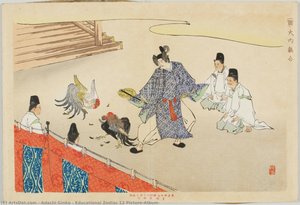
In the vibrant, transformative era of the late Meiji period, few artists captured the shifting soul of Japan as vividly as Adachi Ginkō. Born in 1853, a time when the traditional structures of the Edo period were beginning to yield to the rapid modernization of the West, Ginkō emerged as a master of the Ukiyo-e tradition.


25/ 39
Toyohara Chikanobu 1838–1912
Japanese Shin-hanga

In the twilight of the Edo period and the dawn of a modernizing Japan, few artists captured the profound tension between tradition and transformation as masterfully as Toyohara Chikanobu.


26/ 39
أوتاغاوا تويوهيرو 1773–1828
Japanese b. Toyooka Ukiyo-e Wikipedia 8/32

In the vibrant tapestry of the Edo period, few names resonate with the quiet elegance and technical mastery of Utagawa Toyohiro. Born as Okajima Tōjiro in Toyooka, Japan, this distinguished artist emerged as a pivotal figure within the renowned Utagawa school.


27/ 39
Mizuno Toshikata 1866–1908
Japanese b. Tokyo Ukiyo-e, Kuchi-e

Unlike the often-dramatic compositions favored by Yoshitoshi, Toshikata's works are imbued with an understated elegance and a profound sense of sentimentality. Several notable works by Mizuno Toshikata can be found in prestigious collections, including those at the Keio University Library and the Meiji Jingu Forest Festival of Art.


28/ 39
Ishikawa Toyonobu 1711–1785
Japanese b. Tokyo Ukiyo-e (Lacquer Print Art) Wikipedia 7/32

Among them stands Nishimura Shigenobu, also known as Ishikawa Toyonobu (1711–1785), a figure whose work embodies both the elegance and subtle sensuality characteristic of early ukiyo-e. He is often considered to have been the same person as Nishimura Shigenobu, a contemporary artist and student of Nishimura Shigenaga. Toyonobu’s artistic education began under the tutelage of Nishimura Shigenaga, a pupil of the renowned Okumura Masanobu.


29/ 39
Kogyo Sakamaki 1869–1927
Japanese Noh Theatre Prints

His prints continue to be studied by scholars and admired by collectors alike, serving as invaluable documents of Noh theatre’s cultural history and embodying the artistic ideals of the Meiji era—a testament to Sakamaki’s enduring legacy as a master of ukiyo-e and a poet of Japanese tradition.


30/ 39
Hokkei 1780–1850
b. Tokyo Wikipedia 8/32

The Tale of Genji, considered one of the greatest works of Japanese literature, depicts the complex lives and romantic entanglements within the Heian court.


31/ 39
Sadatora
Japanese b. Tokyo Ukiyo-e

Born around 1825 in the bustling metropolis of Tokyo, Sadatora was more than just a practitioner of woodblock printing; he was a poet of the atmospheric and the transient.


32/ 39
Utagawa Yoshitora

His artistic journey unfolded under several names – Ichimōsai Yoshitora, Kinchōrō Yoshitora, and Mosai Yoshitora – a practice not uncommon among ukiyo-e artists who adopted different art names throughout their careers to mark stylistic shifts or periods of production.


34/ 39
أوتاغاوا كونيسادا الثاني 1823–1880
ياباني b. طوكيو أوكييو-إيه (ياكوشا-إيه) Wikipedia 6/32

استعرض أعمال أوتاغاوا كونيسادا الثاني الفنية على AllPaintingsStore.com. استكشف متحف هوكايدو للفن الحديث (اليابان) عبر AllPaintingsStore.com. اكتشف لوحات نونياما كوزان على AllPaintingsStore.com.


35/ 39
Utagawa Toyokuni II 1777–1835
Japanese Ukiyo-e Wikipedia 4/32

Hiroshige's fame rests largely upon his monumental Tokaido series (1830–1832), a meticulously planned depiction of the 67 stations along Japan’s ancient pilgrimage route from Edo to Kyoto.
Trained by Utagawa Toyokuni I #13


36/ 39
Utagawa Yoshitaki 1841–1899
Japanese b. Osaka Ukiyo-e Wikipedia 4/32

His skillful use of shading and perspective created an illusion of depth and movement, effectively capturing the theatricality of the Kabuki stage.


37/ 39
Utagawa Kunitsuna Ii, Ichiransai, Sadashige
Japanese Ukiyo-e

Pinpointing Kunitsuna’s artistic lineage proves challenging due to the limited documentation surrounding his early career.


38/ 39
Utagawa Yoshikazu
Japanese b. Edo Ukiyo-e, Yokohama-e Wikipedia 3/32

He demonstrated a particular mastery of capturing textures and materials, from the sheen of Western fabrics to the rough surfaces of Japanese buildings. Among Yoshikazu’s most celebrated works are prints like “ American Family Print ” (1861) and “ Modern Ups and Downs Contests: Yokohama Merchants Referee (between) Entertainers and Non-workers,” which vividly portray the social dynamics of Yokohama during this period.


39/ 39
Shunkōsai Hokushū
Japanese b. Osaka Kamigata-e Wikipedia 3/32

The Osaka Style Emerges: Unlike the Edo-period’s dominant trend of producing prints in Tokyo, Hokuchō remained firmly rooted in Osaka. Osaka’s Artistic Landscape: Hokuchō's artistic output reflects Osaka’s position as a center of theatrical culture during the early 19th century.


Best-known works
Famous Ukiyo-e paintings by artist
Chronology
Ukiyo-e chronology
- 1656
- 1785
- 1790
- 1809
- 1825
- 1825
- 1827
- 1831
- 1850
- 1855
- 1857
- 1867
- 1870
- 1883
Statistics
Counts by country, period and museum
| Japan | 21 |
|---|---|
| اليابان | 15 |
| القرن 17th | 3 |
|---|---|
| القرن 18th | 17 |
| القرن 19th | 12 |
| Bujalance Collection | 11 |
|---|---|
| متحف المتروبوليتان للفنون | 10 |
| مكتبة جامعة كيو | 8 |
| متحف مينيابوليس للفنون | 5 |
| متحف إنديانابوليس للفنون | 2 |
| Hill-Stead Museum | 2 |
| متحف لوس أنجلوس الإقليمي للفنون | 2 |
| Brooklyn Museum | 2 |
Index
Full list of 39 famous Ukiyo-e فنانون
- 1
 هوكوسايياباني · 1760–1849
- 2
 هيروشيغهياباني · 1797–1858
- 3
 كيتاغاوا أتاماروياباني · 1753–1806
- 4
 يوشيتوشي تسوكيوكاياباني · 1839–1892
- 5
 توري كيوناجاياباني · 1752–1815
- 6أوتاغاوا كونيوشي1798–1861
- 7سوزوكي هارونوبوياباني · 1724–1770
- 8
 هيشيكاوا مورونوبوياباني · 1618–1694
- 9أوتاغاوا كونيساداياباني · 1786–1865
- 10
 تشوبونساي إيشيياباني · 1756–1829
- 11Kawanabe KyōsaiJapanese · 1831–1889
- 12Keisai EisenJapanese · 1790–1848
- 13Utagawa Toyokuni IJapanese · 1769–1825
- 14
 هيروشيغي الأول، أوتاغاوا وتسورويا كيمونJapanese · 1797–1858
- 15Utagawa KunimasaJapanese · 1773–1810
- 16Nishikawa SukenobuJapanese · 1671–1750
- 17SharakuJapan ·
- 18UtashigeJapanese ·
- 19Miyagawa ChōshunJapanese · 1683–1753
- 20Goyō HashiguchiDutch · 1880–1921
- 21Isoda KoryūsaiJapanese · 1735–1790
- 22Ogata GekkoJapanese · 1859–1920
- 23كوباياشي كيوشيكاياباني · 1847–1915
- 24Adachi GinkoJapanese · ولد في 1853
- 25Toyohara ChikanobuJapanese · 1838–1912
- 26أوتاغاوا تويوهيروJapanese · 1773–1828
- 27Mizuno ToshikataJapanese · 1866–1908
- 28Ishikawa ToyonobuJapanese · 1711–1785
- 29Kogyo SakamakiJapanese · 1869–1927
- 30Hokkei1780–1850
- 31SadatoraJapanese ·
- 32Utagawa Yoshitora
- 33
 تويوهارا كونيتشيكاياباني · 1835–1900
- 34أوتاغاوا كونيسادا الثانيياباني · 1823–1880
- 35Utagawa Toyokuni IIJapanese · 1777–1835
- 36Utagawa YoshitakiJapanese · 1841–1899
- 37Utagawa Kunitsuna Ii, Ichiransai, SadashigeJapanese ·
- 38Utagawa YoshikazuJapanese ·
- 39Shunkōsai HokushūJapanese ·
FAQ
Ukiyo-e: quick answers
Who was the greatest Ukiyo-e فنان?
هوكوساي (#1) comes first, ahead of هيروشيغه (#2) and كيتاغاوا أتامارو (#3).
Which five Ukiyo-e فنانون should everyone know?
هوكوساي (#1), هيروشيغه (#2), كيتاغاوا أتامارو (#3), يوشيتوشي تسوكيوكا (#4) و توري كيوناجا (#5).
In which period did Ukiyo-e art flourish?
Most فنانون in this list were born in the القرن 18th (17 of 39), between 1618 and 1880 overall.
Which Ukiyo-e masters trained other famous فنانون?
أوتاغاوا كونيوشي (#6) taught Utagawa Yoshitora (#32) و Kawanabe Kyōsai (#11); Utagawa Toyokuni I (#13) taught Utagawa Kunimasa (#15) و Utagawa Toyokuni II (#35).
Who are the most famous living Ukiyo-e فنانون?
The highest-ranked living فنانون in this list are Adachi Ginko (#24).
Who was the first Ukiyo-e فنان?
The earliest-born فنان in this list is هيشيكاوا مورونوبو (#8), born in 1618.
Where can I see Ukiyo-e art?
The museums holding the most key works of this list are Bujalance Collection (11), متحف المتروبوليتان للفنون (10) و مكتبة جامعة كيو (8).
Which country produced the most Ukiyo-e فنانون?
Japan: 21 of the 39 فنانون in this list were born there, then اليابان (15).
Which techniques define Ukiyo-e art?
“While he mastered the precise brushwork required by tradition, his spirit gravitated toward the more liberated styles of the popular schools.” — from our biography of Kawanabe Kyōsai (#11).
Which Ukiyo-e فنانون from اليابان are the most famous?
The highest-ranked فنانون born in اليابان are هوكوساي (#1), هيروشيغه (#2), كيتاغاوا أتامارو (#3), يوشيتوشي تسوكيوكا (#4) و توري كيوناجا (#5).
Which city produced the most Ukiyo-e فنانون?
طوكيو: 6 of the فنانون in this list were born there.
Where can I buy Ukiyo-e art?
Our catalogue holds 5,896 works by these فنانون. Each one can be ordered as a hand-painted oil reproduction or a print.
Guides
AllPaintingsStore.com guides
Other lists
Famous artists by movement
 فنانون مشهورون من Baroqueالحارس الليلي · رامبرانت
 فنانون مشهورون من Contemporary Realistالجامعات · جان فرانسوا ميليه
 فنانون مشهورون من Impressionistليلة مرصعة بالنجوم (نيويورك، متحف الفن الحديث) · فنسنت فان خوخ
 فنانون مشهورون من Romanticistزحل وهو يلتهم ابنه · فرانثيسكو غويا
 فنانون مشهورون من NeoclassicistThe Death of Marat · جاك لوي دافيد
 فنانون مشهورون من Realistأصل العالم · غوستاف كوربيه
 فنانون مشهورون من Renaissanceالموناليزا (لا جوكوندا) · ليوناردو دا فينشي
 فنانون مشهورون من Dutch Golden Ageالفتاة ذات القرط المنصوع من اللؤلؤ · يوهانس فيرمير
 فنانون مشهورون من Expressionistتكوين السابع · فاسيلي كاندينسكي
 فنانون مشهورون من Rococoجين-أنتوان واتو
1717
الإنزال إلى سيثيرا: تحفة من أناقة الروكوكو
"الإنزال إلى سيثيرا" لجين-أنتوان واتو مثال نموذجي على أسلوب الروكوكو، حيث يلتقط روح المرح والرومانسية في القرن الثامن عشر الفرنسي. تدعو هذه اللوحة الساحرة، التي تم إنشاؤها عام 1717، المشاه · أنطوان واتو
By period
Famous artists by period
 فنانون مشهورون من Early MedievalSnowy River · وانج وي
 فنانون مشهورون من High Medievalالعذراء في العظمة (عذراء أوني سانتيني) · جوتو دي بوندوني
 فنانون مشهورون من Late Medievalالبشارة والقديسان · سيمون مارتيني
 فنانون مشهورون من Renaissanceخلق آدم · ميكيلانجيلو
 فنانون مشهورون من Early Modernنداء القديس متى · كارافاجيو
 فنانون مشهورون من 19th Centuryالزنابق المائية (أو النيمفيا) · كلود مونيه
 فنانون مشهورون من Modernغرنيكا · بابلو بيكاسو
 فنانون مشهورون من ContemporaryWind Sculpture III (one in a series of nine) · Yinka Shonibare
Related lists