

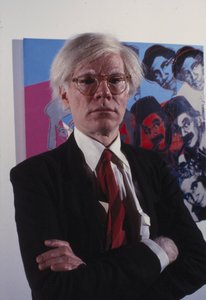
1981. Акрил върху платно.

§ 1Каталожни данни


Това произведение е защитено от авторско право
Изкуството, представено на тази страница, е защитено от законите за авторско право, което означава, че не можем законно да създаваме или продаваме идентични репродукции. Тази защита се прилага съгласно международни споразумения като Бернска конвенция и от националното законодателство, включително разпоредбите на Закон за авторското право на САЩ – Раздел 17.
Като уважителна и законна алтернатива, ние предлагаме изработени по поръчка, ръчно рисувани произведения на изкуството, вдъхновени от оригинала. Нашите умени и професионални артисти внимателно изучават стила, настроението и артистичната същност на оригиналното произведение, за да създадат ново, уникално творческо произведение, което предизвиква същото чувство – оставайки в същото време самостоятелно оригинално творение.
Този метод е напълно съвместим с законите за авторско право, тъй като не включва копиране или дублиране на защитеното произведение. Вместо това става въпрос за творческа реинтерпретация – нова картина, която е вдъхновена от оригинала, но не е идентична с него.
 Прочетете повече
§ 2Абстракция
Описание на колекционерския предмет
Открийте Сянката (1981) на Анди Уорхол – впечатляващ селфи-принт от серията Myths. Завладяващо изследване на идентичността и славата.
Биография на художника
Иконичен Поп Арт от Анди Уорхол (1928-1987): Сикленски отпечатъци на Мерилин Монро и Кампанълс Супи. Открийте неговото трайно влияние върху изкуството и културата.
§ 3Коментар
A Shadow of Self: Decoding Andy Warhol’s Enigmatic Portrait
Andy Warhol, a name synonymous with Pop Art's vibrant explosion onto the 20th-century art scene, often explored the superficiality and manufactured personas of fame. However, beneath the brightly colored silkscreens of celebrities and consumer goods lay a profound fascination with identity, perception, and the hidden depths within us all. “The Shadow,” created in 1981, offers a compelling glimpse into this more introspective side of Warhol’s artistic vision. Far removed from the bold commercial aesthetic he pioneered, this work is a study in contrasts – light and darkness, self and other – rendered with a haunting simplicity that lingers long after viewing.
Myths and Mirrors: Contextualizing “The Shadow”
“The Shadow” emerges from Warhol’s “Myths” series of 1981, a portfolio of screenprints depicting iconic figures drawn from American folklore, popular culture, and even the artist's own imagination. Alongside Superman, Mickey Mouse, and Dracula, Warhol chose to represent ‘The Shadow,’ a mysterious radio hero who captivated audiences during the 1930s and 40s. This wasn’t merely an exercise in nostalgia; it was a deliberate exploration of archetypes and the power of constructed identities. The choice to *become* The Shadow – using his own likeness as the subject – is particularly striking. Warhol doesn't present us with a heroic depiction, but rather a fragmented self-portrait, bathed in dramatic lighting that emphasizes the duality inherent in human nature. It’s a fascinating intersection of personal and cultural iconography.
Technique and Texture: A Study in Contrast
The screenprint technique itself is crucial to understanding “The Shadow.” Warhol's masterful use of color – or rather, the deliberate limitation of it – creates a stark visual impact. The artist’s face is rendered in washes of deep red, suggesting passion, vitality, but also perhaps danger or even violence. This vibrant hue sharply contrasts with the cool blue of the shadow itself, creating a sense of unease and psychological distance. The addition of diamond dust to the surface adds a subtle shimmer, hinting at the artificiality and glamour often associated with celebrity culture – a recurring theme in Warhol’s work. The composition is deliberately simple, focusing on the stark profile and elongated shadow, forcing the viewer to confront the unsettling ambiguity of the image. It's not about precise representation; it’s about evoking a feeling, a mood, an internal struggle.
The Emotional Resonance: Introspection and Identity
“The Shadow” is more than just a portrait; it’s a psychological exploration of the self. The shadowy figure looming behind Warhol's face can be interpreted in numerous ways – as a representation of his hidden desires, his anxieties, or even the darker aspects of his personality. It speaks to the universal human experience of grappling with our own inner demons and the masks we wear to navigate the world. The work invites introspection, prompting viewers to consider their own shadows—the parts of themselves they conceal from others, and perhaps even from themselves. In a career often defined by surface appearances, “The Shadow” reveals a rare moment of vulnerability and self-examination from one of the most iconic artists of the 20th century.
Въпроси и отговори
Как се вписва „Сянката“ в останалата творческа дейност на Анди Уорхол?
"Сянката" споделя със другите творби на Анди Уорхол своя Поп арт стил и заложените теми: култура на известните, архетипи, психологически дуализми, наследството на уорхол, фолклорни образи.
Кои цветове доминират в „Сянката“ на Анди Уорхол?
Цветовата идентичност на „Сянката“ на Анди Уорхол: палитра от Земни тонове, доминирана от Фталозелено (#211b15).
Какъв вид произведение на изкуството е „Сянката“ на Анди Уорхол?
В каталога „Сянката“ на Анди Уорхол е класифициран като Стенно изкуство. Тази категория помага за намирането на подобни творби.


 Превключване към принт


 За произведения на изкуството или репродукции, чийто размер е над 105 см (приблизително 41 инча) във всяка страна, рамката ще бъде изпратена в разглобен вид като комплект за сглобяване. Този метод гарантира безопасна доставка и предотвратява повреди по време на транспортиране.


