

Mannerist художници at a glance
Famous Mannerist Художници — Top 71 List
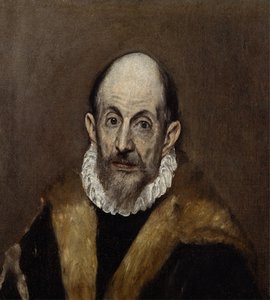
Ел Греко (1541–1614) is the most famous Mannerist художник, best known for Погребението на граф Оргаз и Отваряне на петата печат (Видението на Свети Йоан Богослов). Then Тинторето, Джузепе Арчимболдо, Аньоло Брондзино и Софонизба Ангуисола. The list covers 71 художници born between 1475 and 1577 in 14 countries, from Амико Аспертини to Кристофано Алори.
Method. Scope: artists filed under Mannerist in our catalogue. Order: our artist fame ranking. Excluded: artists born after 1955 without a Wikidata identifier. Wikipedia figure: languages with an article, out of our 32.


Key data
Mannerist: key data
- 71Художници
- 1475–1577Години на раждане
- 14Страни на раждане
- 2Жени
- 5179Работи в нашия каталог
- Музеи, притежаващи най-голям брой ключови произведения
- Kunsthistorisches Museum (21), Държавен музей „Ермитаж“ (10), Музей Прадо (8), Баварски държавни списъци с произведения на изкуството (7)
- Жените в този списък
- Софонизба Ангуисола, Лавиния Фонтана
Ranked list
71 Mannerist Художници, ranked with key works


4/ 71
Аньоло Брондзино 1503–1572
Италиански b. Флоренция Мannerism Wikipedia 29/32

Bronzino’s formative years were marked by exposure to the artistic currents of Florence under Pontormo's guidance.


8/ 71
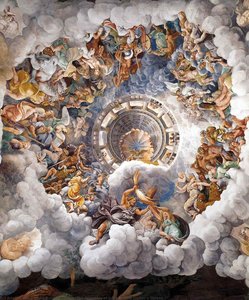
Джорджо Вазари 1511–1574
Италианец b. Арецо Ренесансова школа Wikipedia 31/32

Writing: Lives of the Most Excellent Painters, Sculptors, and Architects (1550, 1568).
Trained Jacopo Zucchi #54, Federico Zuccari #41




12/ 71
Хендрик Голтциус 1558–1617
Нюландски b. Брауншвейг Северен маниеризъм & Барок Wikipedia 19/32

Hendrik Goltzius, a name synonymous with the vibrant dynamism of Northern Mannerism in Dutch art, was born in 1558 in Mulebrecht, a small village nestled within the Duchy of Jülich (now part of Germany).


13/ 71
Доменико Бекафуми 1484–1551
Italian b. Кастелнуово Берарденга Mannerism Wikipedia 21/32

Born around 1486 in Montaperto, a humble Tuscan village near Siena, his artistic journey unfolded with remarkable dynamism, culminating in a style that bridged the High Renaissance and the burgeoning complexities of Mannerism.


17/ 71
Федерико Барочи 1535–1612
b. Урбино Wikipedia 24/32

“Пет скици на мъжка фигура и две на дясната му ръка и рамо” (Галерия Уфици, Флоренция) са ярък пример за способността му да улавя човешката форма с невероятна прецизност и реализъм. “Композиционен ескиз” (за “Обрязването”, Лувър, Париж) демонстрира неговия усет към баланса на композицията и изразяването на емоции.
Key works · Top 100 works


20/ 71
Алесандро Алори 1535–1607
Италианец b. Флоренция Манеризъм Wikipedia 24/32

Jerome" фреска допълнително демонстрира умението му за повествователно изкуство и илюзорно пространство.




29/ 71
Проспереро Фонтана 1512–1597
Италианец b. Болоня Позден Ренесанс и Маниеризъм Wikipedia 18/32


31/ 71
Франческо Приматичо 1504–1570
Italian b. Болоня Mannerism Wikipedia 22/32

Francesco Primaticcio stands as a towering figure of the Italian Mannerist tradition, a polymath whose creative reach extended far beyond the canvas to encompass the realms of architecture and sculpture. Born in Bologna, Italy, his artistic journey began under the rigorous guidance of Giulio Romano in Mantua, where he absorbed the complex, tension-filled aesthetics that would later define his career.


32/ 71
Ото ван Вийн 1556–1629
Фламен b. Лайден Манеризъм Wikipedia 15/32

His subsequent journey to Rome around 1574 or 1575 proved pivotal; immersing himself in the heart of the Italian Renaissance, he absorbed the stylistic nuances that would define his mature work—the elegance, the refined compositions, and the emphasis on idealized forms characteristic of Mannerism. His talent secured him a position as court painter to Alexander Farnese, Duke of Parma, governor of the Southern Netherlands, in Brussels.
Trained by Federico Zuccari #41


35/ 71
Франческо Басано Младият 1549–1592
Италианец b. Басано дел Грапа Венецианско Ренесанс Wikipedia 12/32


36/ 71
Hendrick De Clerck 1570–1630
Flemish Late Mannerism

Early Life & Training: De Clerck’s formative years are shrouded in obscurity, though evidence suggests he received training under Jan Brueghel the Elder, a titan of Flemish landscape painting and a pivotal influence on de Clerck's artistic approach. Collaborations with Jan Brueghel the Elder on landscapes such as “ Paradise ” further cemented De Clerck’s reputation as a visionary artist who skillfully blended tradition and innovation.


38/ 71
Perino del Vaga 1501–1547
Italian b. Florence Mannerist Painting Wikipedia 15/32

Pietro Buonaccorsi, known to history through the evocative moniker Perino del Vaga, remains one of the most captivating figures of the transition from the High Renaissance to the intricate complexities of Mannerism. Born in Florence around 1501 into a lineage of artistic talent, his very name— Vaga, meaning wandering or idle—suggests a restless creative energy that would eventually carry him far beyond the borders of his native Tuscany.


39/ 71
Stradanus 1523–1605
Flemish b. Bruges Renaissance, 16th Century Painting Wikipedia 15/32

His arrival coincided with a period of immense artistic patronage and experimentation within the court, orchestrated by Grand Duke Cosimo I de’ Medici and his advisor, Giorgio Vasari.
Trained Antonio Tempesta #56


40/ 71
Джовани Антонио Де Сакис (Ил Порденоне) 1484–1539
Италиенец b. Порденоне Ренесансова живопис Wikipedia 16/32


41/ 71
Federico Zuccari 1539–1609
Italian b. Sant'Angelo in Vado Mannerism Wikipedia 18/32

Their collaborative spirit yielded masterpieces such as “The Holy Family ” in Palazzo Vecchio, a work that serves as a testament to their unified artistic language.


43/ 71
Cornelis Ketel 1548–1616
Dutch b. Gouda Mannerism Wikipedia 13/32

Cornelis Ketel, born in Gouda, Netherlands in 1548, occupies a fascinating, transitional space within the history of Dutch art. He spent time in Paris with Jean de la Hame, a glass-painter serving King Charles IX, before securing a position at Fontainebleau during the twilight years of the School of Fontainebleau.


44/ 71
Gillis Mostaert 1528–1598
Flemish b. Hulst Mannerism, Renaissance Wikipedia 8/32

Perhaps his most famous work, The Haywain (Allegory on Worldly and Clerical Abuses), exemplifies this inspiration.


45/ 71
Франческо Бакиака 1494–1557
Италианец b. Флоренция Флорентински маньеризъм Wikipedia 11/32

He frequently incorporated elements from contemporary prints – particularly Venetian scenes – into his paintings, reflecting the artistic exchange that characterized Renaissance Florence. His " Madonna and Child " is held by the Metropolitan Museum of Art in New York, a painting that exemplifies his ability to infuse religious subjects with intense emotion and psychological depth.


47/ 71
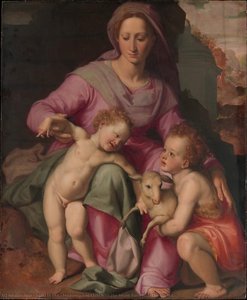
Santi di Tito 1536–1603
Italian b. Florence Proto-Baroque & Counter-Maniera Wikipedia 14/32

In the vibrant, shifting landscape of late 16th-century Italy, few figures played as pivotal a role in redefining the visual language of Florence as Santi di Tito. Between 1558 and 1564, di Tito’s presence was felt in the grand halls of Rome, where he worked alongside talented peers such as Giovanni de’ Vecchi and Niccolò Circignani.


49/ 71
Винченцо Кампи 1536–1591
Италианска b. Кремона Фламандски стил / Ломбардски натурализъм Wikipedia 13/32


50/ 71
Andrea Schiavone 1522–1563
Italian b. Zadar Baroque Sculpture; Mannerism Wikipedia 14/32

In the vibrant, sun-drenched tapestry of the sixteenth-century Venetian Republic, few names evoke as much intrigue and stylistic complexity as Andrea Schiavone. Born Andrea Meldolla, his very moniker—meaning "Andrew the Slav"—serves as a poetic testament to his dual identity. Though his roots lay in the Dalmatian city of Zara, now Zadar, Croatia, his artistic spirit was forged in the heart of Venice.


52/ 71
Bartolomeo Passarotti 1529–1592
Italian b. Bologna Mannerism Wikipedia 10/32

In the vibrant, shifting landscape of the late sixteenth century, few artists captured the transition from the structured elegance of the High Renaissance to the dramatic intensity of the Baroque as skillfully as Bartolomeo Passarotti. Born in Bologna in 1529, Passarotti emerged not merely as a painter, but as a pivotal bridge between eras.


53/ 71
Andrea Vicentino 1542–1617
Italian b. Vicenza Late Renaissance/Mannerist Wikipedia 5/32

Under the watchful eye and expert tutelage of Giovanni Battista Maganza, Vicentino developed a command over monumental compositions and refined aesthetics that would later define his career. Known variously as Andrea Michieli or Michelli, his movement toward Venice in the mid-1570s marked a transformative era in his development. By 1583, he had officially registered with the Fraglia, the prestigious Venetian guild of painters.


54/ 71
Jacopo Zucchi 1542–1596
Italian b. Florence Mannerist Painting Wikipedia 11/32

Allegorical Narrative: His masterpiece, Age of Silver, demonstrates his command over the Florentine Baroque style, weaving intricate details of justice and angelic presence into a complex tapestry of meaning.


56/ 71
Antonio Tempesta 1555–1630
Italian b. Florence Mannerism Wikipedia 11/32

Narrative Allegories: Utilizing complex symbolism to communicate religious and political themes, such as in his evocative work The Expulsion of Heliodorus from the Temple.
Trained by Stradanus #39


58/ 71
Wenzel Jamnitzer 1507–1585
German b. Vienna Northern Mannerism

Notably, he studied alongside Euclid's Elements and Plato’s Timaeus, texts considered foundational for geometric reasoning and philosophical contemplation – influences that would profoundly shape his later artistic pursuits.


59/ 71
Vincenzo Scamozzi 1548–1616
Italian b. Vicenza

Born in Vicenza, Italy, he emerged from a lineage of builders, being the son of Gian Domenico Scamozzi, a surveyor and contractor who served as his first teacher. Following Palladio's death in 1580, Scamozzi found himself entrusted with several unfinished projects, most notably the prestigious Teatro Olimpico at Vicenza.


60/ 71
Domenico Fontana 1543–1607
Italian b. Melide Late Renaissance

Domenico Fontana, a name often overshadowed by the titans of the High Renaissance, stands as a pivotal figure in 16th-century Italian architecture and engineering.


61/ 71
Jan De Beer 1475–1528
b. Antwerp Antwerp Mannerism Wikipedia 9/32

Active primarily in Antwerp, he was a central protagonist in a loose but influential group of painters known as the Antwerp Mannerists. By 1504, he had achieved the prestigious status of master within the Antwerp Guild of Saint Luke, eventually rising to the esteemed position of dean. The work of Jan De Beer is characterized by a breathtaking marriage of Northern Renaissance realism and a burgeoning sense of theatricality.


62/ 71
Marcello Venusti 1510–1579
Italian b. Mazzo di Valtellina Mannerist Wikipedia 10/32

Born near Como in the rugged terrain of Mazzo di Valtellina around 1512, Venusti emerged from the Italian foothills to become a vital conduit for the Mannerist aesthetic. This formative connection anchored him within the sophisticated stylistic currents of Rome, preparing him to translate the monumental language of the High Renaissance into the more stylized, elongated, and emotive vocabulary of Mannerism.


63/ 71
Тъсьо Добреуил 1561–1602
Френски b. Париж Втора школа на Фонтенблейс; Манеризъм; Италианско изкуство Wikipedia 8/32

Toussaint Dubreuil (c. 1561 – 1602), a French painter born in Paris, stands as a pivotal figure within the Second School of Fontainebleau—a movement that skillfully blended the stylistic grandeur of Mannerism with the vibrant aesthetics of Italian Renaissance art.


65/ 71
Jacopino del Conte 1510–1598
Italian b. Florence Mannerist Wikipedia 10/32

The “Virgin and Child with Saint Elizabeth and John the Baptist ” (1535), now housed in the Uffizi Gallery, exemplifies this evolution, showcasing a masterful command of perspective, drapery, and emotional expression.


66/ 71
Paolo Fiammingo 1540–1596
Flemish b. Antwerp Landscape with mythological and allegorical Wikipedia 8/32

The story of Paolo Fiammingo, born Pauwels Franck, is a captivating tale of artistic migration and the seamless blending of Northern precision with Italian grandeur. Emerging from the vibrant artistic traditions of Antwerp around 1540, this master crossed the Alps to find his true calling in the shimmering atmosphere of Venice.


67/ 71
Jacques Bellange 1575–1616
French b. Bassigny Northern Mannerism Wikipedia 9/32

A master of the Northern Mannerist style, his life was lived in the twilight of the late Renaissance, a period defined by elongated forms, theatrical tension, and an almost feverish psychological intensity. Born around 1575 in the Bâse-les-Vosges region of France, Bellange emerged from a landscape of shifting borders and intense religious fervor, eventually finding his creative home within the sophisticated courtly circles of Nancy.


68/ 71
Girolamo Mazzola Bedoli 1500–1569
Italian b. Parma Mannerist Painting Wikipedia 8/32

In the vibrant, swirling currents of the Italian Mannerist period, few names capture the elegance and stylistic complexity of the Parma school quite like Girolamo Mazzola Bedoli. Born in Viadana around 1500, Bedoli emerged from a landscape deeply enriched by the artistic legacies of Lombardy and the sophisticated atmosphere of Parma.


69/ 71
Lelio Orsi 1508–1587
Italian b. Novellara Mannerist Wikipedia 7/32

In the twilight of the Italian Renaissance, as the harmonious balance of High Renaissance classicism began to fracture into the restless energy of Mannerism, there emerged a voice from the fertile plains of Emilia-Romagna that captured the profound anxieties of a changing world. Born in the small town of Novellara around 1508 or 1511, Orsi navigated an era defined by shifting theological certainties and the complex intellectual currents of humanism.


70/ 71
Michele Tosini 1503–1577
Italian b. Florence Renaissance and Mannerism Wikipedia 5/32

He was an artist who did not merely witness the transition from the High Renaissance to Mannerism but actively participated in its shaping.


71/ 71
Juan Correa De Vivar 1510–1566
Spanish b. Mascaraque Renaissance, Mannerism Wikipedia 6/32

The altarpiece for the church of Almonacid de Zorita, tragically destroyed during the Spanish Civil War in 1936-39, stands as a testament to his skill and ambition.


Best-known works
Famous Mannerist paintings by artist
Chronology
Mannerist chronology
- 1517
- 1528
- 1532
- 1540
- 1545
- 1549
- 1554
- 1555
- 1565
- 1577
- 1586
- 1590
- 1592
- 1595
Statistics
Counts by country, period and museum
| Италия | 35 |
|---|---|
| Italy | 14 |
| Нидерландия | 3 |
| Франция | 3 |
| Belgium | 3 |
| Германия | 2 |
| Белгия | 2 |
| Netherlands | 2 |
| 1470s | 2 |
|---|---|
| 1480s | 3 |
| 1490s | 5 |
| 1500s | 11 |
| 1510s | 10 |
| 1520s | 8 |
| 1530s | 7 |
| 1540s | 11 |
| 1550s | 7 |
| 1560s | 4 |
| 1570s | 3 |
| Kunsthistorisches Museum | 21 |
|---|---|
| Държавен музей „Ермитаж“ | 10 |
| Музей Прадо | 8 |
| Баварски държавни списъци с произведения на изкуството | 7 |
| Национална галерия | 6 |
| Rijksmuseum | 6 |
| Метрополитън Музей на изкуствата | 5 |
| Gemäldegalerie | 5 |
Index
Full list of 71 famous Mannerist художници
- 1
 Ел ГрекоГръцки-Испански · 1541–1614
- 2
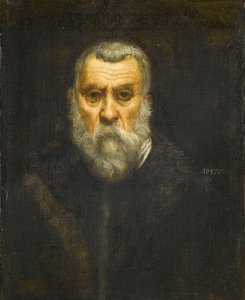 ТинторетоИталианец · 1519–1594
- 3
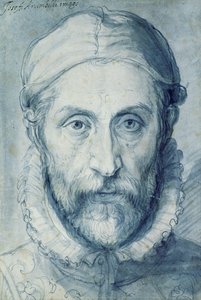 Джузепе АрчимболдоИталианец · 1527–1593
- 4Аньоло БрондзиноИталиански · 1503–1572
- 5
 Софонизба АнгуисолаИталиански · 1532–1625
- 6
 ПонтормоИталианец · 1494–1556
- 7
 Пармиджанино1503–1540
- 8Джорджо ВазариИталианец · 1511–1574
- 9
 Джюлио РоманоИталианец · 1499–1546
- 10
 Росо ФиorentinoИталиенец · 1494–1540
- 11
 Себастиано дел ПиомбоИталианец · 1485–1547
- 12Хендрик ГолтциусНюландски · 1558–1617
- 13Доменико БекафумиItalian · 1484–1551
- 14
 Питер АертсенНидерландски · 1508–1575
- 15
 Бартоломеус СпрангерФламандска · 1546–1611
- 16
 Лавиния ФонтанаИталианка · 1552–1614
- 17Федерико Барочи1535–1612
- 18
 Ханс Фон АахенГерманец · 1552–1615
- 19
 Кристофано АлориИталианец · 1577–1621
- 20Алесандро АлориИталианец · 1535–1607
- 21
 Николо Дел АббатеИталианец · 1512–1571
- 22
 Джовани Батиста Морони1525–1578
- 23
 Бенвентуто Челлини1500–1571
- 24
 Франческо СалвиатиИталиански · 1510–1563
- 25
 ДжамболоняФламандски · 1529–1608
- 26
 Карел Ван Мандър СтаршиФламандска · 1548–1606
- 27
 Даниеле Да ВолтераИталиенец · 1509–1566
- 28
 Жан ГожонФренска · 1510–1567
- 29Проспереро ФонтанаИталианец · 1512–1597
- 30
 Йоахим ВтевеелНидерландска · 1566–1638
- 31Франческо ПриматичоItalian · 1504–1570
- 32Ото ван ВийнФламен · 1556–1629
- 33
 Лука КамбиасоИталиенец · 1527–1585
- 34
 Джузепе ЧезариИталианска · 1568–1640
- 35Франческо Басано МладиятИталианец · 1549–1592
- 36Hendrick De ClerckFlemish · 1570–1630
- 37
 Леандро БасаноИталиански · 1557–1622
- 38Perino del VagaItalian · 1501–1547
- 39StradanusFlemish · 1523–1605
- 40Джовани Антонио Де Сакис (Ил Порденоне)Италиенец · 1484–1539
- 41Federico ZuccariItalian · 1539–1609
- 42
 Чекино Дел СавиатиИталианска · 1510–1563
- 43Cornelis KetelDutch · 1548–1616
- 44Gillis MostaertFlemish · 1528–1598
- 45Франческо БакиакаИталианец · 1494–1557
- 46
 Скипионе Пулцоне1550–1598
- 47Santi di TitoItalian · 1536–1603
- 48
 Полидоро Да КараваджоИталианец · 1499–1543
- 49Винченцо КампиИталианска · 1536–1591
- 50Andrea SchiavoneItalian · 1522–1563
- 51
 Джакопо ЛигоциИталиенец · 1547–1627
- 52Bartolomeo PassarottiItalian · 1529–1592
- 53Andrea VicentinoItalian · 1542–1617
- 54Jacopo ZucchiItalian · 1542–1596
- 55
 Доменико ТинторетоИталианец · 1560–1635
- 56Antonio TempestaItalian · 1555–1630
- 57
 Амико АспертиниИталианска · 1475–1552
- 58Wenzel JamnitzerGerman · 1507–1585
- 59Vincenzo ScamozziItalian · 1548–1616
- 60Domenico FontanaItalian · 1543–1607
- 61Jan De Beer1475–1528
- 62Marcello VenustiItalian · 1510–1579
- 63Тъсьо ДобреуилФренски · 1561–1602
- 64
 Тобиас ШтимерSwiss · 1539–1584
- 65Jacopino del ConteItalian · 1510–1598
- 66Paolo FiammingoFlemish · 1540–1596
- 67Jacques BellangeFrench · 1575–1616
- 68Girolamo Mazzola BedoliItalian · 1500–1569
- 69Lelio OrsiItalian · 1508–1587
- 70Michele TosiniItalian · 1503–1577
- 71Juan Correa De VivarSpanish · 1510–1566
FAQ
Mannerist: quick answers
Who was the greatest Mannerist художник?
Ел Греко (#1) comes first, ahead of Тинторето (#2) and Джузепе Арчимболдо (#3).
Which five Mannerist художници should everyone know?
Ел Греко (#1), Тинторето (#2), Джузепе Арчимболдо (#3), Аньоло Брондзино (#4) и Софонизба Ангуисола (#5).
Which country produced the most Mannerist художници?
Италия: 35 of the 71 художници in this list were born there, then Italy (14) и Нидерландия (3).
Which Mannerist художници from Италия are the most famous?
The highest-ranked художници born in Италия are Тинторето (#2), Джузепе Арчимболдо (#3), Аньоло Брондзино (#4), Софонизба Ангуисола (#5) и Понтормо (#6).
Which city produced the most Mannerist художници?
Флоренция: 8 of the художници in this list were born there.
Where can I see Mannerist art?
The museums holding the most key works of this list are Kunsthistorisches Museum (21), Държавен музей „Ермитаж“ (10) и Музей Прадо (8).
Who was the first Mannerist художник?
The earliest-born художник in this list is Амико Аспертини (#57), born in 1475.
Which techniques define Mannerist art?
“Simultaneously, he absorbed lessons from Andrea del Sarto, mastering the techniques of sfumato and chiaroscuro—methods pioneered by Leonardo da Vinci—which would become hallmarks of his later work.” — from our biography of Аньоло Брондзино (#4).
Which women Mannerist художници are the most famous?
2 women are in this ranking: Софонизба Ангуисола (#5) и Лавиния Фонтана (#16).
In which period did Mannerist art flourish?
Most художници in this list were born in the 1540s (11 of 71), between 1475 and 1577 overall.
Which Mannerist художници from Italy are the most famous?
The highest-ranked художници born in Italy are Perino del Vaga (#38), Federico Zuccari (#41), Santi di Tito (#47), Bartolomeo Passarotti (#52) и Andrea Vicentino (#53).
Where can I buy Mannerist art?
Our catalogue holds 5,179 works by these художници. Each one can be ordered as a hand-painted oil reproduction or a print.
Guides
AllPaintingsStore.com guides
Other lists
Famous artists by movement
 Знаменити художници от BaroqueНощна стража · Рембранд ван Рейн
 Знаменити художници от Contemporary RealistКосачките · Жан-Франсоа Миле
 Знаменити художници от ImpressionistЗвездна нощ (Ню Йорк, MoMA) · Винсент Ван Гог
 Знаменити художници от RomanticistСатурн поглъщащ сина си · Франсиско Гоя
 Знаменити художници от NeoclassicistСмъртта на Марат · Жак-Луи Давид
 Знаменити художници от RealistПроизход на света · Гюстав Курбе
 Знаменити художници от RenaissanceМона Лиза (Ла Джоконда) · Леонардо Да Винчи
 Знаменити художници от Dutch Golden AgeМомичето с перлена обица · Йоханес Вермер
 Знаменити художници от ExpressionistКомпозиция VII · Василий Кандински
 Знаменити художници от RococoОтплаване към Китера · Антоан Вато
By period
Famous artists by period
 Знаменити художници от Early MedievalSnowy River · Уан Вей
 Знаменити художници от High MedievalMadonna in Maest (Ognissanti Madonna) · Джото
 Знаменити художници от Late MedievalБлаговещението и двама светили · Симоне Мартини
 Знаменити художници от RenaissanceСътворението на Адам · Микеланджело Буонароти
 Знаменити художници от Early ModernПовикаването на Свети Матей · Микеланджело да Караваджо
 Знаменити художници от 19th CenturyВодни лилии (или Нимфеи) · Клод Моне
 Знаменити художници от ModernГерника · Пабло Пикасо
 Знаменити художници от ContemporaryWind Sculpture III (one in a series of nine) · Yinka Shonibare
Related lists