

The Ukiyo-e shortlist
Famous Ukiyo-e Художници — Top 39 List
Кацушика Хокусай (1760–1849) is the most famous Ukiyo-e артист, best known for Вълната от Канагава и Фудзи, Планини при ясен време. Then Андо Хирошиге, Китагава Утамаро, Цъкиока Йошитоши и Тории Киёнага. The list covers 39 артисти born between 1618 and 1880 in 2 countries, from Хишикава Моронобу to Goyō Hashiguchi.
Method. Scope: artists filed under Ukiyo-e in our catalogue. Order: our artist fame ranking. Excluded: artists born after 1955 without a Wikidata identifier. Wikipedia figure: languages with an article, out of our 32.


Key data
Ukiyo-e: key data
- 39Художници
- 1618–1880Години на раждане
- 2Страни на раждане
- 0Жени
- 1Живи артисти
- 5896Работи в нашия каталог
- Музеи, притежаващи най-голям брой ключови произведения
- Bujalance Collection (11), Keio University Library (10), Метрополитън Музей на изкуствата (9), Minneapolis Institute of Art (5)
Ranked list
39 Ukiyo-e Художници, ranked with key works


4/ 39
Цъкиока Йошитоши 1839–1892
Японец b. Токио Укийо-е Wikipedia 15/32

Tokugawa Iemitsu приемащ лордове на аудиенция (около 1875 г.). Uesugi Kenshin Nyudo Terutora влизащ в битка (около 1883 г.). Kiyohime се превръща в змия на река Хидака (около 1890 г.).


6/ 39
Утагава Куниъоси 1798–1861
Японски b. Токио Укиё-е Wikipedia 24/32

Trained by Utagawa Toyokuni I #13 · Trained Utagawa Yoshitora #32, Kawanabe Kyōsai #11


7/ 39
Судзуки Харунобу 1724–1770
Японец b. Токио Укио-е Wikipedia 21/32

Harunobu’s technical shifts fundamentally altered the production standards of ukiyo-e.
Location Harunobu’s physical output remains scattered across several major institutions, making his specific contributions to the ukiyo-e genre a matter of international study.


9/ 39
Утагава Кунисада 1786–1865
Japanese b. Хоньо Ukiyo-e Wikipedia 17/32

Bijin-ga: Неговите изтънчени изображения на красиви жени, където той използва плавни линии и сложни шарки, за да предаде елегантност и грация.
Trained by Utagawa Toyokuni I #13


11/ 39
Kawanabe Kyōsai 1831–1889
Japanese b. Koga Ukiyo-e, Caricature, Manga pioneer Wikipedia 10/32

Kawanabe Kyōsai entered the world in 1831 in Koga, born into a samurai family. This early shock preceded a formal education under the masters of the Kanō school and Utagawa Kuniyoshi. He moved to Edo, where his father joined the official firefighters of the Shogunate, and there, Kyōsai began to develop a persona that would define his career.


12/ 39
Keisai Eisen 1790–1848
Japanese b. Edo Bunsei Era Ukiyo-e Wikipedia 15/32

In the vibrant, flickering light of 19th-century Edo, few artists captured the pulse of the "floating world" with as much evocative intensity as Keisai Eisen. This shift defined the aesthetic of the Bunsei era (1818–1830), a period often characterized by its decadent and psychologically complex atmosphere. In works such as his depictions of Fukaya Station or Ageo Station, he transformed mere topographical records into cinematic snapshots of life in motion.


13/ 39
Utagawa Toyokuni I 1769–1825
Japanese b. Shiba Ukiyo-e Wikipedia 13/32

Unlike some artists blessed with immediate, innate talent, Toyokuni appears to have been a dedicated student, meticulously absorbing the techniques and aesthetics of those who preceded him.
Trained Utagawa Toyokuni II #35


15/ 39
Утагава Кунимаса 1773–1810
Японски b. Аizu Утагава школа

His apprenticeship under Toyokuni wasn’t merely about technical skill; it instilled in him an understanding of the broader aesthetic goals of ukiyo-e—to capture fleeting moments of beauty and emotion with unparalleled precision. The Shintomiza Joruri, Constitution Festival Picture is another remarkable achievement, demonstrating Kunimasa’s talent for capturing complex narratives within a single image.


16/ 39
Nishikawa Sukenobu 1671–1750
Japanese b. Kyoto Ukiyo-e Wikipedia 9/32

Beyond his celebrated prints, Sukenobu produced an impressive array of paintings encompassing kimono patterns, samurai portraits, illustrations of classical literature, and landscapes.


17/ 39
Sharaku
Japan ukiyo-e Wikipedia 19/32

His portraits are noted for their ability to capture the psychology of a character through heightened theatrical gestures and expressive, almost caricature-like exaggerations.


18/ 39
Utashige
Japanese Ukiyo-e

This quiet revolution – a departure from the more flamboyant styles of his predecessors – established Hiroshige as a uniquely sensitive and poetic artist, whose work continues to inspire awe and contemplation centuries later.


19/ 39
Miyagawa Chōshun 1683–1753
Japanese b. Miyagawa Ukiyo-e Wikipedia 9/32

His subjects—often the elegant courtesans of the pleasure districts—were depicted with a fuller, more voluptuous grace than the slender, stylized figures seen in the works of later artists like Harunobu.


20/ 39
Goyō Hashiguchi 1880–1921
Dutch b. Kagoshima Post-Impressionism

In 1907 he won recognition for an ukiyo-e oil painting in the first Bunten show, but felt unfulfilled by public acceptance and returned to woodblock printing.


21/ 39
Isoda Koryūsai 1735–1790
Japanese b. Tokyo Ukiyo-e Wikipedia 10/32

In the vibrant, bustling heart of the Edo period, a golden age of Japanese creativity, few names resonate with as much elegance and prolific energy as Isoda Koryūsai. Born in 1735 in the burgeoning metropolis of Tokyo—then known as Edo—Koryūsai was a man shaped by the dualities of his era.


22/ 39
Ogata Gekko 1859–1920
Japanese b. Tokyo Ukiyo-e, Nihonga Wikipedia 9/32

His most celebrated series, “One Hundred Views of Mount Fuji” (1896-1905), exemplifies his mastery.


23/ 39
Кобаяши Кийочика 1847–1915
Японец b. Токио Укио-е, Косен-га Wikipedia 10/32

Kobayashi Kiyochika’s contributions to Japanese art are immeasurable. He is often regarded as the last great master of ukiyo-e, skillfully preserving its traditions while simultaneously pushing its boundaries. His innovative use of kōsen-ga breathed new life into the genre, attracting a wider audience and influencing subsequent generations of artists.
Trained by Kawanabe Kyōsai #11


24/ 39
Adachi Ginko роден 1853
Japanese Ukiyo-e
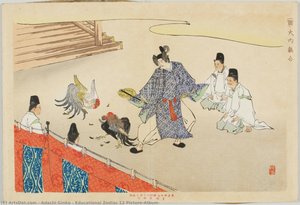
In the vibrant, transformative era of the late Meiji period, few artists captured the shifting soul of Japan as vividly as Adachi Ginkō. Born in 1853, a time when the traditional structures of the Edo period were beginning to yield to the rapid modernization of the West, Ginkō emerged as a master of the Ukiyo-e tradition.


25/ 39
Toyohara Chikanobu 1838–1912
Japanese Shin-hanga

In the twilight of the Edo period and the dawn of a modernizing Japan, few artists captured the profound tension between tradition and transformation as masterfully as Toyohara Chikanobu.


26/ 39
Утагава Тойохиро 1773–1828
Japanese b. Toyooka Ukiyo-e Wikipedia 8/32

In the vibrant tapestry of the Edo period, few names resonate with the quiet elegance and technical mastery of Utagawa Toyohiro. Born as Okajima Tōjiro in Toyooka, Japan, this distinguished artist emerged as a pivotal figure within the renowned Utagawa school.


27/ 39
Mizuno Toshikata 1866–1908
Japanese b. Tokyo Ukiyo-e, Kuchi-e

Unlike the often-dramatic compositions favored by Yoshitoshi, Toshikata's works are imbued with an understated elegance and a profound sense of sentimentality. Several notable works by Mizuno Toshikata can be found in prestigious collections, including those at the Keio University Library and the Meiji Jingu Forest Festival of Art.


28/ 39
Ishikawa Toyonobu 1711–1785
Japanese b. Tokyo Ukiyo-e (Lacquer Print Art) Wikipedia 7/32

Among them stands Nishimura Shigenobu, also known as Ishikawa Toyonobu (1711–1785), a figure whose work embodies both the elegance and subtle sensuality characteristic of early ukiyo-e. He is often considered to have been the same person as Nishimura Shigenobu, a contemporary artist and student of Nishimura Shigenaga. Toyonobu’s artistic education began under the tutelage of Nishimura Shigenaga, a pupil of the renowned Okumura Masanobu.


29/ 39
Kogyo Sakamaki 1869–1927
Japanese Noh Theatre Prints

His prints continue to be studied by scholars and admired by collectors alike, serving as invaluable documents of Noh theatre’s cultural history and embodying the artistic ideals of the Meiji era—a testament to Sakamaki’s enduring legacy as a master of ukiyo-e and a poet of Japanese tradition.


30/ 39
Hokkei 1780–1850
b. Tokyo Wikipedia 8/32

The Tale of Genji, considered one of the greatest works of Japanese literature, depicts the complex lives and romantic entanglements within the Heian court.


31/ 39
Sadatora
Japanese b. Tokyo Ukiyo-e

Born around 1825 in the bustling metropolis of Tokyo, Sadatora was more than just a practitioner of woodblock printing; he was a poet of the atmospheric and the transient.


32/ 39
Utagawa Yoshitora

His artistic journey unfolded under several names – Ichimōsai Yoshitora, Kinchōrō Yoshitora, and Mosai Yoshitora – a practice not uncommon among ukiyo-e artists who adopted different art names throughout their careers to mark stylistic shifts or periods of production.


34/ 39
Утагава Кунисада Ii 1823–1880
Японец b. Токио Укио-е (якуша-е) Wikipedia 6/32

вижте произведенията на утагава кунисада ii в AllPaintingsStore.com. разгледайте музея за модерно изкуство в Хакодате (Япония) в AllPaintingsStore.com. открийте картините на нонояма козан в AllPaintingsStore.com.


35/ 39
Utagawa Toyokuni II 1777–1835
Japanese Ukiyo-e Wikipedia 4/32

Hiroshige's fame rests largely upon his monumental Tokaido series (1830–1832), a meticulously planned depiction of the 67 stations along Japan’s ancient pilgrimage route from Edo to Kyoto.
Trained by Utagawa Toyokuni I #13


36/ 39
Utagawa Yoshitaki 1841–1899
Japanese b. Osaka Ukiyo-e Wikipedia 4/32

His skillful use of shading and perspective created an illusion of depth and movement, effectively capturing the theatricality of the Kabuki stage.


37/ 39
Utagawa Kunitsuna Ii, Ichiransai, Sadashige
Japanese Ukiyo-e

Pinpointing Kunitsuna’s artistic lineage proves challenging due to the limited documentation surrounding his early career.


38/ 39
Utagawa Yoshikazu
Japanese b. Edo Ukiyo-e, Yokohama-e Wikipedia 3/32

He demonstrated a particular mastery of capturing textures and materials, from the sheen of Western fabrics to the rough surfaces of Japanese buildings. Among Yoshikazu’s most celebrated works are prints like “ American Family Print ” (1861) and “ Modern Ups and Downs Contests: Yokohama Merchants Referee (between) Entertainers and Non-workers,” which vividly portray the social dynamics of Yokohama during this period.


39/ 39
Shunkōsai Hokushū
Japanese b. Osaka Kamigata-e Wikipedia 3/32

The Osaka Style Emerges: Unlike the Edo-period’s dominant trend of producing prints in Tokyo, Hokuchō remained firmly rooted in Osaka. Osaka’s Artistic Landscape: Hokuchō's artistic output reflects Osaka’s position as a center of theatrical culture during the early 19th century.


Best-known works
Famous Ukiyo-e paintings by artist
Chronology
Ukiyo-e chronology
- 1656
- 1785
- 1790
- 1809
- 1825
- 1827
- 1831
- 1850
- 1855
- 1857
- 1858
- 1867
- 1870
- 1888
Statistics
Counts by country, period and museum
| Japan | 20 |
|---|---|
| Япония | 16 |
| 17th век | 3 |
|---|---|
| 18th век | 17 |
| 19th век | 12 |
| Bujalance Collection | 11 |
|---|---|
| Keio University Library | 10 |
| Метрополитън Музей на изкуствата | 9 |
| Minneapolis Institute of Art | 5 |
| Indianapolis Museum of Art | 2 |
| Hill-Stead Museum | 2 |
| Los Angeles County Museum of Art | 2 |
| Brooklyn Museum | 2 |
Index
Full list of 39 famous Ukiyo-e артисти
- 1
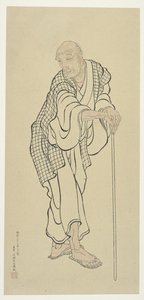 Кацушика ХокусайЯпонец · 1760–1849
- 2
 Андо ХирошигеЯпонски · 1797–1858
- 3
 Китагава УтамароЯпонски · 1753–1806
- 4Цъкиока ЙошитошиЯпонец · 1839–1892
- 5
 Тории КиёнагаЯпонец · 1752–1815
- 6Утагава КуниъосиЯпонски · 1798–1861
- 7Судзуки ХарунобуЯпонец · 1724–1770
- 8
 Хишикава МоронобуЯпонец · 1618–1694
- 9Утагава КунисадаJapanese · 1786–1865
- 10
 Чобунсай ЕйшиЯпонец · 1756–1829
- 11Kawanabe KyōsaiJapanese · 1831–1889
- 12Keisai EisenJapanese · 1790–1848
- 13Utagawa Toyokuni IJapanese · 1769–1825
- 14
 Хирошиге I, Утагава И Киемон, ЦуруяJapanese · 1797–1858
- 15Утагава КунимасаЯпонски · 1773–1810
- 16Nishikawa SukenobuJapanese · 1671–1750
- 17SharakuJapan ·
- 18UtashigeJapanese ·
- 19Miyagawa ChōshunJapanese · 1683–1753
- 20Goyō HashiguchiDutch · 1880–1921
- 21Isoda KoryūsaiJapanese · 1735–1790
- 22Ogata GekkoJapanese · 1859–1920
- 23Кобаяши КийочикаЯпонец · 1847–1915
- 24Adachi GinkoJapanese · роден 1853
- 25Toyohara ChikanobuJapanese · 1838–1912
- 26Утагава ТойохироJapanese · 1773–1828
- 27Mizuno ToshikataJapanese · 1866–1908
- 28Ishikawa ToyonobuJapanese · 1711–1785
- 29Kogyo SakamakiJapanese · 1869–1927
- 30Hokkei1780–1850
- 31SadatoraJapanese ·
- 32Utagawa Yoshitora
- 33
 Тойохара КуничикаЯпонец · 1835–1900
- 34Утагава Кунисада IiЯпонец · 1823–1880
- 35Utagawa Toyokuni IIJapanese · 1777–1835
- 36Utagawa YoshitakiJapanese · 1841–1899
- 37Utagawa Kunitsuna Ii, Ichiransai, SadashigeJapanese ·
- 38Utagawa YoshikazuJapanese ·
- 39Shunkōsai HokushūJapanese ·
FAQ
Ukiyo-e: quick answers
Who was the greatest Ukiyo-e артист?
Кацушика Хокусай (#1) comes first, ahead of Андо Хирошиге (#2) and Китагава Утамаро (#3).
Which five Ukiyo-e артисти should everyone know?
Кацушика Хокусай (#1), Андо Хирошиге (#2), Китагава Утамаро (#3), Цъкиока Йошитоши (#4) и Тории Киёнага (#5).
In which period did Ukiyo-e art flourish?
Most артисти in this list were born in the 18th век (17 of 39), between 1618 and 1880 overall.
Which Ukiyo-e masters trained other famous артисти?
Утагава Куниъоси (#6) taught Utagawa Yoshitora (#32) и Kawanabe Kyōsai (#11); Utagawa Toyokuni I (#13) taught Utagawa Toyokuni II (#35).
Who are the most famous living Ukiyo-e артисти?
The highest-ranked living артисти in this list are Adachi Ginko (#24).
Who was the first Ukiyo-e артист?
The earliest-born артист in this list is Хишикава Моронобу (#8), born in 1618.
Where can I see Ukiyo-e art?
The museums holding the most key works of this list are Bujalance Collection (11), Keio University Library (10) и Метрополитън Музей на изкуствата (9).
Which country produced the most Ukiyo-e артисти?
Japan: 20 of the 39 артисти in this list were born there, then Япония (16).
Which techniques define Ukiyo-e art?
“While he mastered the precise brushwork required by tradition, his spirit gravitated toward the more liberated styles of the popular schools.” — from our biography of Kawanabe Kyōsai (#11).
Which Ukiyo-e артисти from Япония are the most famous?
The highest-ranked артисти born in Япония are Кацушика Хокусай (#1), Андо Хирошиге (#2), Китагава Утамаро (#3), Цъкиока Йошитоши (#4) и Тории Киёнага (#5).
Which city produced the most Ukiyo-e артисти?
Токио: 9 of the артисти in this list were born there.
Where can I buy Ukiyo-e art?
Our catalogue holds 5,896 works by these артисти. Each one can be ordered as a hand-painted oil reproduction or a print.
Guides
AllPaintingsStore.com guides
Other lists
Famous artists by movement
 Знаменити художници от BaroqueНощна стража · Рембранд ван Рейн
 Знаменити художници от Contemporary RealistКосачките · Жан-Франсоа Миле
 Знаменити художници от ImpressionistЗвездна нощ (Ню Йорк, MoMA) · Винсент Ван Гог
 Знаменити художници от RomanticistСатурн поглъщащ сина си · Франсиско Гоя
 Знаменити художници от NeoclassicistСмъртта на Марат · Жак-Луи Давид
 Знаменити художници от RealistПроизход на света · Гюстав Курбе
 Знаменити художници от RenaissanceМона Лиза (Ла Джоконда) · Леонардо Да Винчи
 Знаменити художници от Dutch Golden AgeМомичето с перлена обица · Йоханес Вермер
 Знаменити художници от ExpressionistКомпозиция VII · Василий Кандински
 Знаменити художници от RococoОтплаване към Китера · Антоан Вато
By period
Famous artists by period
 Знаменити художници от Early MedievalSnowy River · Уан Вей
 Знаменити художници от High MedievalMadonna in Maest (Ognissanti Madonna) · Джото
 Знаменити художници от Late MedievalБлаговещението и двама светили · Симоне Мартини
 Знаменити художници от RenaissanceСътворението на Адам · Микеланджело Буонароти
 Знаменити художници от Early ModernПовикаването на Свети Матей · Микеланджело да Караваджо
 Знаменити художници от 19th CenturyВодни лилии (или Нимфеи) · Клод Моне
 Знаменити художници от ModernГерника · Пабло Пикасо
 Знаменити художници от ContemporaryWind Sculpture III (one in a series of nine) · Yinka Shonibare
Related lists