Гаранция за връщане на сумата · 30 дни Безплатна доставка по целия свят
449332произведения на изкуството 30637художници 4753музеи 32езици
Валута
Език
Ателие · Създаден през 2015 г. · Париж, Франция
AllPaintingsStore
allpaintingsstore.com
Моят профил Списък с желания Количка

Кифън Уилямс

Бързи факти

  • Top-ranked work: Elephant Mothers with Calves
  • Copyright status: Under copyright
  • Works on APS: 6
  • Nationality: Великобритания
  • Разгърни скритите подробности
  • Also known as: John E. Williams
  • Born: Великобритания
  • Top 3 works:
    • Elephant Mothers with Calves
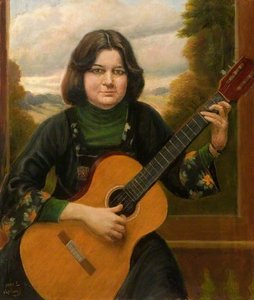
    • Girl with a Guitar
    • Self Portrait

Тест за изкуство

Има само един верен отговор за всеки въпрос.

Въпрос 1:
Каква е основната художествена школа, която повлия на творчеството на Джон Уилямс?
Въпрос 2:
Кои художници повлияха на стила на Джон Уилямс?
Въпрос 3:
Каква е една от най-често срещаните теми в творбите на Уилямс?
Въпрос 4:
Каква техника използва Джон Уилямс при създаването на свои картини?
Въпрос 5:
Кои са известни произведения на Джон Уилямс?

John Williams: A Symphony of Victorian Imagination

John William Waterhouse (1861–1922) occupies a unique position within Victorian art, revered for his exquisitely detailed Pre-Raphaelite paintings that explore profound themes of mythology, feminine beauty, and psychological complexity. Born in Epsom, Surrey, England, Waterhouse’s artistic journey commenced with formative training under Frederic Leighton at the Royal Academy, absorbing the stylistic precepts of Neo-Classicism alongside the ethereal idealism championed by Dante Gabriel Rossetti and William Holman Hunt – the core members of the Pre-Raphaelite Brotherhood. This influential connection irrevocably shaped his visual language and aesthetic sensibilities. Early Influences: Leighton’s unwavering dedication to classical form and idealized representation instilled in Waterhouse a meticulous focus on proportion and sculptural modeling, characteristics that permeate his entire oeuvre. The Academy's emphasis on anatomical accuracy and harmonious composition served as an indispensable foundation for Waterhouse’s artistic endeavors. Simultaneously, the Brotherhood’s legacy captivated him with Rossetti’s poetic vision—a fervent belief in capturing beauty through imaginative storytelling—and Hunt’s commitment to scientific observation—a conviction that art should be grounded in verifiable facts. This duality fueled Waterhouse's desire to synthesize intellectual rigor and aesthetic splendor. Waterhouse’s artistic output encompassed a breathtaking array of subjects – from biblical narratives brimming with spiritual symbolism to Shakespearean dramas imbued with dramatic tension and classical myths resonating with timeless archetypes—yet he is arguably most celebrated for his depictions of women, particularly those radiating melancholic grace and psychological depth. His canvases frequently portray figures caught in moments of contemplative stillness or yearning, bathed in diffused light that evokes an atmosphere of palpable emotion. This masterful manipulation of chiaroscuro – the dramatic interplay between illumination and darkness – became a defining element of Waterhouse’s technique, mirroring the Romantic preoccupation with delving into inner landscapes and conveying intangible feelings. He meticulously studied Rembrandt's use of light to convey mood and emotion, incorporating similar principles into his own paintings. Notable Subjects & Technique: Recurring motifs included nymphs, goddesses, maidens, and women engaged in solitary pursuits—often gazing wistfully into the distance or absorbed in quiet contemplation. Waterhouse’s artistic style achieved astonishing levels of realism, capturing subtle textures and nuances of color with unparalleled precision. He skillfully blended classical modeling with Impressionistic luminosity to create images that resonated with both intellectual depth and sensual beauty. His brushwork was characterized by a deliberate layering technique—a painstaking process of applying thin glazes over thicker impasto—resulting in surfaces that possessed remarkable tactile qualities. This meticulous attention to detail ensured that every element within his paintings conveyed maximum expressive power. Alma-Tademas Influence: Like Alma-Tadema, Waterhouse’s unwavering dedication to capturing the subtleties of domestic interiors bathed in soft light—a technique he adopted with discerning sensitivity—solidified his reputation as one of the most accomplished artists of his era. His paintings exemplify Victorian art's ability to convey grandeur alongside intimacy, reflecting a broader artistic trend toward exploring human experience within carefully constructed environments. Major Achievements & Legacy: Among Waterhouse’s most enduring masterpieces are “Cleopatra,” a monumental canvas depicting Cleopatra VII Philopator gazing upon Antony—a scene brimming with symbolic resonance and psychological drama—and “Tristan and Isolde with the potion,” which captures the poignant beauty of Tristan’s despair as he awaits Isolde's return. These paintings exemplify Waterhouse’s unparalleled capacity to transform literary narratives into emotionally compelling visual experiences, securing his place within Victorian art history as a Pre-Raphaelite visionary who elevated artistic achievement to new heights. His contribution to British Art remains significant and continues to inspire admiration for its timeless elegance and psychological insight—a testament to the enduring power of imagination and meticulous craftsmanship.