Early Life and the Seeds of Innovation
Paul Jackson Pollock, born in Cody, Wyoming, in 1912, was a restless spirit from the outset. His early life was marked by frequent relocation as his father pursued work as a land surveyor across the vast landscapes of the American West. This itinerant existence instilled in young Pollock a deep connection to the natural world and an exposure to diverse cultures, particularly through encounters with Native American art during those surveying trips – impressions that would subtly permeate his artistic vision later in life. Though he never explicitly imitated Indigenous styles, the raw energy and spiritual resonance of these early experiences undoubtedly left their mark.
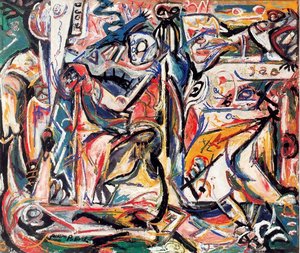
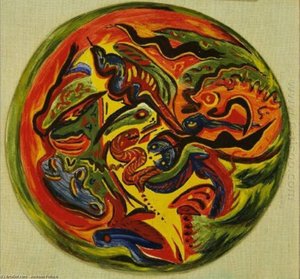
Pollock’s formal artistic training began at the Manual Arts High School in Los Angeles, followed by studies at the Art Students League of New York under the tutelage of Thomas Hart Benton. Benton, a prominent figure in the Regionalist movement, emphasized rhythmic composition and narrative themes rooted in American life. While Pollock initially absorbed these lessons, his inherent inclination leaned toward more abstract explorations. He was also profoundly impacted by Mexican muralists like José Clemente Orozco, whose powerful depictions of social struggle resonated deeply with him. These early influences laid a foundation, but it was the burgeoning world of Surrealism that truly unlocked Pollock’s artistic potential.
The Birth of Action Painting and a Revolutionary Technique
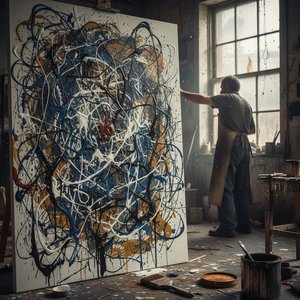
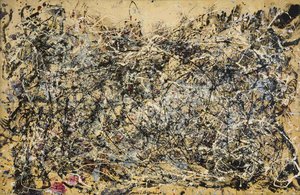
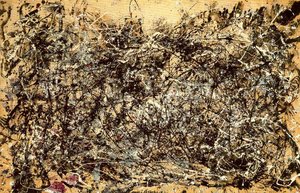
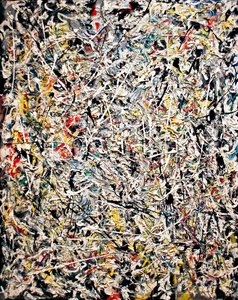
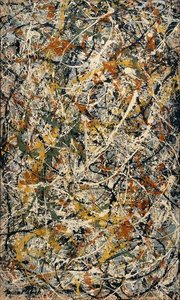
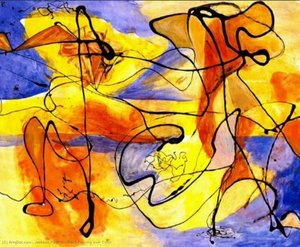
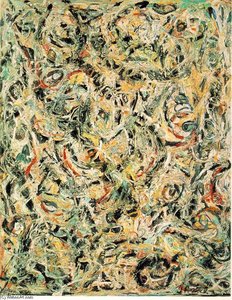
The 1930s saw Pollock experimenting with various techniques, seeking alternatives to traditional brushwork. He began pouring paint, exploring its fluidity and unpredictable nature. However, it was around 1947 that his artistic trajectory underwent a radical transformation. Abandoning the easel altogether, Pollock laid canvases directly on the floor, initiating what would become known as his “drip technique.” He then proceeded to drip, splash, and fling paint onto the canvas from above, orchestrating a dynamic dance between artist, medium, and surface.
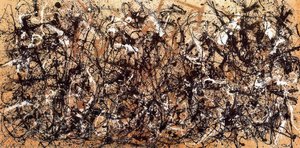
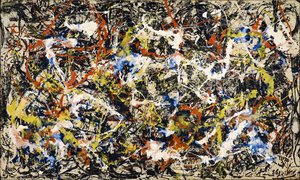
This wasn’t merely about applying paint; it was about embodying the act of creation itself. Pollock's canvases became arenas for physical expression, capturing the immediacy of his gestures and emotions. The resulting paintings are characterized by their “all-over” composition – a lack of central focus that invites the viewer to explore the entire surface as a unified field of energy. Intricate networks of lines and colors intertwine, creating a visual complexity that is both captivating and challenging. He employed unconventional tools—sticks, knives, even syringes—to manipulate the paint in unpredictable ways, further emphasizing the spontaneous nature of his process.
- This technique was revolutionary because it rejected traditional brushwork.
- It emphasized the physical act of painting as a performance.
Influences and Artistic Development
Pollock’s artistic development wasn't solely driven by experimentation. He drew inspiration from diverse sources, including the works of European masters like Picasso and Braque, as well as the vibrant murals of Mexican artists such as Diego Rivera. The influence of Surrealism, with its exploration of the subconscious and dreamlike imagery, also played a significant role in shaping his artistic vision. His exposure to Native American art during his father’s surveying trips instilled a deep appreciation for patterns, rhythms, and symbolic language – elements that subtly informed his abstract compositions.
Key Influences:
- Thomas Hart Benton (Regionalism)
- José Clemente Orozco (Mexican Muralism)
- Surrealism
- Native American Art
Iconic Works and Lasting Legacy
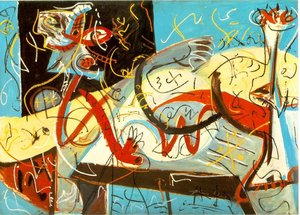
Pollock’s most celebrated works—such as
Number 1, 1950 (Lavender Mist),
One: Number 31, 1950,
Blue Poles: Number 11, 1952, and
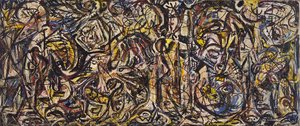
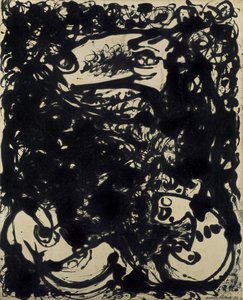
Convergence—are testaments to his revolutionary technique. These paintings are not simply images; they are records of a performance, imbued with the artist’s physical presence and emotional intensity. The dynamic energy that emanates from these canvases is palpable, drawing viewers into a world of pure abstraction.
Notable Works:
- Number 1, 1950 (Lavender Mist)
- One: Number 31, 1950
- Blue Poles: Number 11, 1952
- Convergence
Pollock’s impact on the history of art is immeasurable. He fundamentally altered the way artists approached painting, breaking free from easel-based methods and embracing a more performative approach. His work helped solidify New York City's position as a global center for modern art, shifting the focus away from European dominance. His influence can be seen in the work of countless artists who followed, including those associated with Color Field painting and later forms of abstract expressionism.
A Complex Figure and Enduring Influence
Despite initial skepticism, Pollock’s work eventually gained widespread recognition and acclaim. He was a complex figure—a brilliant artist grappling with personal demons, including alcoholism. His untimely death in 1956 at the age of 44 only served to heighten his mystique and solidify his place as one of the most important artists of the 20th century. His legacy continues to inspire artists today, demonstrating the power of experimentation, emotional expression, and a willingness to challenge conventional artistic boundaries. His innovative techniques and expressive style ensure his enduring influence for generations to come.