Гаранция за връщане на сумата · 30 дни Безплатна доставка по целия свят
446261произведения на изкуството 30640художници 4753музеи 32езици
Страна
Валута
Език
Ателие · Създаден през 2015 г. · Париж, Франция
AllPaintingsStore
allpaintingsstore.com
Моят профил Списък с желания Количка

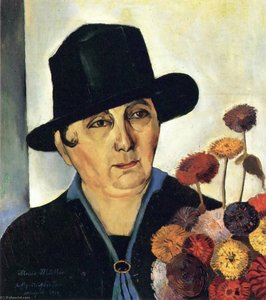
Феликс Нюсбаум

1904 - 1945

Бързи факти

  • Also known as: Нюсбаум
  • Color intensity: ярък
  • Vibe: драматичен
  • Movements: surrealism
  • Nationality: Германия
  • Art period: Модерно
  • Works on APS: 41
  • Top 3 works:
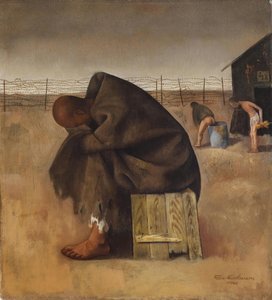
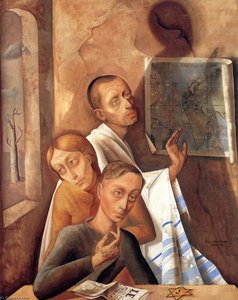
    • In the camp
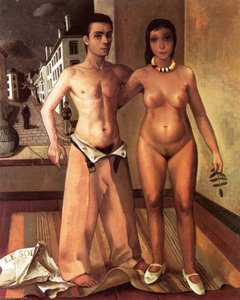
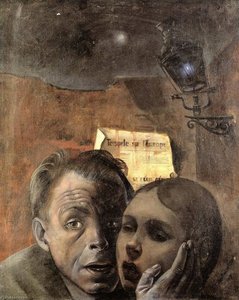
    • Evening (unfinished) (also known as Self Portrait with Felka Platek)
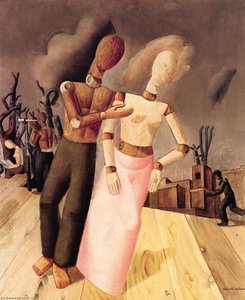
    • Manikins
  • Разгърни скритите подробности
  • Creative periods: mature period
  • Top-ranked work: In the camp
  • Room fit: дневна
  • Museums on APS:
    • Deutsches Historisches Museum
    • Berlinische Galerie
    • Berlinische Galerie
    • Berlinische Galerie
    • Berlinische Galerie
  • Lifespan: 41 years
  • Died: 1945
  • Copyright status: Public domain
  • Born: 1904, Оснабрюк, Германия

Тест за изкуство

Има само един верен отговор за всеки въпрос.

Въпрос 1:
Феликс Нюсбаум е бил художник на каква националност?
Въпрос 2:
С коя художествена школа обикновено се свързва творчеството на Феликс Нюсбаум?
Въпрос 3:
В каква година Нюсбаум осъзнава, че вече не може да остане в Берлинската академия изкуства?
Въпрос 4:
Какво се случи с Феликс Нюсбаум и неговата жена, Фелка Платек, през юли 1944 г.?
Въпрос 5:
Кое от следните е едно от най-известните произведения на Нюсбаум?

Felix Nussbaum (1904-1944): A Painter of the Holocaust for Our Times

Felix Nussbaum’s story is a stark and profoundly moving testament to the power of art born from unimaginable suffering. Born in Osnabrück, Germany, in 1904, his life unfolded against the backdrop of rising nationalism and escalating persecution, culminating in the horrors of the Holocaust. He wasn't simply a victim *of* history; he was an artist who meticulously documented its impact on his soul, creating a body of work that stands as both a personal lament and a universal warning. Nussbaum’s paintings offer a rare, unflinching glimpse into the psychological landscape of displacement, fear, and ultimately, annihilation – a perspective often absent from broader historical narratives. His father, Philipp Nussbaum, a World War I veteran with an early passion for painting himself, recognized and nurtured his son's talent, providing encouragement that would prove vital in the darkening years to come. This initial support fostered a lifelong dedication to art, even as political realities increasingly constricted his path.

Early Life and Artistic Influences

Nussbaum’s artistic journey began with formal studies in Hamburg and Berlin in 1920, continuing for as long as circumstances allowed. His early work reveals a clear debt to the Post-Impressionist masters, particularly Vincent van Gogh and Henri Rousseau. The vibrant colors and expressive brushwork of these artists provided a foundation upon which Nussbaum would later build his unique style. However, he wasn’t content with mere imitation. He actively sought out new influences, drawn to the unsettling dreamscapes of Giorgio de Chirico and Carlo Carrà, pioneers of the *pittura metafisica* movement. The careful attention to color demonstrated by Carl Hofer's expressionist paintings also left a lasting impression on Nussbaum’s approach. These diverse inspirations coalesced into what would become known as his “New Objectivity” style – a blend of realism and surrealism, characterized by precise detail, unsettling compositions, and a pervasive sense of alienation. This period was marked by experimentation and growth, but the looming shadow of Nazi ideology soon threatened to extinguish his artistic promise.

Formative Years: The Seeds of Surrealism

Felix Nussbaum’s formative years were shaped by an unwavering love for art and a profound engagement with intellectual currents of the time. From a young age he demonstrated exceptional talent, fueled by his father's encouragement—a veteran of World War I who himself possessed considerable artistic inclinations. This familial support proved crucial in nurturing Nussbaum’s passion for painting and propelling him toward academic pursuits. His studies at Hamburg and Berlin instilled in him a disciplined approach to technique and exposed him to the groundbreaking ideas of avant-garde artists, establishing the groundwork for his distinctive style. The influence of Van Gogh's emotive brushstrokes and Rousseau's idyllic landscapes served as initial catalysts, guiding Nussbaum’s artistic explorations. Simultaneously, he absorbed the unsettling visions of De Chirico and Carrà—artists who challenged conventional perceptions of reality—introducing him to the realm of *pittura metafisica*. Hofer’s expressive paintings further solidified Nussbaum’s commitment to conveying emotion through color and form.

The Rise of Nazism and Exile

The political landscape dramatically shifted in 1933 when Adolf Hitler seized control of Germany, irrevocably altering Nussbaum's trajectory. Studying on a scholarship at Rome’s Villa Massimo—one of two prestigious awards bestowed by the German government to art students—he witnessed firsthand the chilling pronouncements of Hitler’s propaganda minister regarding artistic values. “The Aryan race and heroism are the main themes that the Nazi artist is to develop.” Recognizing the perilous situation facing Jewish artists under this regime, Nussbaum abandoned his studies and fled Rome shortly thereafter. He embarked on a journey fraught with uncertainty and fear—a flight from Berlin driven by the imminent threat of persecution. Meeting Felka Platek during these years solidified his personal life while simultaneously intensifying his artistic anxieties. The couple sought refuge in Paris and Belgium, attempting to evade the Nazi grip but ultimately succumbing to deportation when Germany invaded Belgium in 1940. This displacement profoundly impacted Nussbaum’s creative output—his paintings reflecting the psychological torment of exile and the pervasive sense of loss that accompanied it.

A Legacy of Suffering: The Art of Displacement

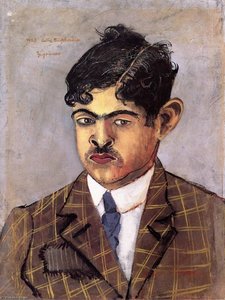
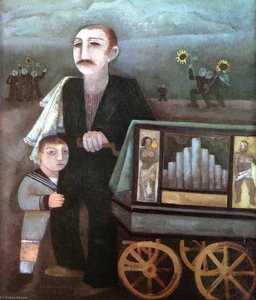
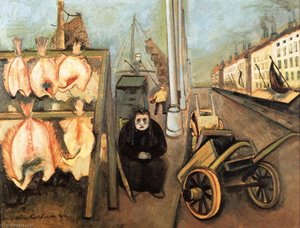
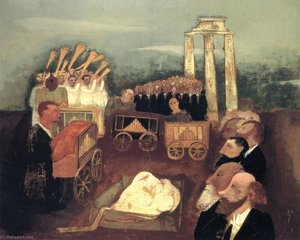
Felix Nussbaum's artistic legacy resides not merely in his stylistic innovations but also in his courageous confrontation with trauma. His oeuvre—characterized by meticulous detail, unsettling compositions, and a masterful manipulation of color—stands as an unparalleled testament to the human capacity for resilience amidst unimaginable adversity. Works like *Self Portrait with Jewish Identity Card* (1943) and *Triumph of Death* (1944)—executed during his confinement in Belgium—capture the essence of displacement—the disintegration of identity and the crushing weight of existential dread. Nussbaum’s artistic vision transcends mere representation; it seeks to convey an inner truth—a profound awareness of suffering that resonates across time and culture. His unwavering dedication to art served as a beacon of defiance against oppression, ensuring that his voice—and his unsettling yet profoundly humane perspective—continues to inspire contemplation and provoke dialogue today. Nussbaum’s final paintings embody the spirit of New Objectivity—a stylistic fusion that reflects both meticulous realism and dreamlike symbolism—solidifying his place among the most significant artists of the 20th century.