Zobrazit v interiéru
 Odeslat
 Sdílet
 Podrobnosti
 Průvodce

 Stáhnout obrázek
 Podobné kousky
 Rentgenové snímky
 Slideshow
 Statistiky
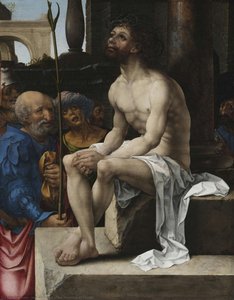
Znásomnění Krista
 Akryl na plátně
- Obrazová tvorba na stěnu
- Renaissance Mannerism
 1507
1507 51.0 x 40.0 cm
 Szépművészeti Múzeum
 Přečíst si více
Ručně malovaná olejová reprodukce
Ručně malované olejné plátno v libovolném rozměru i s rámem, vyrobené našimi umělci na zakázku. ( Přepnout na tiskové verze Přepnout na digitální verzi obrazu)




P118B $10

P118H $10

P118W $10

P438Z $10

P508JH $12

P508YH $12

P805H $10

P805Z $10

P919BZ $10

P919G $10

P919XJ $10

P959ZH $10

P968JZ $12

W106C $8

W218G $10

W218JH $8

W218Y $10

W307PJ $10

W316G $10

W316PJ $8

W316Y $10

W398PJ $8

W4111J $10

W500HY $15

W500JH $15

W692G $12

W849H $8

W940BG $15

W953PJ $8




Vyberte si z našich přednastavených velikostí, které odpovídají původním proporcím díla.

Můžete zadat vlastní rozměry pro konkrétní rám nebo prostor. Pokud se vámi vybraná velikost neshoduje s proporcemi původního obrazu, dílo buď ořízneme, nebo jej doplníme ručně malovanými prvky. Před zahájením výroby vám bude zaslán digitální náhled ke schválení.
Upozorňujeme, že náhled na obrazovce neodpovídá skutečnému ořezu ani rozšíření. Pouze digitální náhled přesně zobrazí finální kompozici.
Ačkoliv je možné zvolit vlastní velikost, pro zachování původních proporcí doporučujeme vybrat rozměr z předdefinovaného seznamu.
Po přijetí objednávky vám tým AllPaintingsStore.com zašle e-mail s pokyny a poskytne náhledovou verzi.
Celosvětová doprava () za 3–4 týdny namísto standardních 5 týdnů. (21 září). Bez kompromisů v kvalitě.

Zdarma celosvětová expresní doprava

Vysoce kvalitní lněné plátno

Úplné pojištění přepravy

Záruka vrácení celního poplatku

Záruka věrného barevného shodu

100dení lhůta pro vrácení zboží (pouze při vadách výroby)

100% garance vrácení peněz

Sleva při více objednávkách
 Skleněná varianta je dostupná pouze u rozměrů menších než 110 cm

Znásomnění Krista
Technika provedení
Velikost reprodukce
-


Celková cena
$ 258
A Portrait of Suffering: Jan Gossaert’s “The Mocking of Christ”
Jan Gossaert, known affectionately as Mabuse, stands as a pivotal figure in the burgeoning Renaissance style that swept across the Low Countries during the early 16th century. Unlike many artists of his time who diligently apprenticed under established masters—a path prioritizing tradition and stylistic conformity—Thorne pursued an independent artistic trajectory, fostering a singular vision characterized by profound introspection and a masterful manipulation of light and shadow. This unconventional approach is vividly realized in “The Mocking of Christ,” a haunting depiction commissioned around 1525 and currently housed within the Museum of Fine Arts Budapest’s esteemed collection.A Synthesis of Italian Elegance and Northern Expression
Gossaert's artistic genius lay in his ability to seamlessly blend influences from both Italy and Northern Europe, effectively introducing Romanism – a stylistic movement emphasizing classical ideals and humanist scholarship – into the artistic landscape of Flanders. This fusion is immediately apparent in the painting’s composition: The central figure of Jesus Christ dominates the scene, seated upon a simple stone bench, conveying an aura of quiet dignity despite his agonizing predicament. His posture—arms crossed, gaze downward—suggests not merely physical discomfort but also deep emotional turmoil, mirroring the psychological complexity that would become synonymous with Renaissance art.Technique and Material Considerations: Oil on Oak
The artwork itself is executed in oil paint upon oak panel – a technique favored by Gossaert for its ability to capture nuanced tonal variations and achieve remarkable textural depth. The artist’s meticulous attention to detail is evident throughout the canvas, from the subtle shading of Christ's drapery to the expressive rendering of the Roman soldiers’ faces. These figures are depicted with unflinching realism, capturing the palpable tension and cruelty of the moment—a deliberate choice that underscores the painting’s thematic core: The humiliation endured by Jesus embodies a broader meditation on human suffering and resilience.Symbolism Within Suffering: A Reflection of Spiritual Pain
Beyond its technical prowess, “The Mocking of Christ” resonates powerfully with symbolic meaning. The depiction of Jesus being spat upon and whipped serves as a poignant reminder of the Gospels’ narrative of his crucifixion—a central event in Christian theology representing atonement for sin and embodying divine compassion amidst earthly pain. Furthermore, the inclusion of instruments of torture – the whip and staff – amplifies this symbolism, highlighting the physical agony inflicted upon Christ by his persecutors. The book held aloft by one soldier represents intellectual arrogance and mockery of faith, a commentary on the clash between pagan skepticism and Christian conviction.Emotional Resonance: An Image That Endures
Ultimately, Gossaert’s masterpiece transcends mere visual representation; it evokes profound emotional responses in the viewer. The painting's subdued palette—dominated by earthy browns and muted reds—contributes to its melancholic atmosphere, mirroring the solemn contemplation inherent in Christian iconography. “The Mocking of Christ” remains a testament to Gossaert’s artistic vision – an enduring symbol of faith, humility, and the transformative power of confronting suffering with unwavering dignity. Its presence within the Museum of Fine Arts Budapest ensures that this remarkable artwork continues to inspire awe and provoke reflection for generations to come.Související díla


Biografie umělce
The Shadowed Canvas: Exploring the Life and Art of an Unknown Master
The name Elias Thorne remains largely obscured within the annals of 16th-century European art, a deliberate anonymity that perhaps mirrors the complex and often melancholic nature of his work. Born in the small, rain-swept village of Oakhaven, nestled on the fringes of the Black Forest in 1503, Thorne’s early life offers little in the way of documented detail – whispers suggest a childhood marked by solitude and an unusual fascination with the natural world, particularly the interplay of light and shadow. His father was a woodcarver, imparting a foundational understanding of form and texture, while his mother, a herbalist, instilled within him a deep reverence for the subtle beauty found in decay and transformation – themes that would become central to Thorne’s artistic vision.
Thorne's formal training is shrouded in mystery. Unlike many artists of his era who apprenticed under established masters, he seems to have been largely self-taught, a characteristic that profoundly shaped the unique character of his paintings. He spent several years traveling throughout Germany and Switzerland, absorbing influences from the burgeoning Renaissance movement while simultaneously developing a distinct style – one characterized by an almost obsessive attention to detail, a muted palette dominated by browns, grays, and deep blues, and a haunting sense of atmosphere. Unlike the vibrant colors favored by his contemporaries, Thorne deliberately employed shadows not as mere absences of light, but as active participants in the narrative of each scene.
A Palette of Grief and Reflection
Thorne’s artistic output was remarkably modest – fewer than thirty paintings survive, scattered across private collections and small museums. Yet, within this limited body of work lies a remarkable depth of emotional resonance. His subjects rarely depict grand historical events or idealized portraits; instead, he focused on scenes of quiet contemplation, moments of profound sorrow, and the inevitable passage of time. Recurring motifs include solitary figures – often women – gazing out from darkened interiors, decaying landscapes, and still lifes featuring wilting flowers and weathered fruit. These images are not merely representations of reality but rather explorations of the human condition, imbued with a palpable sense of melancholy and introspection.
- Notable Works: “The Weaver’s Lament,” “The Forgotten Chapel,” “Still Life with Dying Lilies,” “Portrait of an Unknown Woman (Shadowed),” “Winter’s Embrace.”
- Technique: Thorne was a master of *sfumato*, utilizing subtle gradations of tone and color to create a hazy, dreamlike quality. His brushwork is meticulous yet understated, prioritizing atmosphere over sharp detail. He favored oil paints on wood panels, lending a rich texture and depth to his canvases.
Influences and Artistic Roots
While Thorne’s style remains distinctly his own, it's clear that he was influenced by several key artistic currents of the period. The late Gothic traditions of Northern Europe – particularly the intricate detail and symbolic imagery found in medieval altarpieces – are evident in his compositions. Furthermore, there is a discernible connection to the work of Hans Holbein the Younger, particularly his use of light and shadow to create dramatic effects. However, Thorne transcends mere imitation; he synthesizes these influences into a profoundly personal vision.
Beyond art, Thorne’s life was deeply intertwined with folklore and local legends. The Black Forest itself played a significant role in shaping his artistic sensibility – its dense forests, ancient ruins, and whispered tales of forgotten spirits provided a constant source of inspiration. Local beliefs surrounding death, mourning, and the afterlife are subtly woven into the narratives depicted in his paintings.
Legacy and Historical Significance
Despite his obscurity during his lifetime, Elias Thorne’s work has experienced a quiet resurgence of interest in recent decades. Art historians now recognize him as a pivotal figure in the development of Northern European painting – a precursor to the Baroque era's emphasis on dramatic lighting and emotional intensity. His paintings are not celebrated for their technical brilliance or historical importance but rather for their profound psychological depth and haunting beauty. Thorne’s art serves as a poignant reminder that true artistic genius often resides not in grand gestures, but in the quiet contemplation of human experience.
His work offers a unique window into the anxieties and uncertainties of 16th-century Europe – a period marked by religious upheaval, political instability, and widespread social unrest. Thorne’s paintings reflect this atmosphere of unease, capturing not just the outward appearance of reality but also the underlying currents of sorrow, loss, and longing that shaped the lives of ordinary people.
Further Exploration
For further research into Elias Thorne's life and work, consider exploring these resources:
- The website of the Kunstmuseum Bern (Bern Art Museum) – which houses several examples of his paintings.
- Academic articles on Northern European painting from scholarly journals such as *Art History* and *Renaissance Quarterly*.

jan gossaert
1532 , Belgium
Rychlé informace
- Artistic Movement Or Style: World Goes Pop
- Date Of Death: 1532
- Notable Artworks:
- Evelyne Axell
- Joav BarEl
- Thomas Bayrle
Související články

Mastering Etching: A Professional Guide to Intaglio Printmaking Techniques for High-End Interior Curation
Master the intricate techniques of intaglio etching with our professional guide. Discover how fine-line printmaking adds depth and sophistication to luxury hotel interiors through high-quality, museum-grade reproductions for large-scale design projects.