


 Zobrazit v interiéru
 Odeslat
 Sdílet
 Podrobnosti
 Průvodce

 Stáhnout obrázek
 Podobné kousky
 Rentgenové snímky
 Slideshow
 Statistiky
Osídlení vesnických chat s kopáním studny
 Akryl na plátně
- Obrazová tvorba na stěnu
- Dutch Landscape Painting
 1633
1633 55.0 x 80.0 cm
 Gemäldegalerie Alte Meister
 Přečíst si více
Ručně malovaná olejová reprodukce
Ručně malované olejné plátno v libovolném rozměru i s rámem, vyrobené našimi umělci na zakázku. ( Přepnout na tiskové verze Přepnout na digitální verzi obrazu)




P118B $10

P118H $10

P118W $10

P438Z $10

P508JH $12

P508YH $12

P805H $10

P805Z $10

P919BZ $10

P919G $10

P919XJ $10

P959ZH $10

P968JZ $12

W106C $8

W218G $10

W218JH $8

W218Y $10

W307PJ $10

W316G $10

W316PJ $8

W316Y $10

W398PJ $8

W4111J $10

W500HY $15

W500JH $15

W692G $12

W849H $8

W940BG $15

W953PJ $8




Vyberte si z našich přednastavených velikostí, které odpovídají původním proporcím díla.

Můžete zadat vlastní rozměry pro konkrétní rám nebo prostor. Pokud se vámi vybraná velikost neshoduje s proporcemi původního obrazu, dílo buď ořízneme, nebo jej doplníme ručně malovanými prvky. Před zahájením výroby vám bude zaslán digitální náhled ke schválení.
Upozorňujeme, že náhled na obrazovce neodpovídá skutečnému ořezu ani rozšíření. Pouze digitální náhled přesně zobrazí finální kompozici.
Ačkoliv je možné zvolit vlastní velikost, pro zachování původních proporcí doporučujeme vybrat rozměr z předdefinovaného seznamu.
Po přijetí objednávky vám tým AllPaintingsStore.com zašle e-mail s pokyny a poskytne náhledovou verzi.
Celosvětová doprava () za 3–4 týdny namísto standardních 5 týdnů. (22 září). Bez kompromisů v kvalitě.

Zdarma celosvětová expresní doprava

Vysoce kvalitní lněné plátno

Úplné pojištění přepravy

Záruka vrácení celního poplatku

Záruka věrného barevného shodu

100dení lhůta pro vrácení zboží (pouze při vadách výroby)

100% garance vrácení peněz

Sleva při více objednávkách
 Skleněná varianta je dostupná pouze u rozměrů menších než 110 cm

Osídlení vesnických chat s kopáním studny
Technika provedení
Velikost reprodukce
-


Celková cena
$ 258
Jan van Goyen: A Master of Atmospheric Landscape
Jan Josephszoon van Goyen (1596 – 1656) stands as one of the most influential figures in Dutch Golden Age painting, a period characterized by unprecedented artistic flourishing and cultural confidence. His legacy resides not merely in quantity—approximately twelve hundred paintings bear his signature—but profoundly in his pioneering approach to landscape art. Unlike many contemporaries who embraced vibrant colors and intricate details, Goyen championed a style rooted in subtlety and realism, capturing the essence of Dutch countryside with remarkable precision.
The Essence of Dutch Pastoralism
“Peasant Huts with a Sweep Well,” painted in 1633, exemplifies this distinctive aesthetic. The artwork depicts a tranquil village scene bathed in diffused sunlight—a hallmark of Goyen’s technique—where several individuals engage in everyday activities amidst humble dwellings and rolling hills. This composition isn't simply a visual record; it embodies the spirit of Dutch pastoralism, reflecting a deep appreciation for rural life and its connection to tradition.
A Palette of Gray and Green
Goyen’s artistic vision was defined by a restrained palette—primarily grays, browns, and greens—a deliberate departure from prevailing trends. He skillfully manipulated tonal variations to convey mood and atmosphere, prioritizing the subtle interplay of light and shadow over flamboyant color schemes. This meticulous attention to detail is evident in every brushstroke, creating an illusion of depth and realism that transports the viewer directly into the depicted landscape.
Technique and Impressionism Before Its Time
The painting’s execution showcases Goyen's mastery of oil paint on oak wood. His technique—characterized by layering thin glazes—allowed him to achieve luminous effects and capture the fleeting qualities of natural light. Although predating the formal emergence of Impressionism, Goyen’s work foreshadowed its groundbreaking innovations, establishing him as a precursor to this influential artistic movement.
Symbolic Resonance: Harmony and Tranquility
Beyond its aesthetic beauty, “Peasant Huts with a Sweep Well” carries symbolic significance. The depiction of simple dwellings symbolizes stability and connection to the land—values central to Dutch identity during the Golden Age. Furthermore, the presence of a horse and a bird adds elements of dynamism and vitality, suggesting an idealized vision of rural harmony. Goyen’s masterpiece continues to inspire admiration for its understated elegance and profound reflection on the human experience within the natural world.
Související díla


Biografie umělce
Jan van Goyen: A Life in Landscape
Jan Josephszoon van Goyen (1596 – 1656) stands as one of the most celebrated figures in Dutch Golden Age painting, a master whose serene landscapes continue to inspire awe and admiration centuries later. Born in Leiden on January 13, 1596, he embarked upon an artistic journey that would solidify his place amongst the titans of his era—a journey marked by meticulous observation, understated brilliance, and a profound connection to the Dutch countryside.Early Life and Training
Van Goyen’s formative years were spent in Leiden, where he began his artistic education at a remarkably young age – ten! Recognizing his innate talent, his father entrusted him to the tutelage of Isaac van Swanenburgh (c. 1537–1614), a respected artist who instilled in him the principles of realistic depiction and compositional balance. This initial training proved invaluable, shaping Van Goyen’s artistic sensibilities and establishing a foundation for his subsequent explorations of landscape art. He further honed his skills under Esaias van de Velde in Haarlem, absorbing influences from another prominent painter whose style championed vibrant color palettes and detailed observation—a stylistic contrast that would ultimately contribute to Van Goyen's distinctive approach.Artistic Style and Development
What immediately distinguishes Van Goyen’s oeuvre is its remarkable simplicity. Unlike many of his contemporaries who embraced elaborate ornamentation and dramatic chiaroscuro, he deliberately eschewed excessive embellishment, prioritizing tonal variations—primarily grays, browns, and greens—to convey the subtle moods of Dutch skies and waterscapes. This stylistic choice wasn't merely aesthetic; it reflected a deeper conviction that capturing the essence of nature required restraint and precision. His early works bear the unmistakable imprint of Van de Velde’s influence, yet he swiftly cultivated his own singular style, focusing on conveying atmosphere and capturing the spirit of the Dutch landscape with remarkable accuracy.Prolific Output and Notable Works
Throughout his prolific career—estimated to produce around 1,200 paintings and over 1,000 drawings—Van Goyen relentlessly pursued artistic excellence. Among his most iconic creations are *River Landscape with Windmill*, a quintessential embodiment of tonal landscapes that exemplifies his mastery of light and shadow; and *Fishermen by the Lakeshore*, which showcases his ability to depict tranquil waterscapes with breathtaking subtlety. He frequently depicted scenes of rivers, lakes, dunes, and expansive skies—each canvas imbued with a palpable sense of place and infused with an artist’s unwavering dedication to capturing the beauty of the Dutch countryside. His meticulous attention to detail ensured that every brushstroke conveyed not just visual information but also emotional resonance.Influences and Legacy
Though undeniably influenced by Esaias van de Velde, Van Goyen's artistic vision transcended mere imitation. He directly impacted artists such as Jan Steen, who served as one of his pupils—a testament to Van Goyen’s enduring influence on the artistic landscape of his time. His insistence on realism and atmospheric effects paved the way for subsequent generations of landscape painters, establishing him as a pivotal figure in shaping the trajectory of Dutch art history. ## Financial Struggles and Later Life Despite achieving considerable renown during his lifetime—a recognition reflected in commissions from wealthy patrons—Van Goyen faced persistent financial difficulties. He engaged in diverse business ventures, including speculative investments in tulips (during “Tulip Mania”), which tragically ended in ruin; and real estate endeavors that yielded inconsistent results. By the time of his death on April 27, 1656, in The Hague, he was burdened by debts amounting to approximately 18,000 guilders—a sobering reminder that artistic genius does not always guarantee financial prosperity. ## Historical Significance Jan van Goyen’s legacy extends far beyond the canvases bearing his signature. He is considered a cornerstone of Dutch Golden Age painting and an indispensable contributor to the development of landscape art—a genre that would dominate European artistic sensibilities for decades to come. His unwavering commitment to portraying the Dutch countryside with unparalleled realism and atmospheric depth ensured that he would be remembered as one of the most important artists of his era—a figure whose work continues to captivate audiences today, offering a timeless glimpse into the beauty and tranquility of seventeenth-century Holland.
Jan van Goyen
1596 - 1656 , Německo
Rychlé informace
- Artistic Movement Or Style: Dutch Golden Age painting
- Artists Or Movements Influenced By This Artist: Jan Steen
- Artists Who Influenced This Artist: Esaias van de Velde
- Date Of Birth: January 13, 1596
- Full Name: Jan Josephszoon van Goyen
- Nationality: Dutch
- Notable Artworks:
- River Landscape with Windmill
- Fishermen by the Lakeshore
- Place Of Birth: Leiden, Netherlands
Související články

Jacob van Ruisdael: Master of Dutch Landscape & the Evocation of National Identity
Explore the life & work of Jacob van Ruisdael, the preeminent Dutch landscape painter. Discover his technical brilliance, symbolic depth, and lasting influence on art history. Learn about collecting Ruisdael's masterpieces.

Golden Light & Dutch Skies: The Timeless Magic of Dutch Golden Age Landscapes
Discover the breathtaking beauty of Dutch Golden Age landscapes. Explore the mastery of light, chiaroscuro, and 17th-century realism through an expert art history lens, celebrating the enduring legacy of the Dutch Masters for discerning collectors and art lovers.

Cornelis van Poelenburch: Bridging Mannerism & the Dutch Baroque Landscape
Discover Cornelis van Poelenburch, a pivotal Dutch Baroque landscape painter bridging Mannerism & Italianate styles. Explore his life, key works, and lasting influence on 17th-century art with AllPaintingsStore.
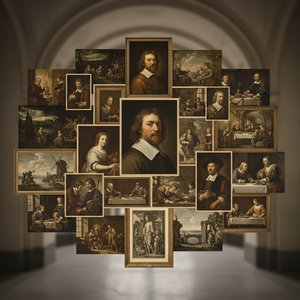
Rembrandt van Rijn: Top 25 mistrovských děl pro váš interiér | AllPaintingsStore.cz
Prozkoumejte 25 nejlepších děl Rembrandta van Rijna – od portrétů po biblické scény. Objevte příběhy, techniky a inspiraci nizozemského baroka. Reprodukce obrazů pro váš interiér na AllPaintingsStore.cz.

Jan van Goyen: Master of Dutch Landscape & Atmospheric Perspective
Discover Jan van Goyen, the master of Dutch landscape painting. Explore his subtle technique, atmospheric realism & lasting influence on art history. Learn about this 17th-century pioneer at AllPaintingsStore.


