


 Zobrazit v interiéru
 Odeslat
 Sdílet
 Podrobnosti
 Průvodce

 Stáhnout obrázek
 Podobné kousky
 Rentgenové snímky
 Slideshow
 Statistiky
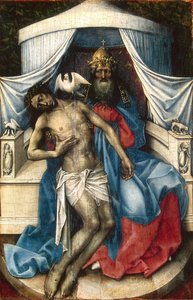
Panely Flémalle
 Akryl na plátně
- Obrazová tvorba na stěnu
- Early Netherlandish Renaissance
 1430
1430 61.0 x 148.0 cm
 Städelovo muzeum
 Přečíst si více
Ručně malovaná olejová reprodukce
Ručně malované olejné plátno v libovolném rozměru i s rámem, vyrobené našimi umělci na zakázku. ( Přepnout na tiskové verze Přepnout na digitální verzi obrazu)




P118B $10

P118H $10

P118W $10

P438Z $10

P508JH $12

P508YH $12

P805H $10

P805Z $10

P919BZ $10

P919G $10

P919XJ $10

P959ZH $10

P968JZ $12

W106C $8

W218G $10

W218JH $8

W218Y $10

W307PJ $10

W316G $10

W316PJ $8

W316Y $10

W398PJ $8

W4111J $10

W500HY $15

W500JH $15

W692G $12

W849H $8

W940BG $15

W953PJ $8




Vyberte si z našich přednastavených velikostí, které odpovídají původním proporcím díla.

Můžete zadat vlastní rozměry pro konkrétní rám nebo prostor. Pokud se vámi vybraná velikost neshoduje s proporcemi původního obrazu, dílo buď ořízneme, nebo jej doplníme ručně malovanými prvky. Před zahájením výroby vám bude zaslán digitální náhled ke schválení.
Upozorňujeme, že náhled na obrazovce neodpovídá skutečnému ořezu ani rozšíření. Pouze digitální náhled přesně zobrazí finální kompozici.
Ačkoliv je možné zvolit vlastní velikost, pro zachování původních proporcí doporučujeme vybrat rozměr z předdefinovaného seznamu.
Po přijetí objednávky vám tým AllPaintingsStore.com zašle e-mail s pokyny a poskytne náhledovou verzi.
Celosvětová doprava () za 3–4 týdny namísto standardních 5 týdnů. (21 září). Bez kompromisů v kvalitě.

Zdarma celosvětová expresní doprava

Vysoce kvalitní lněné plátno

Úplné pojištění přepravy

Záruka vrácení celního poplatku

Záruka věrného barevného shodu

100dení lhůta pro vrácení zboží (pouze při vadách výroby)

100% garance vrácení peněz

Sleva při více objednávkách
 Skleněná varianta je dostupná pouze u rozměrů menších než 110 cm

Panely Flémalle
Technika provedení
Velikost reprodukce
-


Celková cena
$ 258
Robert Campin (Master of Flémalle): A Window into Early Netherlandish Soul
Jean-Baptiste Mongeau, a figure largely absent from mainstream art historical narratives, nevertheless deserves recognition as an artist who profoundly explored themes of memory and fleeting beauty – anticipating the sensibilities that would characterize later Symbolist painters. His work stands apart due to its sensitivity and meticulous observation of detail, offering a glimpse into the artistic landscape of France during the turbulent period between 1778 and his untimely death in 1444. While overshadowed by more celebrated contemporaries, Mongeau’s oeuvre reveals an artist deeply attuned to the human condition. The Flémalle Panels – A Study in Domestic Tranquility and Spiritual Reflection This captivating depiction, executed circa 1430, showcases Robert Campin, commonly known as Master of Flémalle, at the pinnacle of Early Netherlandish painting. The artwork portrays two men engaged in a poignant tableau: one gently cradling the other’s arm, their gaze directed downwards towards an unseen object – perhaps a prayer book or a cherished keepsake. Scattered amongst these central figures are smaller individuals, subtly interwoven into the scene, suggesting a vibrant community life within a domestic setting. Technique and Style: Pioneering Oil Painting Innovation Campin's mastery lies not merely in capturing likeness but in conveying emotion with remarkable precision. He employed innovative oil painting techniques – notably mirroring those utilized by Gentile da Fabriano in the Madonnina di Tamburini – marking him as a trailblazer in his era. The meticulous layering of pigment, achieved through painstaking brushwork, creates an illusionistic depth that transcends mere representation. This technique allowed Campin to capture subtle nuances of light and shadow, imbuing the scene with atmospheric realism. Unlike tempera paintings prevalent at the time, oil paint offered unparalleled flexibility and luminosity, enabling Campin to achieve a level of expressive power unattainable by earlier mediums. Historical Context: The Dawn of Renaissance Sentimentality The Flémalle Panels emerged during a pivotal moment in European artistic history – the transition from Gothic formalism towards Renaissance humanism. However, Campin’s work diverges significantly from the idealized depictions favored by humanist artists. Instead, he presents a scene rooted in everyday life, imbued with palpable tenderness and compassion. This focus on domestic intimacy reflects a burgeoning interest in psychological realism, foreshadowing the emotional depth that would characterize subsequent artistic movements. The panel's placement within Strossmayer Gallery underscores its significance as an exemplar of Early Netherlandish art—a testament to Campin’s enduring legacy. Symbolism: Gesture and Reverence – Expressions of Faith and Connection Beyond its visual realism, the painting resonates with symbolic meaning. The posture of the men embodies reverence and care, conveying a profound connection between individuals. The downward gaze symbolizes contemplation and prayer, highlighting the spiritual dimension of domestic life. These gestures are rendered with exquisite sensitivity, reflecting Campin’s belief in capturing not just what is seen but also what is felt—a characteristic that distinguishes him from many of his contemporaries and anticipates the expressive concerns of Symbolist painters like Stefano da Verona. Galerie Alte - Neue Meister: A Celebration of Artistic Heritage A visit to Galerie Alte - Neue Meister provides an opportunity to appreciate Campin’s contribution alongside masterpieces spanning centuries, demonstrating how artistic traditions evolve while retaining core values. The Flémalle Panels stand as a beacon of Early Netherlandish artistry—a reminder that beauty and emotion can coexist within the confines of seemingly simple depictions.Související díla




Biografie umělce
The Shadowed Canvas: Exploring the Life and Art of Jean-Baptiste Mongeau
Jean-Baptiste Mongeau, a name perhaps less familiar than his contemporaries in the burgeoning Romantic movement, nevertheless carved out a unique and profoundly evocative space within French art during the late 18th and early 19th centuries. Born in Lyon in 1778, Mongeau’s life was inextricably linked to the tumultuous social and political shifts of his time – the rise of revolutionary fervor, the Napoleonic era, and the subsequent restoration. While he never achieved widespread fame during his lifetime, a closer examination of his work reveals a deeply sensitive artist grappling with themes of memory, loss, and the ephemeral nature of beauty, anticipating many of the concerns that would define later Symbolist painters. Mongeau’s early life offered little indication of the artistic path he would ultimately pursue. His father was a silk merchant, a practical profession in the heart of Lyon's textile industry. However, young Jean-Baptiste displayed an unusual aptitude for drawing and painting from a remarkably young age, initially sketching designs for his family’s business and later capturing the vibrant scenes of the city’s bustling markets and canals. He received informal instruction from a local artisan, mastering the fundamentals of oil paint and composition before embarking on a period of self-directed study, fueled by an intense curiosity about the world around him. Crucially, he was exposed to the works of Jacques-Louis David, whose Neoclassical style initially exerted a strong influence – evidenced in his early portraits and historical scenes, characterized by precise detail and idealized forms. A pivotal moment in Mongeau’s artistic development occurred during his time serving as an artillery officer in Napoleon's campaigns. The horrors he witnessed on the battlefield—the carnage, the suffering, and the sheer waste of human life—profoundly impacted him. This experience marked a dramatic shift away from the polished formality of Neoclassicism and towards a more introspective and emotionally charged style. He began to explore darker subjects – landscapes imbued with melancholy, portraits reflecting inner turmoil, and allegorical scenes that hinted at the fragility of existence. His palette darkened considerably, favoring somber blues, greens, and browns, punctuated by flashes of intense color used sparingly to heighten emotional impact. The influence of Romanticism, particularly the emphasis on subjective experience and the sublime, became increasingly apparent. Mongeau’s artistic style is often described as “atmospheric realism.” He wasn't interested in simply replicating reality; instead, he sought to capture its essence—its mood, its feeling. His landscapes are particularly notable for their evocative use of light and shadow, creating a sense of depth and mystery. He frequently depicted scenes of twilight or dawn, using diffused light to suggest the passage of time and the inevitability of decay. His portraits, in contrast to the idealized representations common at the time, were characterized by an unsettling honesty—a willingness to portray the subject’s vulnerabilities and anxieties. He employed a loose brushstroke technique, layering colors to create a hazy, dreamlike quality that further enhanced the sense of emotional resonance. A key element of his work is the use of *grisaille*, a monochrome painting technique, often used in underpaintings to establish form and tone before adding color. Among Mongeau’s most celebrated works are “The Fallen Soldier” (1808), a haunting depiction of a lone figure slumped amidst the wreckage of battle, and "Memory's Embrace" (1815), an allegorical painting that explores the themes of loss and remembrance. “The Fallen Soldier,” in particular, is considered a seminal work of Romantic art in France, capturing not just the physical devastation of war but also the profound psychological trauma it inflicted. It’s notable for its lack of explicit gore; instead, Mongeau focuses on the soldier's posture, his face etched with despair, and the desolate landscape surrounding him—a powerful indictment of conflict without resorting to sensationalism. His later works often featured recurring motifs – wilting flowers, decaying fruit, and solitary figures gazing into the distance—all symbols of mortality and the transience of beauty. Despite a relatively modest output during his lifetime, Mongeau’s influence on subsequent generations of French artists is undeniable. His emphasis on emotional expression, his exploration of dark themes, and his innovative use of light and color foreshadowed many of the developments that would characterize the Symbolist movement. His work was largely overlooked until the late 20th century when a renewed interest in Romanticism led to a reassessment of his artistic legacy. Today, Jean-Baptiste Mongeau is recognized as a significant, if often misunderstood, figure in French art history—an artist who dared to confront the darker aspects of human experience and capture their essence on canvas with remarkable sensitivity and power.Key Works
- The Fallen Soldier (1808): A poignant depiction of a fallen soldier, embodying the horrors of war and the psychological toll it exacts.
- Memory’s Embrace (1815): An allegorical painting exploring themes of loss, remembrance, and the fleeting nature of beauty.
- Twilight on the Rhône (c. 1810): A landscape capturing the melancholic beauty of a twilight scene along the river.
- Portrait of Madame Dubois (1805): A strikingly honest portrait revealing the subject’s inner anxieties and vulnerabilities.

master of flémalle
1444 , Belgium
Související články

Oil on Canvas: A Historical & Technical Exploration of a Timeless Artistic Medium
Explore the rich history & enduring techniques of oil painting on canvas. Discover the science behind its longevity, conservation practices, and contemporary relevance. Expert insights for art enthusiasts.

The Enduring Power of Painting: A Historical & Contemporary Exploration of Form and Emotion
Explore the rich history & enduring techniques of oil painting with AllPaintingsStore. Discover masterpieces, learn about art collecting, and find authentic handmade reproductions crafted by skilled artists.

The Enduring Legacy of Oil on Canvas: Technique, History & Aesthetic Impact
Explore the rich history & techniques of oil painting – from Renaissance masters to Impressionism. Discover pigments, layering methods, and why this timeless medium endures. Expert insights for artists & art enthusiasts.

Trvalý odkaz olejomalby: Technika, historie a současná praxe
Prozkoumejte historii a techniky olejomalby s námi! Od středověku po současnost – detailní průvodce pro milovníky umění a profesionály. Objevte tajemství mistrů a inspirujte se.

Robert Campin: Pioneering Realism & Spiritual Depth in Early Netherlandish Painting
Explore the revolutionary work of Robert Campin, a pioneer of Early Netherlandish painting. Discover his naturalistic style, religious symbolism in masterpieces like the Mérode Altarpiece, and lasting influence on art history.


