Zobrazit v interiéru
 Odeslat
 Sdílet
 Podrobnosti
 Průvodce

 Stáhnout obrázek
 Podobné kousky
 Rentgenové snímky
 Slideshow
 Statistiky
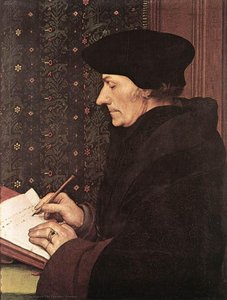
Thomas Cromwell
 Akryl na plátně
- Obrazová tvorba na stěnu
- Severní Renesance
 1533
1533- Renesance
 78.0 x 64.0 cm
 Frickova sbírka
 Přečíst si více
Ručně malovaná olejová reprodukce
Ručně malované olejné plátno v libovolném rozměru i s rámem, vyrobené našimi umělci na zakázku. ( Přepnout na tiskové verze Přepnout na digitální verzi obrazu)




P118B $10

P118H $10

P118W $10

P438Z $10

P508JH $12

P508YH $12

P805H $10

P805Z $10

P919BZ $10

P919G $10

P919XJ $10

P959ZH $10

P968JZ $12

W106C $8

W218G $10

W218JH $8

W218Y $10

W307PJ $10

W316G $10

W316PJ $8

W316Y $10

W398PJ $8

W4111J $10

W500HY $15

W500JH $15

W692G $12

W849H $8

W940BG $15

W953PJ $8




Vyberte si z našich přednastavených velikostí, které odpovídají původním proporcím díla.

Můžete zadat vlastní rozměry pro konkrétní rám nebo prostor. Pokud se vámi vybraná velikost neshoduje s proporcemi původního obrazu, dílo buď ořízneme, nebo jej doplníme ručně malovanými prvky. Před zahájením výroby vám bude zaslán digitální náhled ke schválení.
Upozorňujeme, že náhled na obrazovce neodpovídá skutečnému ořezu ani rozšíření. Pouze digitální náhled přesně zobrazí finální kompozici.
Ačkoliv je možné zvolit vlastní velikost, pro zachování původních proporcí doporučujeme vybrat rozměr z předdefinovaného seznamu.
Po přijetí objednávky vám tým AllPaintingsStore.com zašle e-mail s pokyny a poskytne náhledovou verzi.
Celosvětová doprava () za 3–4 týdny namísto standardních 5 týdnů. (22 září). Bez kompromisů v kvalitě.

Zdarma celosvětová expresní doprava

Vysoce kvalitní lněné plátno

Úplné pojištění přepravy

Záruka vrácení celního poplatku

Záruka věrného barevného shodu

100dení lhůta pro vrácení zboží (pouze při vadách výroby)

100% garance vrácení peněz

Sleva při více objednávkách
 Skleněná varianta je dostupná pouze u rozměrů menších než 110 cm

Thomas Cromwell
Technika provedení
Velikost reprodukce
-


Celková cena
$ 258
Thomas Cromwell: Portrait of Power and Faith
Hans Holbein the Younger’s depiction of Thomas Cromwell stands as one of the most arresting images from Henry VIII's reign—a testament to Holbein’s unparalleled ability to capture not merely likeness, but also character and psychological depth. Completed in 1533, this oil on panel painting transcends mere representation; it embodies the anxieties and ambitions that defined a pivotal moment in English history.
The Artist’s Vision: Renaissance Humanism Meets Northern Realism
Holbein's artistic lineage blended Italian humanist ideals with the meticulous observation characteristic of Northern European art. Influenced by Leonardo da Vinci and Michelangelo, Holbein embraced anatomical accuracy—a hallmark of Renaissance scholarship—yet tempered it with a distinctly Germanic sensibility. This fusion resulted in a style that prioritized clarity and precision while simultaneously conveying subtle emotional nuances.
A Symbolically Charged Composition
The painting’s arrangement is deliberately restrained yet profoundly significant. Cromwell sits behind a chair draped in dark fabric, symbolizing authority and stability—a stark contrast to the turbulent political landscape of Tudor England. A book rests on the chair’s surface, representing knowledge and intellectual contemplation—traits Holbein attributed to his subjects. Notably, Cromwell gazes directly at the viewer with unwavering intensity, conveying confidence and determination.
The Significance of Detail: Technique and Texture
Holbein's mastery of technique is evident in every brushstroke. He employed glazing – applying thin layers of translucent paint over previous coats—to achieve luminous skin tones and subtle gradations of color. The artist meticulously rendered Cromwell’s clothing, capturing the texture of velvet and satin with remarkable realism. These details underscore Holbein’s commitment to portraying his subjects with unflinching accuracy.
A Window into Tudor Anxiety
More than just a portrait, “Portrait of Thomas Cromwell” reflects the anxieties surrounding Henry VIII's religious reforms. The dimly lit room contributes to an atmosphere of seriousness and contemplation—a visual echo of the weighty decisions shaping England’s future. Holbein’s portrayal captures Cromwell’s inner turmoil as he wrestled with the challenges posed by papal opposition and the complexities of navigating the treacherous currents of royal politics.
Currently housed at The Frick Collection in New York City, “Portrait of Thomas Cromwell” represents a remarkable survivor from the Tudor era. Its preservation ensures that future generations can appreciate Holbein’s artistic genius and contemplate the enduring legacy of Henry VIII's reign.
Související díla


Biografie umělce
A Life Etched in Detail: The World of Hans Holbein the Younger
Born around 1497 in Augsburg, Germany, Hans Holbein the Younger emerged as a defining figure of the Northern Renaissance—a master portraitist whose work continues to resonate with breathtaking realism and psychological depth. His upbringing within an artistically gifted family laid the foundation for his exceptional talent; his father, Hans Holbein the Elder, was a respected painter and printmaker who instilled in young Hans a meticulous approach to observation and technique. This early training wasn’t merely about mastering brushstrokes or mixing pigments—it was about learning to *see*, to capture not just likeness but the very essence of a subject. Holbein's initial artistic explorations occurred within his father’s workshop, where he honed his skills before embarking on a journey that would lead him through Switzerland and ultimately to the heart of the English court.From Basel to the Tudor Court: A Rising Star
After completing his apprenticeship, Holbein traveled extensively throughout Switzerland, establishing himself as an independent artist with a growing reputation. He spent several formative years in Basel, creating not only striking portraits but also religious works and intricate woodcut designs—most notably the haunting series depicting the *Dance of Death*. These early pieces reveal a burgeoning mastery of composition and a developing fascination with capturing the complexities of human emotion. He admired the work of Albrecht Dürer and other German masters while also studying Italian art during his travels, absorbing their techniques and incorporating them into his own unique style. Holbein’s innovative compositions further enhanced the impact of his work, often employing symbolic objects or backgrounds to convey deeper meaning. It was in 1526 that fate intervened, drawing Holbein towards England, an event that would irrevocably alter his artistic trajectory. He arrived bearing a letter of introduction from Erasmus, the renowned humanist scholar, which opened doors to the influential circles of English society. His talent quickly captivated prominent figures like Sir Thomas More, who became both a patron and a subject for several compelling portraits. This connection proved pivotal, leading Holbein’s appointment as a court painter to King Henry VIII in 1536—a position he held, with some interruptions, until his untimely death in 1543.The Art of Perception: Style and Masterpieces
Holbein's artistic style is characterized by an extraordinary commitment to realism, achieved through painstaking attention to detail in rendering textures, fabrics, and the subtle nuances of facial features. He didn’t simply *paint* portraits; he meticulously constructed them, layer upon layer, capturing not just physical appearances but also the personality and inner life of his sitters. His use of chiaroscuro—the dramatic interplay of light and shadow—created a palpable sense of depth and atmosphere, enhancing the psychological impact of his images. He was particularly adept at portraying human emotion with remarkable accuracy, conveying feelings of solemnity, contemplation, and even vulnerability. The Ambassadors (1533) stands as a testament to this approach—a complex and symbolically rich double portrait showcasing both Holbein’s technical brilliance and intellectual depth. The anamorphic skull subtly embedded within the painting serves as a stark *memento mori*, reminding viewers of the inevitability of death. His numerous portraits of Henry VIII established a lasting image of royal power, while his depiction of Erasmus of Rotterdam captures the scholar's profound intellectual gravitas. Other notable works include the stunning *Portrait of Nikolaus Kratzer* (1528), a masterpiece of realism and scientific detail—a reflection of Holbein’s fascination with humanist scholarship and observation.Legacy and Influence: A Lasting Impression
Holbein’s artistic journey was shaped by a confluence of influences, blending the precision of German artistic traditions with the compositional principles of the Italian Renaissance. He admired the work of Albrecht Dürer and other German masters while also studying Italian art during his travels, absorbing their techniques and incorporating them into his own unique style. His legacy is profound; Holbein’s portraits set a new standard for realism and psychological insight in portraiture, influencing generations of artists who followed. He didn't merely record appearances—he captured moments in time, preserving them for posterity. His depictions of key figures during the Tudor period provide invaluable insights into the lives and personalities of those who shaped English history. He was a true innovator, pushing the boundaries of artistic expression while simultaneously upholding the highest standards of craftsmanship. Holbein’s work continues to inspire artists today—a testament to his enduring genius and the timeless beauty of his vision.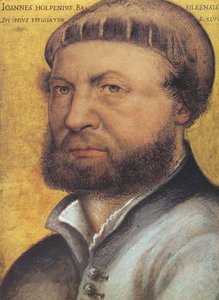
Hans Holbein ml.
1497 - 1543 , Německo
Rychlé informace
- Artistic Movement Or Style: Severní Renesance
- Artists Or Movements Influenced By This Artist: ['Pozdější portrétisté']
- Artists Who Influenced This Artist: ['Albrecht Dürer']
- Date Of Birth: c. 1497/98
- Full Name: Hans Holbein der Jüngere
- Nationality: Německý, Švýcarský
- Notable Artworks:
- Ambasadéři
- Portrét Jindřicha VIII.
- Nikolaus Kratzer
- Place Of Birth: Augsburg, Německá republika
Související články

Top 10 děl Fauvismu: Umělecké mistrovské kousky a inspirace pro váš interiér
Prozkoumejte 10 ikonických děl fauvismu od Matisse, Deraina a dalších. Objevte příběhy za expresionistickými barvami a revolučním uměleckým stylem. Najděte inspiraci pro váš interiér s reprodukcemi nejvyšší kvality na AllPaintingsStore.com.

Hans Holbein the Younger: A Renaissance Portraitist's Mastery of Realism & Psychological Insight
Explore the life & art of Hans Holbein the Younger, a Renaissance master renowned for his strikingly realistic portraits and psychological insight. Discover iconic works like 'The Ambassadors' and delve into his lasting legacy.
Henri Matisse: Top 25 děl mistra barev a dekorace pro váš domov | AllPaintingsStore.com
Prozkoumejte 25 ikonických děl Henri Matisse – mistra barev a fauvismu. Objevte příběhy za slavnými obrazy, techniky a inspiraci pro váš interiér. Reprodukce obrazů nejvyšší kvality na AllPaintingsStore.com.

William Henry Pyne: A Topographical Vision of Early 19th-Century England – Art, Society & Watercolour's Rise
Explore the captivating world of William Henry Pyne (1769-1843), a key figure in early 19th-century English art. Discover his stunning watercolours, architectural studies & contribution to the rise of watercolour painting. Learn about this fascinating artist's life and legacy.

Mastering Detail: The Captivating World of Hans Holbein the Younger’s Northern Renaissance Masterpieces
Explore the breathtaking precision of Hans Holbein the Younger. From Tudor royal portraits to intricate Northern Renaissance details, discover the mastery behind his legendary works and learn how to bring this historical grandeur into your collection with museum-quality reproductions.