Zobrazit v interiéru
 Odeslat
 Sdílet
 Podrobnosti
 Průvodce

 Stáhnout obrázek
 Podobné kousky
 Rentgenové snímky
 Slideshow
 Statistiky
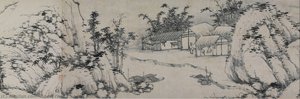
Výlet na jaře
 Akryl na plátně
- Obrazová tvorba na stěnu
- Chinese Traditional Art
 356.0 x 34.0 cm
 Hong Kong Museum of Art
 Přečíst si více
Ručně malovaná olejová reprodukce
Ručně malované olejné plátno v libovolném rozměru i s rámem, vyrobené našimi umělci na zakázku. ( Přepnout na tiskové verze Přepnout na digitální verzi obrazu)




P118B $10

P118H $10

P118W $10

P438Z $10

P508JH $12

P508YH $12

P805H $10

P805Z $10

P919BZ $10

P919G $10

P919XJ $10

P959ZH $10

P968JZ $12

W106C $8

W218G $10

W218JH $8

W218Y $10

W307PJ $10

W316G $10

W316PJ $8

W316Y $10

W398PJ $8

W4111J $10

W500HY $15

W500JH $15

W692G $12

W849H $8

W940BG $15

W953PJ $8




Vyberte si z našich přednastavených velikostí, které odpovídají původním proporcím díla.

Můžete zadat vlastní rozměry pro konkrétní rám nebo prostor. Pokud se vámi vybraná velikost neshoduje s proporcemi původního obrazu, dílo buď ořízneme, nebo jej doplníme ručně malovanými prvky. Před zahájením výroby vám bude zaslán digitální náhled ke schválení.
Upozorňujeme, že náhled na obrazovce neodpovídá skutečnému ořezu ani rozšíření. Pouze digitální náhled přesně zobrazí finální kompozici.
Ačkoliv je možné zvolit vlastní velikost, pro zachování původních proporcí doporučujeme vybrat rozměr z předdefinovaného seznamu.
Po přijetí objednávky vám tým AllPaintingsStore.com zašle e-mail s pokyny a poskytne náhledovou verzi.
Celosvětová doprava () za 3–4 týdny namísto standardních 5 týdnů. (21 září). Bez kompromisů v kvalitě.

Zdarma celosvětová expresní doprava

Vysoce kvalitní lněné plátno

Úplné pojištění přepravy

Záruka vrácení celního poplatku

Záruka věrného barevného shodu

100dení lhůta pro vrácení zboží (pouze při vadách výroby)

100% garance vrácení peněz

Sleva při více objednávkách
 Skleněná varianta je dostupná pouze u rozměrů menších než 110 cm

Výlet na jaře
Technika provedení
Velikost reprodukce
-


Celková cena
$ 283
Shen Zhou: A Masterpiece of Tranquility – Exploring “Spring Outing”
“Spring Outing,” painted by Shen Zhou (1427–1509), stands as a cornerstone of Wu School painting and embodies the profound aesthetic ideals prevalent during Ming Dynasty China. More than just a depiction of a scenic vista, it’s an invitation into a contemplative space where nature harmoniously intertwines with human presence—a testament to Shen Zhou's masterful command of technique and his deep understanding of artistic symbolism.
- Style & Medium: The artwork exemplifies traditional Chinese ink wash painting (Shui-mo hua), prioritizing subtlety and capturing the essence of a moment rather than striving for photographic realism. Primarily executed in black ink on rice paper, Shen Zhou skillfully employs wet brushwork alongside dry brushstrokes to achieve remarkable textural depth and luminosity.
- Composition & Perspective: The horizontal format—a hallmark of scroll paintings—creates a sense of expansive serenity. Layers of rocky hills frame a central area populated by buildings and figures, subtly guiding the viewer’s gaze towards distant peaks bathed in diffused light. This deliberate perspective reinforces the feeling of vastness and invites contemplation on the relationship between humanity and the natural world.
- Color Palette & Texture: Remarkably devoid of color beyond shades of gray—achieved through nuanced ink density variations—the palette underscores the Wu School’s preference for understated elegance. The meticulous application of hemp-fibre texture strokes, particularly in the depiction of rocks, imparts a palpable tactile quality, mirroring the rugged beauty of the landscape.
- Subject Matter & Symbolism: Beyond its picturesque representation of springtime scenery—complete with blossoming peach trees and flowing willow branches—the painting speaks to themes of resilience and harmony. The solitary scholar’s presence symbolizes intellectual pursuit amidst the grandeur of nature, reflecting Confucian ideals that championed balance between human endeavor and reverence for the cosmos.
- Historical Context & Influence: Shen Zhou's work draws heavily from the artistic legacy of Yuan Dynasty masters like Huang Gongwang and Ni Zan—artists who pioneered techniques of atmospheric perspective and employed expressive brushstrokes to convey emotion. “Spring Outing” represents a culmination of these influences, securing Shen Zhou’s place as one of the Four Masters of Ming and establishing him as an enduring symbol of Chinese artistic excellence.
Further research into Shen Zhou's life and artistic philosophy reveals a man deeply committed to scholarly pursuits and spiritual contemplation—a dedication that profoundly shaped his oeuvre. His meticulous attention to detail, combined with his masterful manipulation of ink and paper, ensures that “Spring Outing” continues to inspire admiration for generations.
Související díla


Biografie umělce
A Life Dedicated to Art and Contemplation
Shen Zhou, a name synonymous with the flourishing of scholar-artist ideals in Ming dynasty China, was born in 1427 near Suzhou into a family whose wealth stemmed from both land ownership and service as tax collectors. This fortunate circumstance afforded him an upbringing steeped in learning and cultural refinement, yet he consciously chose a path diverging from the conventional expectations of his social standing. Rather than pursuing official examinations and a career within the imperial bureaucracy, Shen Zhou dedicated himself to filial piety, caring for his widowed mother, Chang Su-wan. This decision wasn’t one of resignation but rather a deliberate embrace of a reclusive life centered on artistic pursuits, intellectual exchange, and quiet contemplation – a lifestyle that would profoundly shape both his art and legacy. He lived a long life, dying in 1509, witnessing significant shifts within the Chinese political and artistic landscape, and ultimately becoming a pivotal figure in defining a new aesthetic direction.The Rise of the Wu School and a Revivalist Spirit
Shen Zhou’s artistic development unfolded during a period of considerable transition in Chinese painting history. The relocation of the Ming capital from Nanjing to Beijing created a cultural distance, lessening the direct influence of imperial tastes and allowing for regional styles to flourish. It was within this environment that Shen Zhou emerged as the founder of the Wu School, based in Suzhou. This wasn’t merely a geographical designation; it represented a conscious revival of artistic principles championed by scholar-painters of the preceding Yuan dynasty. These artists viewed painting not as a profession or a means to courtly favor, but as an integral part of self-cultivation – a meditative practice reflecting one's inner world and understanding of the universe. The Wu School painters deliberately distanced themselves from the more formal, technically precise style favored by the Ming court, seeking instead a return to the expressive freedom and individualistic spirit of earlier masters.Mastering Tradition, Forging a Unique Style
Shen Zhou’s artistic foundations were deeply rooted in the legacy of Yuan dynasty painters like Wang Meng, Huang Gongwang, and Wu Zhen. He meticulously studied their techniques, absorbing their compositional strategies and brushwork nuances. However, he wasn't simply an imitator; he possessed a remarkable ability to synthesize these influences with his own innovative sensibilities. His landscapes are particularly celebrated for their meticulous detail, reflecting both a reverence for Chinese history and the philosophical underpinnings of Confucianism. He also became renowned for his distinctive “boneless” flower paintings – delicate renderings of blossoms and foliage achieved without strong outlines, echoing the ethereal quality found in the works of Yuan masters. This technique demanded exceptional control over ink wash and an intuitive understanding of form. Beyond technical skill, Shen Zhou’s work is characterized by a harmonious integration of painting, poetry, and calligraphy. He frequently collaborated with fellow artists, engaging in gatherings where these art forms intertwined, creating holistic expressions of artistic vision. The accompanying poems were not mere embellishments but integral components of the artwork itself, adding layers of meaning and emotional resonance.A Lasting Legacy: The Four Masters and Beyond
Shen Zhou’s impact on Chinese art history is immeasurable. His establishment of the Wu School fostered a new generation of scholar-artists who carried forward his ideals of artistic independence and expressive freedom. He is rightfully regarded as one of the “Four Masters of Ming,” alongside Wen Zhengming, Tang Yin, and Qiu Ying – a testament to his enduring influence and exceptional talent. His art continues to be studied and admired for its technical brilliance, profound philosophical depth, and embodiment of the scholar-artist ideal. Shen Zhou’s work represents not just a revival of past traditions but a vital contribution to the ongoing evolution of Chinese painting, shaping the course of Ming dynasty aesthetics and leaving an indelible mark on subsequent generations of artists. He remains a significant figure whose serene landscapes and delicate floral studies continue to captivate and inspire.
Shen Zhou
1427 - 1509 , China
Rychlé informace
- Artistic Movement Or Style: Wu School
- Artists Or Movements Influenced By This Artist:
- Wen Zhengming
- Tang Yin
- Qiu Ying
- Wu School
- Artists Who Influenced This Artist:
- Wang Meng
- Huang Gongwang
- Wu Zhen
- Date Of Birth: 1427
- Date Of Death: 1509
- Full Name: Shen Zhou
- Nationality: Chinese
- Notable Artworks:
- Landscape with Four Pines
- Marsh Scene with Birds
- Autumn Colors among Streams…
- Place Of Birth: Xiangcheng, China
Související články
Ephemeral Expressions: Exploring the Nuances of Ink on Paper Through History & Contemporary Art
Explore the captivating world of ink wash painting – from its ancient origins to contemporary masters. Discover techniques, symbolism & conservation insights with AllPaintingsStore.com.

Katsushika Hokusai: 25 mistrovských děl japonského umění pro váš interiér | AllPaintingsStore.com
Prozkoumejte 25 ikonických děl japonského mistra Katsushiky Hokusaiho! Objevte příběhy za Velkou vlnou, 36 pohledů na horu Fuji a další ukiyo-e tisků. Kvalitní reprodukce obrazů pro váš interiér na AllPaintingsStore.com.

The Beauty of Ink Wash: Discover Serene & Soulful Art for Your Home
Discover the tranquil beauty of ink wash painting. Explore how Sumi-e and monochrome landscapes bring Zen-inspired serenity and soulful elegance to your home decor through expert curation and timeless East Asian aesthetics.

Xie Zhiliu: A Legacy of Ink Wash Painting & Modern Chinese Literati Tradition
Explore the legacy of Xie Zhiliu, a master of Chinese ink wash painting & prominent figure in modern art. Discover his techniques, influences, and contributions to literati tradition. A guide for discerning collectors.
The Alchemy of Ink: Mastering the Timeless Beauty and Art History of Paper and Brush
Embark on a sophisticated exploration of ink wash painting and Sumi-e. Uncover the profound historical lineages, Zen philosophies, and technical mastery behind this timeless medium in our authoritative guide for fine art enthusiasts.