


 Zobrazit v interiéru
 Odeslat
 Sdílet
 Podrobnosti
 Průvodce

 Stáhnout obrázek
 Podobné kousky
 Rentgenové snímky
 Slideshow
 Statistiky
The Supper at Emmaus


 Přečíst si více
Ručně malovaná olejová reprodukce
Ručně malované olejné plátno v libovolném rozměru i s rámem, vyrobené našimi umělci na zakázku. ( Přepnout na tiskové verze Přepnout na digitální verzi obrazu)




P118B Kč10

P118H Kč10

P118W Kč10

P438Z Kč10

P508JH Kč12

P508YH Kč12

P805H Kč10

P805Z Kč10

P919BZ Kč10

P919G Kč10

P919XJ Kč10

P959ZH Kč10

P968JZ Kč12

W106C Kč8

W218G Kč10

W218JH Kč8

W218Y Kč10

W307PJ Kč10

W316G Kč10

W316PJ Kč8

W316Y Kč10

W398PJ Kč8

W4111J Kč10

W500HY Kč15

W500JH Kč15

W692G Kč12

W849H Kč8

W940BG Kč15

W953PJ Kč8




Vyberte si z našich přednastavených velikostí, které odpovídají původním proporcím díla.

Zadejte šířku a výšku, které potřebujete pro váš rám nebo stěnu. Protože se jedná o ruční malbu, při výběru jiného formátu může umělec kolem obrazu domalovat o něco více, nebo jej mírně oříznout — rozhodnete si vy. Před zahájením malby vám zašleme digitální náhled ke schválení. Obraz zobrazený na této stránce neodpovídá skutečnému výsledku — pouze digitální náhled jej zobrazuje.
Po přijetí objednávky vám tým AllPaintingsStore.com zašle e-mail s pokyny a poskytne náhledovou verzi.
Celosvětová doprava () za 3–4 týdny namísto standardních 5 týdnů. (24 říjen). Bez kompromisů v kvalitě.

Zdarma celosvětová expresní doprava

Vysoce kvalitní lněné plátno

Úplné pojištění přepravy

Záruka vrácení celního poplatku

Záruka věrného barevného shodu

100dení lhůta pro vrácení zboží (pouze při vadách výroby)

100% garance vrácení peněz

Sleva při více objednávkách
 Skleněná varianta je dostupná pouze u rozměrů menších než 110 cm

The Supper at Emmaus
Technika provedení
Velikost reprodukce
-


Celková cena
Kč 5511
A Moment of Revelation: The Story Behind Titian’s “Supper at Emmaus”
Titian’s “Supper at Emmaus,” a painting steeped in the profound drama of the Gospels, isn't merely a depiction of a biblical scene; it’s an invitation into a moment of spiritual awakening. Completed around 1534, this work transcends its religious subject matter to become a powerful meditation on faith, doubt, and the transformative power of encountering the divine. The painting captures the pivotal encounter between Jesus Christ and two disciples on their journey to Emmaus—an event that fundamentally altered their understanding of his resurrection. It’s a scene brimming with quiet intensity, a carefully constructed tableau designed to resonate deeply with viewers across centuries.
The composition itself is masterfully orchestrated. Titian eschews the dramatic gestures and overt expressions often associated with religious art of the period, opting instead for a subtle realism that draws the viewer into the intimate exchange between Jesus and his disciples. The figures are rendered with an almost photographic precision—notice the folds of their garments, the texture of the bread, even the individual strands of wicker in the basket of fruit. This meticulous detail wasn’t simply about accuracy; it was a deliberate choice to ground the ethereal subject matter in a tangible reality, making the miraculous encounter all the more believable and emotionally resonant.
The Venetian Master at Work: Technique and Color
Titian, arguably the greatest colorist of the Renaissance, wields his palette with breathtaking skill in “Supper at Emmaus.” The painting is a symphony of warm hues—rich oranges, deep reds, and earthy browns—that create an atmosphere of both warmth and solemnity. He employs a technique known as ‘sfumato,’ blurring the edges of forms and creating a hazy, atmospheric effect that softens the figures and imbues the scene with a sense of mystery. This is particularly evident in the background, which recedes into a dark, undefined space, drawing attention to the central figures.
Titian’s brushwork is loose and expressive, a departure from the more polished style favored by some of his contemporaries. He uses broad strokes to define shapes and create a sense of movement, while layering thin glazes of color to build up depth and luminosity. The use of gold leaf in the details—the fruit basket, the clothing—adds a touch of opulence and reinforces the sacred nature of the scene. It’s a testament to Titian's understanding that color wasn't just decorative; it was a powerful tool for conveying emotion and meaning.
Symbolism and Spiritual Depth
Beyond its immediate narrative, “Supper at Emmaus” is rich in symbolic detail. The basket of fruit, laden with oranges—a relatively rare sight in Renaissance paintings—is often interpreted as representing the abundance of God’s grace. The scattered crumbs on the table symbolize the broken bread of the Eucharist, a potent reminder of Christ's sacrifice and the communion shared by believers. Even the gesture of Cleopas, reaching out to grasp Jesus’ hand, is laden with significance—it represents the willingness to embrace faith despite doubt.
The painting’s setting itself contributes to its symbolic weight. The dimly lit room suggests a space of contemplation and spiritual searching. It's not a grand or celebratory scene; rather, it’s a quiet moment of revelation, a glimpse into the profound transformation that occurs when one encounters the divine. The figures are not actively engaged in conversation, but their shared gaze speaks volumes—a silent acknowledgment of the miracle they have witnessed.
A Legacy of Faith and Beauty
“Supper at Emmaus” stands as a testament to Titian’s genius and his profound understanding of human emotion. It's a painting that invites viewers to pause, reflect, and consider their own relationship with faith and the possibility of encountering the divine in unexpected places. Reproductions of this masterpiece capture only a fraction of its power—the subtle nuances of color, the delicate brushwork, and the deeply felt sense of spiritual longing that permeate every inch of the canvas. It remains a timeless depiction of one of Christianity’s most poignant stories, rendered with unparalleled beauty and insight.
Otázky a odpovědi
Jak "The Supper at Emmaus" vyvažuje světlo a stín?
„The Supper at Emmaus“ má celkovou jasnost shadow a jeho luminance je Soft Shadow.
Pro jaké místo a za jakým účelem se doporučuje dílo "The Supper at Emmaus"?
Pro použití (Statement) a prostor (Living Room) jsou u díla „The Supper at Emmaus“ od Tiziano Vecellio uvedeny dvě doporučení.
Existují díla podobná jako "The Supper at Emmaus"?
Stránka Podobná díla díla „The Supper at Emmaus“ od Tiziano Vecellio představuje související umělecká díla.
Související díla


Biografie umělce
The Venetian Titan: A Life in Color and Canvas
Tiziano Vecellio, známý pod jménem Titian, představuje monumentální postavu italského Renesansu – možná jeho nejvýznamnější kolorista a mistr, který definoval možnosti malby olejem. Narodil se kolem roku 1490 v Pieve di Cadore, zasazené do dramatických krajin veneta Alp, jeho cesta od skromných začátků k mezinárodnímu uznání je důkazem neuvěřitelného talentu a neochvějné oddanosti umělecké inovacii. Detaily o Titianově raném životě zůstávají částečně zahalené v závoji tajemství, ale víme, že byl jedním z několika dětí narozených Gregoriovi Vecelliovi, vojákovi, a Lucie. Rodina proto uspořádala, aby Tiziano i jeho bratr Francesco byli učni u umělce ve Verceli – rozhodnutí, které neodmyslitelně změnilo chod historie umění. Veneza na přelomu 16. století byla pulzující obchodním, kulturním a uměleckým centrem. Titianův počáteční výcvik probíhal v dílnech Sebastiana Zuccata, mozaikovce, následně krátkodobě pod vedením Gentile Belliniho a především jeho bratra Giovanniho. Ale to spojenectví s Giorgione – umělcem, jehož práce vykazovala éterickou poezii – se ukázalo jako nejvlivnější. Ti dva spolupracovali na několika projektech, včetně vnějších fresk pro Fondaco dei Tedeschi, rušný obchodní dům pro německé obchodníky. I v těchto raných dílech byl Titianův výjimečný talent patrný, získal si uznání mezi svými soudnými umělci a předzvěst blížící se geniality.A Master's Evolving Style
Titianova umělecká tvorba se dá charakterizovat pozoruhodnou rozmanitostí a neustálou snahou o malířské techniky. Jeho rané díla, silně ovlivněná Giorgione, vykazují jemnou lyrickou atmosféru a mistrné používání barev k vytváření atmosférických efektů. Malby jako *A Man with a Quilted Sleeve* (kolem roku 1509) demonstrují jeho rostoucí talent pro portrétování, zachycující nejen fyzické podobnosti svých subjektů, ale i jejich vnitřní charakter. Jak s postupoval, Titian začal odklánět se od Giorgioneových jemných tónů a přijmout odvážnější, dramatickou přístup k barvě. *The Visitation of Mary and Elizabeth* (nyní v Accademia ve Verceli) ukazuje jeho rostoucí jistotu při zachycování složitých kompozic a živé barevnosti. Během svého dlouhého života neustále rozvíjel hranice uměleckého vyjádření. Experimentoval s různými štětcovými pohyby – od hladkých, splečených povrchů po volné, expresivní značky – a vyvinul jedinečnou techniku vrstvení barev k vytváření luminózních efektů. Jeho portréty se staly proslulé svou psychologickou hloubkou a realistickým zobrazením textur a látek. Současně vynikal v malbě mytologických a náboženských témat, obohacoval je o sexualitu a dramatický intenzitní efekt, který okouzlil publikum. Primárním příkladem je *Venus of Urbino*, mistrovské dílo, které definovalo zobrazení ženské nude a etablovalo Titiana jako vedoucí postavu ve venetské malbě.Patronage, Prestige, and Lasting Influence
Titianův talent přilákal pozornost mocných mecenášů po celé Evropě. Byl dvorním malířem císaře Karla V., krále Filipa II. Španělského a papeže Pavla III. mezi dalšími. Tato mecenátská podpora mu nejen zajistila finanční zabezpečení, ale také mu umožnila vytvářet monumentální díla, která ukazovala jeho uměleckou genialitu na velkém měřítku. Jeho schopnost přizpůsobit svůj styl vkusu různých dvorních kruhů a zároveň si zachovat vlastní jedinečný hlas je důkazem jeho mimořádného talentu a diplomatické zručnosti. Titian zemřel ve Verceli v roce 1576 během epidemie moru. Jeho díla jsou k nalezení v muzeích po celém světě, včetně Galleria Palatina ve Florencii, Prado muzea v Madridu a National Gallery v Londýně. K ochutnávce Titiana je nutné navštívit Scuola del Santo ve Padově a San Salvador ve Verceli, kde se nacházejí jeho dechberoucí fresky.Exploring Further
- Museums & Collections: Discover Titian’s works at the Scuola del Santo in Padua and San Salvador in Venice, both showcasing his breathtaking frescoes.
- Related Artists: Explore the influence of Giorgione on Titian's early style and the later impact of Titian on artists like Rubens and Delacroix.
- Historical Context: Immerse yourself in the world of the Italian Renaissance and Venetian painting to fully appreciate Titian’s artistic achievements.
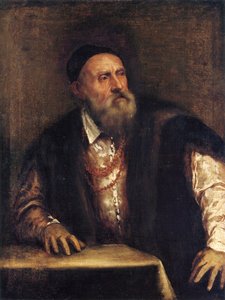
Tiziano Vecellio
1490 - 1576 , Itálie
Rychlé informace
- Artistic Movement Or Style: Benátská malba
- Artists Or Movements Influenced By This Artist:
- Rubens
- Delacroix
- Artists Who Influenced This Artist:
- Giovanni Bellini
- Giorgione
- Date Of Birth: c. 1490
- Date Of Death: 1576
- Full Name: Tiziano Vecellio
- Nationality: Italijský
- Notable Artworks:
- Bacchus a Ariadne
- Venere di Urbino
- Place Of Birth: Pieve di Cadore, Itálie
Související články

Titian: Innovation, Technique & the Venetian Renaissance Portrait Tradition
Explore the revolutionary techniques & enduring legacy of Titian, the master of Venetian Renaissance portraiture. Discover insights for collectors & appreciate his impact on art history.

Masterpieces of the Last Supper: An Art Historian's Journey Through Iconic Depictions of a Sacred Moment
Explore the profound artistry of The Last Supper through an art historian's lens. From Leonardo da Vinci’s genius to diverse Renaissance interpretations, discover the symbolism and technique behind history's most iconic sacred depictions.
Giotto di Bondone: Top 25 mistrovských děl renesance pro váš domov | AllPaintingsStore.com
Objevte 25 ikonických děl Giotta di Bondone – průkopníka renesance! Prozkoumejte fresky, náboženské obrazy a mistrovská díla plná emocí. Najděte umělecké reprodukce pro váš interiér na AllPaintingsStore.com.

Fra Angelico: 25 mistrovských děl renesančního umění pro váš domov | AllPaintingsStore.cz
Objevte 25 ikonických děl Fra Angelica – renesančního mistra andělských freskek a náboženských maleb. Prozkoumejte jeho techniku, inspiraci a duchovní poselství. Luxusní reprodukce obrazů pro váš interiér na AllPaintingsStore.cz
El Greco: 25 mistrovských děl pro váš interiér | AllPaintingsStore.com
Prozkoumejte 25 ikonických děl El Greco – španělského mistra renesance a baroka. Obdivujte jeho duchovní malby, portréty a unikátní styl na AllPaintingsStore.com. Reprodukce obrazů pro váš interiér.


