![Self-portrait With Bandaged Ear [1889] — Vincent Willem Van Gogh](/media/artworks/images-thumb/cc/0d/cc0d0b8530dd182d0391391663b22e84.jpg)


Introduction: The Innate Human Connection to Art
From the ochre handprints adorning cave walls at Lascaux to the soaring cathedrals of the Renaissance, humanity has always sought expression and meaning through art. This isn’t merely a historical quirk; it speaks to a deeply ingrained neurological imperative – our brains are wired for aesthetic experience. We respond viscerally to color, form, and composition, often before conscious thought intervenes. Art bypasses the rational mind, speaking directly to our emotions, memories, and subconscious desires. This inherent connection isn’t simply about beauty; it's about understanding ourselves and the world around us through a lens of feeling, interpretation, and shared human experience. The very act of creation, whether by artist or observer, is a form of emotional processing, a way to grapple with joy, sorrow, fear, and hope.
The Neuroscience of Aesthetic Experience: How Art Affects the Brain
 The Evocation of Serenity: Exploring Emotional Resonance & Aesthetic Qualities in Artworks
Explore the profound connection between art & emotion. Discover how color, composition, and aesthetic qualities evoke serenity. Learn about Impressionism & find artwork to enhance your wellbeing. Handmade oil paintings at AllPaintingsStore.
Modern neuroscience confirms what artists have intuitively known for centuries: art profoundly impacts our brains. Studies utilizing fMRI technology reveal that viewing artwork activates regions associated with pleasure, reward, empathy, and even spiritual transcendence. The amygdala, responsible for processing emotions, lights up in response to compelling imagery. Simultaneously, the prefrontal cortex – the seat of higher-level cognition – engages in interpretation and contextualization. This interplay between emotional and rational centers is crucial; it’s not simply *seeing* a painting but *feeling* it, assigning personal significance, and constructing narratives around its form and content. Furthermore, art can trigger the release of dopamine, creating a sense of euphoria and motivation. The experience isn't passive; our brains actively work to decode and integrate visual information, resulting in a uniquely rewarding sensation. This neurological response explains why we return to artworks that resonate with us, seeking repeated doses of emotional stimulation and cognitive engagement.
Color Psychology & Emotional Resonance in Painting
 Chromatic Resonance: Exploring the Psychological & Aesthetic Impact of Vibrant Colors in Art History
Explore the fascinating relationship between color & emotion in art history. Discover how master artists used vibrant hues to evoke feelings, cultural meanings, and psychological responses. A deep dive for classic art enthusiasts.
The power of color is undeniable. Long before the advent of scientific analysis, cultures understood the symbolic weight of hues. Red, often associated with passion, energy, and danger, evokes a primal response. Blue, conversely, tends to inspire calmness, serenity, and introspection. Artists masterfully manipulate these associations, employing color palettes to guide our emotional journey through their work. Consider the vibrant, almost jarring reds in Ernst Ludwig Kirchner’s “Girls on the Mountain”, reflecting the anxieties of early 20th-century urban life. The bold colors aren't merely decorative; they convey a sense of unease and alienation. Conversely, the soft, ethereal blues and greens in Impressionist landscapes create an atmosphere of tranquility and escape. The subtle gradations of color can evoke feelings of nostalgia, longing, or peaceful contemplation. Understanding these chromatic nuances allows us to appreciate not only the technical skill of the artist but also their deliberate attempt to shape our emotional experience.
Exploring Key Movements: Expressionism, Symbolism, and Impressionism as Pathways to Emotion
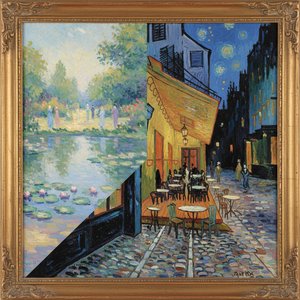
Impressionism was a 19th-century art movement characterized by visible brush strokes, open composition, emphasis on accurate depiction of light in its changing qualities (often accentuating the effects of the passage of time), ordinary subject matter...
Different artistic movements offer distinct pathways to emotional resonance. Impressionism, born from a desire to capture fleeting moments of light and atmosphere, prioritizes subjective perception over objective reality. Artists like Monet sought to convey the *feeling* of a scene rather than its precise details, resulting in works that are often dreamlike and evocative. Expressionism, on the other hand, deliberately distorts form and color to express inner turmoil and psychological states. The raw emotion conveyed in paintings by artists like Edvard Munch is often unsettling but undeniably powerful. Symbolism, emerging as a reaction against realism, utilizes allegorical figures and dreamlike imagery to explore themes of spirituality, mortality, and the subconscious. Gustave Moreau’s “untitled (3986)”, with its intricate detail and fantastical setting, invites viewers into a world of myth and mystery, prompting introspection and contemplation. Each movement offers a unique vocabulary for expressing complex emotions, reflecting the cultural anxieties and philosophical concerns of its time.
Art as Therapy: Harnessing Creativity for Mental Wellbeing
The therapeutic potential of art has been recognized for centuries, but only recently have we begun to understand the underlying mechanisms. Art therapy provides a safe and non-judgmental space for individuals to explore their emotions through creative expression. It’s not about artistic skill; it's about the process itself – the act of painting, sculpting, or drawing can be profoundly cathartic, allowing us to externalize inner conflicts and anxieties. Engaging with art, even as a viewer, can also have therapeutic benefits. Studies show that visiting museums or galleries can reduce stress levels, lower blood pressure, and improve overall mood. The act of focusing on artwork requires mindfulness, diverting attention from negative thoughts and promoting a sense of presence. Furthermore, art can foster empathy and connection by allowing us to glimpse into the experiences of others.
Cultivating a Personal Connection: Building an Art Collection for Emotional Enrichment
Building an art collection isn’t simply about acquiring valuable objects; it's about curating a personal sanctuary that reflects your values, passions, and emotional landscape. Start by identifying artworks that genuinely resonate with you – pieces that evoke strong feelings or spark meaningful conversations. Don’t be afraid to explore different styles and periods; the goal is to create a collection that speaks to *your* unique sensibility. Consider the colors, compositions, and themes that appeal to you most. Do you gravitate towards calming landscapes, bold abstracts, or thought-provoking portraits? At AllPaintingsStore.com, we offer both hand-painted reproductions of classic masterpieces and custom portrait commissions, allowing you to create a collection tailored to your individual tastes and preferences. Whether you’re seeking to enhance your home décor, foster emotional wellbeing, or simply celebrate the beauty of art, our team of experts is here to guide you on your journey. Investing in art isn't merely an aesthetic pursuit; it's an investment in yourself – a tangible expression of your inner world and a source of enduring inspiration.