Záruka vrácení peněz · 100 dní Doprava po celém světě zdarma
612 380umělecká díla 52 888umělci 5 406muzea 32jazyky
Portrét Robert Feke

22 nejznámějších obrazů autora Robert Feke, ze kterých si můžete vybrat

Aktualizováno listopad 2026 · seřazeno podle našeho skóre popularity (vyhledávání, návštěvy a objednávky u každého díla) · 22 děl umělce Robert Feke v našem katalogu

Rychlá odpověď

Mezi obrazy umělce Robert Feke je na prvním místě dílo Pamela Andrews (1741), jehož originál se nachází v Rhode Island School of Design Museum of Art, Providence. Na druhém a třetím místě: Self Portrait (1743) a Anne Shippen Willing (Mrs. Charles Willing) (1746). Náš katalog obsahuje 22 děl umělce Robert Feke. Zde je vybráno 22 nejznámějších děl seřazených podle popularity, včetně roku vzniku a muzea, ve kterém se nachází originál každého díla.

1705 – 1750, Oyster Bay Nejvíce děl: Muzeum umění v Bostonu

Top 10: nejznámější obrazy umělce Robert Feke

Pořadí od 11 do 22: více obrazů od Robert Feke

obrazy autora Robert Feke podle tématu

Čtyři nejčastější témata v tomto žebříčku, včetně nejvýraznějšího díla pro každé z nich.

Muzea, ve kterých jsou vystavena originálna umělce Robert Feke

8 muzea, v nichž je umístěno nejvíce obrazů z této stránky.

Muzeum Město Díla autora Robert Feke Obrazy z tohoto seznamu
Muzeum umění v Bostonu, BostonMuzeum umění v Bostonu Boston 4 Self Portrait, Mary Channing (Mrs. John Channing), John Channing
Rhode Island School of Design Museum of Art, ProvidenceRhode Island School of Design Museum of Art Providence 3 Pamela Andrews, Portrait of Mrs. Tweedy, Portrait of Joseph Whipple Jr.
Harvard Art Museums, CambridgeHarvard Art Museums Cambridge 3 Susannah Speakman Inman (Mrs. Ralph Inman) (1727-1761), Benjamin Franklin (1706-1790), Ralph Inman (1713-1788)
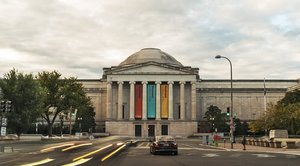
National Gallery of Art, WashingtonNational Gallery of Art Washington 2 Captain Alexander Graydon, Simon Pease
Peabody Essex Museum, SalemPeabody Essex Museum Salem 1 Judge Richard Saltonstall by Robert Feke
Clevelandské muzeum umění, ClevelandClevelandské muzeum umění Cleveland 1 Charles Apthorp
Brooklyn Museum, BrooklynBrooklyn Museum Brooklyn 1 Portrait of a Woman
Muzeum umění Houston, HoustonMuzeum umění Houston Houston 1 Portrait of Mrs. Samuel McCall, Sr. (Anne McCall, 1720–1785)

Nejlepší obrazy umělce Robert Feke za každý rok

Od 1741 do 1750, tedy přibližně deset let, jsou zde rok po roce uvedeny díla umělce Robert Feke, začínajíc jeho nejvýznamnějšími díly.

Díla podle roku

Vyberte rok a prohlédněte si jeho obrazy.

Obrazy autora Robert Feke: FAQ

Které je nejznámější dílo umělce Robert Feke?Zobrazit odpověď

Pamela Andrews (1741), Rhode Island School of Design Museum of Art, Providence, zaužívá první místo, za nímž následují Self Portrait (1743) a Anne Shippen Willing (Mrs. Charles Willing) (1746).

V jakém věku namaloval/a Robert Feke dílo Pamela Andrews?Zobrazit odpověď

Robert Feke byl ve věku 36: dílo Pamela Andrews pochází z roku 1741 a Robert Feke se narodil v 1705.

Kterých deset nejslavnějších obrazů má Robert Feke?Zobrazit odpověď

Pamela Andrews, Self Portrait, Anne Shippen Willing (Mrs. Charles Willing), Judge Richard Saltonstall by Robert Feke, Portrait of Mrs. Tweedy, Portrait of Joseph Whipple Jr., Charles Apthorp, Portrait of a Woman, Portrait of Mrs. Samuel McCall, Sr. (Anne McCall, 1720–1785) a Portrait of Dr. Phineas Bond (1717-1773). Rok a muzeum pro každé dílo jsou uvedeny v hodnocení výše.

Kolik obrazů autora Robert Feke je v seznamu?Zobrazit odpověď

V našem katalogu je 22 děl umělce Robert Feke, datovaných od 1741 do 1750.

Ve kterých muzeích jsou vystavena nejznámější originály umělce Robert Feke?Zobrazit odpověď

Primárně v Muzeum umění v Bostonu (Boston), Rhode Island School of Design Museum of Art (Providence) a Harvard Art Museums (Cambridge). Pro úplný seznam se podívejte do tabulky muzeí výše.

Kdy byla vytvořena nejlepší díla umělce Robert Feke?Zobrazit odpověď

V období 1748: 8 z 22 obrazů zařazených zde pochází z této doby, včetně Charles Apthorp.

Jaká jsou nejstarší a nejnovější slavná díla umělce Robert Feke?Zobrazit odpověď

Nejstarší na této stránce: Pamela Andrews (1741). Nejnovější: Judge Richard Saltonstall by Robert Feke (1750).

Jaká slavná díla autora Robert Feke má v obchządu Muzeum umění v Bostonu?Zobrazit odpověď

V muzeu Muzeum umění v Bostonu, Boston se nachází 4 z obrazů zařazených v tomto žebříčku, včetně Self Portrait, Mary Channing (Mrs. John Channing) a John Channing.

Mohu si koupit reprodukci obrazu od Robert Feke?Zobrazit odpověď

Ano. Každý obraz na této stránce lze objednat jako ručně malovanou olejovou reprodukci nebo jako tisk. Otevřete obraz, zvolte velikost a dokončete objednávku.

Robert Feke: umělec za těmito obrazy

The Enigmatic Brush of a Colonial Master

In the tapestry of early American art, few threads are as intriguing yet elusive as those woven by Robert Feke. A painter whose life remains shrouded in the mists of the eighteenth century, Feke emerged as a vital force in the colonial landscape, capturing the burgeoning identity of a new world through the faces of its rising aristocracy. Born around 1705 in Oyster Bay, New York, his early years are largely lost to history, leaving behind only fragments of a journey that would eventually lead him to the heart of Boston’s social elite. While much of his personal biography remains speculative, his artistic presence is undeniable; he was a man who translated the quiet dignity and material wealth of the American colonies into enduring visual legacies.

Feke’s arrival in Boston around 1741 marked a transformative moment for regional portraiture. Before his ascent, the colonial aesthetic often lacked a cohesive, sophisticated standard, but Feke brought with him a refined sensibility that bridged the gap between rugged frontier life and European elegance. His work was not merely about recording a likeness; it was an exercise in psychological realism and social positioning. By observing the subtle textures of silk, the luster of pearls, and the stern resolve in a merchant's gaze, Feke provided his patrons with more than just a portrait—he provided them with a sense of permanence and prestige.

Influences and the Evolution of Style

The artistic DNA of Robert Feke was deeply shaped by the masters who traversed the Atlantic. Scholars often point to the profound influence of John Wollaston, a British painter whose arrival in the colonies introduced a more flamboyant, Rococo-inspired grace. From Wollaston, Feke learned to navigate the complexities of light and shadow, yet he chose to temper this exuberance with a uniquely restrained elegance. Where others might have leaned into excessive ornamentation, Feke favored meticulous observation and subtle tonal gradations, creating a style that felt both grounded and aristocratic.

This stylistic evolution is perhaps most evident in his ability to blend various European traditions into a distinctively American vernacular. He drew inspiration from the compositions of John Smibert, notably seen in his group portrait of the Isaac Royall family, which echoed the structured grandeur of earlier masters. Through this synthesis, Feke developed a technique that emphasized:

  • Meticulous Detail: An almost scientific devotion to the textures of clothing and the fine details of lace and jewelry.
  • Tonal Sophistication: A mastery of soft transitions in skin tones that breathed life into his subjects.
  • Character Depth: Moving beyond mere vanity to capture the inner character and social standing of the colonial elite.

A Legacy Carved in Canvas

Though his active years were relatively brief—with his documented activities tapering off around 1751—the impact of Feke’s oeuvre was monumental. He worked across a significant geographic corridor, leaving his mark on the vibrant communities of Boston, Newport, and Philadelphia. His subjects were the architects of the colonial economy: shipping magnates, lawyers, and wealthy landowners who sought to immortalize their lineage. In doing so, Feke became a chronicler of an era, documenting the faces of a society on the precipice of profound historical change.

Today, the surviving works of Robert Feke—roughly sixty paintings in total—serve as precious windows into the eighteenth century. His ability to set a new standard for his contemporaries was recognized by art historians like Richard Saunders, who noted that Feke’s pictures established the benchmark by which the next generation of colonial artists would be judged. Whether through the commanding presence of Portrait of Ralph Inman or the delicate grace of his depictions of women, Feke remains a quiet master whose brushstrokes continue to resonate with the dignity of a lost age.