


1


Aktualizováno říjen 2026 · seřazeno podle našeho skóre popularity (vyhledávání, návštěvy a objednávky u každého díla) · 28 děl umělce Antonio Tempesta v našem katalogu
Rychlá odpověď
Mezi obrazy umělce Antonio Tempesta je na prvním místě dílo Hunting Scene (1592), jehož originál se nachází v Bavarské státní sbírky malby, Mnichov. Na druhém a třetím místě: Beheading of Apostle Paul (1592) a Battle Scene (1592). Náš katalog obsahuje 28 děl umělce Antonio Tempesta. Zde je vybráno 27 nejznámějších děl seřazených podle popularity, včetně roku vzniku a muzea, ve kterém se nachází originál každého díla.


To stand before The Death of Adonis is to be enveloped by a profound stillness, the kind that follows a sudden, tragic rupture. Antonio Tempesta’s masterful composition does not merely depict an event; it captures the very moment when beauty confronts mortality. The scene is richly populated, teeming with figures whose gestures—the outstretched hand, the bowed head, the concerned gaze—weave a complex tapestry of grief and devotion. One feels the…
 Arrival of Christine Marie of France to Turin in 16191620
12
 The Walls of Babylon1610 · Los Angeles County Museum of Art
13
 Landscape with Bear and Stag HuntKunsthistorisches Museum
14
 Landscape with Pan and Syrinx
15
 The Conversion of Paul
16
 Nessus and Deianira
17
 Christ cures a leper; an apostle holds a garment in front of
18
 Portrait of Antonio Tempesta
19
 BATAILLE NAVALE
20
 Fresco of the martyrdom of Saint Primus, who is being forced to swallow molten lead (Circignani and Tempesta). In the Church of Santo Stefano Rotondo, Rome.
21
 Landscape with Boar HuntKunsthistorisches Museum
22
 The Expulsion of Heliodorus from the Temple
23
 Allegory of religion.
24
 PAYSAGE PASTORAL, BERGER ASSIS DE FACE
25
 A tumultous hunting scene in which a stag is hunted into the
26
 Nero (AD 37–68), Roman EmperorNational Trust
27
 Battle scene
Čtyři nejčastější témata v tomto žebříčku, včetně nejvýraznějšího díla pro každé z nich.
6 muzea, v nichž je umístěno nejvíce obrazů z této stránky.
| Muzea | Město | Díla autora Antonio Tempesta | Obrazy z tohoto seznamu |
|---|---|---|---|
 Bavarské státní sbírky malby |
Mnichov | 5 | Hunting Scene, Beheading of Apostle Paul, Battle Scene |
 Muzeum umění v Bostonu |
Boston | 2 | Joseph Explaining His Dream to His Brothers, Gathering of the Manna |
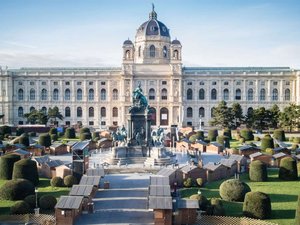 Kunsthistorisches Museum |
Vídeň | 2 | Landscape with Bear and Stag Hunt, Landscape with Boar Hunt |
 Galleria Sabauda |
Turín | 1 | The Death of Adonis |
 Los Angeles County Museum of Art |
Los Angeles | 1 | The Walls of Babylon |
 National Trust |
Cambridge | 1 | Nero (AD 37–68), Roman Emperor |
Vyberte dekádu, abyste si prohlédli její nejvýznamnějšíjší obraz.


Hunting Scene (1592), Bavarské státní sbírky malby, Mnichov, zaužívá první místo, za nímž následují Beheading of Apostle Paul (1592) a Battle Scene (1592).
Antonio Tempesta byl ve věku 37: dílo Hunting Scene pochází z roku 1592 a Antonio Tempesta se narodil v 1555.
Hunting Scene, Beheading of Apostle Paul, Battle Scene, Battle Scene, The Crucifixion of Saint Peter, Joseph Explaining His Dream to His Brothers, Gathering of the Manna, Jupiter and Callisto, Venus Mourning the Death of Adonis a The Death of Adonis. Rok a muzeum pro každé dílo jsou uvedeny v hodnocení výše.
V našem katalogu je 28 děl umělce Antonio Tempesta, datovaných od 1592 do 1620.
Primárně v Bavarské státní sbírky malby (Mnichov), Muzeum umění v Bostonu (Boston) a Kunsthistorisches Museum (Vídeň). Pro úplný seznam se podívejte do tabulky muzeí výše.
V období 1590s: 6 z 27 obrazů zařazených zde pochází z této doby, včetně Hunting Scene.
Nejstarší na této stránce: Hunting Scene (1592). Nejnovější: Arrival of Christine Marie of France to Turin in 1619 (1620).
Mezi 27 obrazy zařazenými v tomto žebříčku: Gods (2), Hunters (2) a Trees (2).
Oil, u 2 z 27 obrazů zařazených v tomto žEBŘÍČKU.
Mannerism a Baroque, na základě obrazů zařazených na této stránce.
V muzeu Bavarské státní sbírky malby, Mnichov se nachází 5 z obrazů zařazených v tomto žebříčku, včetně Hunting Scene, Beheading of Apostle Paul a Battle Scene.
Ano. Každý obraz na této stránce lze objednat jako ručně malovanou olejovou reprodukci nebo jako tisk. Otevřete obraz, zvolte velikost a dokončete objednávku.
Antonio Tempesta stands as a pivotal figure in the artistic landscape of the late sixteenth and early seventeenth centuries, embodying the complex interplay between Mannerist aesthetics and Baroque innovation. Born in Florence in 1555, during a period marked by intense intellectual ferment and artistic experimentation, Tempesta’s career unfolded across the prestigious corridors of Italy and the vibrant art markets of Flanders. He was far more than a mere painter; he acted as a vital conduit for stylistic ideas, skillfully blending the rigorous disegno of his Florentine training with the expressive power and dynamic energy found in Antwerp’s burgeoning art scene.
His formative years were shaped by the prestigious Accademia delle Arti del Disegno, where he enrolled in 1576. This institution instilled in him a profound understanding of anatomical accuracy and compositional balance, hallmarks of the Mannerist tradition. Under the guidance of masters such as Santi di Tito, Tempesta mastered the classical ideals and humanist scholarship essential to the era. However, it was the influence of the Flemish painter Giovanni Stradanus that introduced him to a more dramatic use of color and light—elements that would eventually define his mature style. His early participation in the ambitious decoration projects for the Palazzo Vecchio under Giorgio Vasari further immersed him in the grandeur and scale required by the era's most significant patrons.
Tempesta’s artistic output was remarkably diverse, spanning a breadth of mediums that allowed him to leave his mark on both monumental architecture and intimate prints. As a fresco painter, he contributed significantly to some of the most celebrated decorative programs of the age, including works for Villa Lante and Palazzo Farnese. His collaborative spirit was evident in his work with artists like Paul Brill, creating large-scale narratives that showcased the dramatic tension of the period. One of his most poignant achievements can be seen in the Church of Santo Stefano Rotondo in Rome, where his fresco depicting the martyrdom of Saint Primus utilizes a rich color palette and intense emotionality to capture a scene of profound grief and loss.
Beyond the walls of Roman churches and Florentine palaces, Tempesta found immense success as an engraver. This medium allowed him to disseminate his vision of battle scenes and sweeping landscapes across Europe, bridging the gap between Italian composition and Northern European detail. His engravings often featured:
The historical significance of Antonio Tempesta lies in his ability to navigate the transition between two eras. While his roots remained firmly planted in the disciplined Mannerism of Florence, his work anticipated the emotional intensity and theatricality of the Baroque. By integrating the structural precision of Italian disegno with the atmospheric richness of the Flemish tradition, he helped create a visual language that was both intellectually rigorous and emotionally accessible.
Though his life ended in 1630, his influence endured through the widespread circulation of his prints and the lasting impact of his monumental frescoes. He remains a testament to the interconnectedness of the European art world during the Renaissance and Baroque periods, serving as a bridge between the classical traditions of Italy and the burgeoning artistic spirit of the North.

