A Beacon of History and Global Connection
Rising majestically along the banks of the Scheldt River in Antwerp’s vibrant Eilandje district, the Museum aan de Stroom —affectionately known as the MAS—stands as much more than a mere repository for artifacts. It is a compelling narrative woven from threads of maritime heritage, global artistry, and architectural innovation. Since its doors opened in May 2011, this landmark has established itself as Antwerp’s largest museum and a powerful symbol of the city’s enduring connection to the wider world. The MAS does not simply display history; it invites the observer to immerse themselves within it, tracing the intricate pathways of trade, migration, and cultural exchange that have shaped Antwerp into the dynamic metropolis it is today. Built upon a site steeped in historical significance—once home to the medieval Hanzahuis trading post—the museum embodies a profound spirit of renewal and remembrance.
The architecture of the MAS is a breathtaking achievement in itself, designed by Neutelings Riedijk Architects as a striking fusion of postmodern Art Deco aesthetics. The façade, constructed from rich Indian red sandstone and undulating glass panels, seems to ripple with the very energy of the river it overlooks. Standing at an impressive sixty meters high, the building is a sculptural masterpiece that commands attention, offering panoramic views of the Antwerp skyline to those who ascend its heights. This innovative design extends far beyond mere aesthetics, influencing the visitor experience through a unique concept known as the "visible store." Here, visitors are granted access to the heart of the museum’s holdings, witnessing 180,000 objects from a staggering total collection of 470,000. This unprecedented level of transparency democratizes art history, fostering a sense of discovery and encouraging individual exploration that is rare in traditional institutions.
A Tapestry of Global Narratives
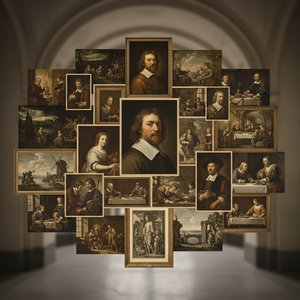
Within its walls, the MAS presents a remarkably diverse collection that spans continents and centuries, creating a global narrative that highlights the profound interconnectedness of human cultures. Maritime objects—remnants of Antwerp's pivotal role in international trade and shipping from ancient times to the present day—tell tales of daring voyages, bustling ports, and the exchange of goods and ideas across vast distances. Yet, the museum’s scope extends far beyond its maritime roots; art and artifacts from Europe, Africa, America, Asia, and Oceania converge here to reveal the stories behind the objects: the cultural contexts, historical influences, and human experiences they represent.
For the discerning collector or art enthusiast, the collection offers a profound journey through time. One might admire the intricate details of Gothic craftsmanship in the wood carvings of Jacob van Cothem or marvel at the scientific precision found in the astronomical instruments of Jean Le Fondeur. The museum’s thematic exhibitions further amplify this approach, connecting local history to worldwide influences in immersive and thought-provoking ways. Through its commitment to new media and engaging presentations, the MAS ensures that every visitor—whether an academic, a designer seeking inspiration, or a curious traveler—finds themselves part of a living, breathing history. It is a destination that transcends the traditional museum experience, serving as a place where history comes alive, art inspires reflection, and the community thrives through initiatives like MAS IN YOUNG HANDS , which empowers the next generation of curators and leaders.