Εγγύηση επιστροφής χρημάτων · 100 ημέρες Δωρεάν Παγκόσμια Αποστολή
646.446έργα τέχνης 53.409καλλιτέχνες 5.406μουσεία 32Γλώσσες
Πορτρέτο του William Peters

Τα 19 πιο διάσημα έργα του William Peters που μπορείτε να επιλέξετε

Ενημερωμένο Οκτώβριος 2026 · κατάταξη βάσει του σκορ δημοφιλίας μας (αναζητήσεις, επισκέψεις και παραγγελίες για κάθε έργο) · 19 έργα του William Peters στον κατάλογό μας

Γρήγορη απάντηση

Το κορυφαίο έργο των πlyνακασιών του William Peters είναι το Lady Elizabeth Isabella Manners (1778–1853), as a Child, Later Lady Richard Norman (1782). Στη δεύτερη και τρίτη θέση: Portrait of Sir William Robinson, Bt (1703-1777) (1777) και Sylvia, a Courtesan (1778). Ο κατάλογός μας περιλαμβάνει 19 έργα του William Peters. Τα 19 που εμφανίζονται εδώ είναι τα πιο διάσημα, σε φθίνουσα σειρά, με την χρονολογία και το μουσείο κάθε πρωτότυπου.

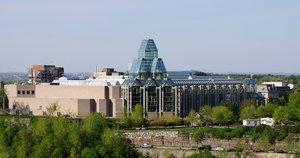
1741 – 1814, Freshwater Περισσότερα έργα: Εθνική Πινακοθήκη του Καναδά

Τα 10 κορυφαία: τα πιο διάσημα έργα του William Peters

1
Lady Elizabeth Isabella Manners (1778–1853), as a Child, Later Lady Richard Norman (1782) του William Peters

Lady Elizabeth Isabella Manners (1778–1853), as a Child, Later Lady Richard Norman

1782 · Oil

The painting depicts a young girl positioned against a textured brick wall. She wears a white dress accented with pink ribbons at the neck and waist. In her left hand, she holds a bunch of grapes, while her right hand carries a basket. Two apples rest in the foreground on the ground. The girl's expression is a smile, and her gaze is directed toward the viewer. The lighting emphasizes the…

Hand-painted oil reproduction from $170 28 × 36 cm Same size as the original $466 91 × 122 cm Order at original size →
Παραγγείλτε ένα χειροποίητο αντίγραφο Σχετικά με το έργο

Κατατάξεις από 11 έως 19: περισσότερες ζωγραφιές του William Peters

Πάιθες του William Peters ανά θέμα

Τα τέσσερα πιο συχνά θέματα σε αυτή την κατάταξη, με το κορυφαίο έργο για το καθένα.

Μουσεία που διαθέτουν τα πρωτότυπα έργα του William Peters

Τα 7 μουσεία που φιλοξενούν το μεγαλύτερο μέρος των έργων σε αυτήν τη σελίδα.

Μουσεία Πόλη Έργα του William Peters Πάτρια από αυτή τη λίστα
Εθνική Πινακοθήκη του Καναδά, ΟττάβαΕθνική Πινακοθήκη του Καναδά Οττάβα 3 Venus in a Landscape, The Sisters, Portrait of a Man
Imperial College Healthcare Charity Art Collection, LondonImperial College Healthcare Charity Art Collection London 3 Charles Bromfield, Mrs Eleanor Barr, Thomas Williams
Εθνική Γκαλερί της Ιρλανδίας, ΔουβλίνοΕθνική Γκαλερί της Ιρλανδίας Δουβλίνο 2 Portrait of Sir William Robinson, Bt (1703-1777), Sylvia, a Courtesan
The Library And Museum of Freemasonry, LondonThe Library And Museum of Freemasonry London 2 HRH Henry Frederick (1745–1790), 1st Duke of Cumberland and Strathearn, HM King George III (1738–1820)
Rhode Island School of Design Museum of Art, ProvidenceRhode Island School of Design Museum of Art Providence 1 Lydia
Εθνική Πορτραίτητος Γκαλερί, ΛονδίνοΕθνική Πορτραίτητος Γκαλερί Λονδίνο 1 Edward Wortley Montagu
Oxford College Anon i, OxfordOxford College Anon i Oxford 1 Walter de Stapeldon (1261–1326)

Το κορυφαίο έργο του William Peters κάθε δεκαετία

Έργα ανά δεκαετία

Επιλέξτε μια δεκαετία για να δείτε το κορυφαίο της έργο.

Πάρασματά του William Peters: FAQ

Ποιο είναι το πιο διάσημο έργο του William Peters;Εμφάνιση απάντησης

Το Lady Elizabeth Isabella Manners (1778–1853), as a Child, Later Lady Richard Norman (1782) κατέχει την πρώτη θέση, ακολουθούμενο από το Portrait of Sir William Robinson, Bt (1703-1777) (1777) και το Sylvia, a Courtesan (1778).

Σε τι ηλικία ζωγραφίστηκε το Lady Elizabeth Isabella Manners (1778–1853), as a Child, Later Lady Richard Norman από τον/την William Peters;Εμφάνιση απάντησης

Ο/Η William Peters ήταν 41 ετών: το έργο Lady Elizabeth Isabella Manners (1778–1853), as a Child, Later Lady Richard Norman χρονολογείται το 1782, και ο/η William Peters γεννήθηκε το 1741.

Ποια είναι τα δέκα πιο διάσημα έργα του William Peters;Εμφάνιση απάντησης

Lady Elizabeth Isabella Manners (1778–1853), as a Child, Later Lady Richard Norman, Portrait of Sir William Robinson, Bt (1703-1777), Sylvia, a Courtesan, Lydia, Venus in a Landscape, HRH Henry Frederick (1745–1790), 1st Duke of Cumberland and Strathearn, Charles Bromfield, The Sisters, HM King George III (1738–1820) και Edward Wortley Montagu. Η χρονολογία και το μουσείο για κάθε έργο αναφέρονται στην κατάταξη παραπάνω.

Πόσα έργα του William Peters είναι διαθέσιμα;Εμφάνιση απάντησης

Στον κατάλογό μας υπάρχουν 19 έργα του William Peters, με ημερομηνίες από 1761 έως 1814.

Σε ποια μουσεία βρίσκονται τα πιο διάσημα πρωτότυπα έργα του William Peters;Εμφάνιση απάντησης

Κυρίως σε Εθνική Πινακοθήκη του Καναδά (Οττάβα), Imperial College Healthcare Charity Art Collection (London) και Εθνική Γκαλερί της Ιρλανδίας (Δουβλίνο). Δείτε τον πίνακα μουσείων παραπάνω για την πλήρη λίστα.

Πότε δημιουργήθηκαν τα κορυφαία έργα του William Peters;Εμφάνιση απάντησης

Στην 1770s: 11 από τα 19 έργα που είναι ταξινομημένα εδώ ανήκουν σε αυτή την εποχή, συμπεριλαμβανομένου του Portrait of Sir William Robinson, Bt (1703-1777).

Ποια είναι οι παλαιότερες και οι πιο πρόσφατες διάσημες ζωγραφιές του William Peters;Εμφάνιση απάντησης

Πιο παλιά σε αυτήν τη σελίδα: HM King George III (1738–1820) (1761). Πιο πρόσφατα: Portrait of a Child (1814).

Ποια διάσημα έργα του William Peters διαθέτει το Εθνική Πινακοθήκη του Καναδά;Εμφάνιση απάντησης

Το Εθνική Πινακοθήκη του Καναδά, Οττάβα διαθέτει 3 από τις πίνακες που κατατάγονται εδώ, συμπεριλαμβανομένων των Venus in a Landscape, The Sisters και Portrait of a Man.

Μπορώ να αγοράσω ένα έργο του William Peters ως αναπαραγωγή;Εμφάνιση απάντησης

Ναι. Κάθε έργο σε αυτήν τη σελίδα μπορεί να παραγγελθεί ως χειροποίητη αναπαραγωγή σε λάδι ή ως εκτύπωση. Ανοίξτε το έργο, επιλέξτε το μέγεθος και πραγματοποιήστε την παραγγελία σας.

William Peters: ο καλλιτέχνης πίσω από τα έργα

The Dual Legacy of Matthew William Peters: Artistry and Altar

In the vibrant tapestry of Georgian England, few figures possess a biography as strikingly dualistic as Matthew William Peters. A man who navigated the profound tension between the sensual grandeur of the Italianate painting style and the solemnity of the Anglican ministry, Peters remains a singular presence in British art history. Born in 1742 in Freshwater, Isle of Wight, his early life was shaped by an intellectual environment rooted in scientific precision; his father, a prominent civil engineer and member of the Royal Dublin Society, instilled in him a capacity for rigorous observation. This analytical foundation would later serve as the bedrock for both his meticulous brushwork and his theological contemplations.

Peters’s artistic journey was one of constant movement and profound discovery. His formative training began in Dublin under Robert West, but it was the patronage of the Dublin Society that truly propelled him onto the international stage. Sent to London to study under the esteemed Thomas Hudson, Peters soon embarked on a transformative pilgrimage to Italy between 1761 and 1765. This period acted as a spiritual and aesthetic rebirth. Immersed in the masterpieces of the Renaissance and Baroque, he did not merely observe but actively engaged with the ghosts of Raphael, Michelangelo, and Caravaggio. By meticulously studying their use of chiaroscuro and complex compositional structures, he developed an "Italian manner" so authentic that contemporary critics noted no British peer could match his command of such dramatic light and shadow.

A Mastery of Portraiture and Genre

Upon his return to England in 1765, Peters emerged as a formidable force within the London art scene. His ascent was marked by consistent recognition from the most prestigious institutions of his era, including regular exhibitions at the Society of Artists and, most notably, his election to the Royal Academy in 1769. As he transitioned into the professional identity often known simply as "W. Peters," his work began to reflect a sophisticated blend of classical elegance and emotional depth. His portraiture, such as the refined Edward Wortley Montagu, showcased an ability to capture both the social stature and the psychological nuance of his subjects through a lens of classical grace.

Beyond the formal constraints of portraiture, Peters explored the evocative realms of genre painting and narrative illustration. His talent for storytelling allowed him to breathe life into scenes that ranged from the intimate to the epic. This versatility was further demonstrated in his later contributions to the Shakespeare Gallery, where his ability to translate literary drama into visual splendor helped define a significant movement in British visual culture. Whether through the delicate rendering of fabric or the dramatic interplay of light across a face, his work remained anchored in the profound aesthetic lessons learned during his Italian sojourn.

The Final Transition: From Canvas to Clergy

As the tides of his life shifted, Peters underwent one of the most remarkable professional transformations of the eighteenth century. The man who had once sought fame within the halls of the Royal Academy eventually turned his gaze toward the eternal. Entering the Anglican ministry, he transitioned from a painter of earthly beauty to an Anglican clergyman and chaplain to George IV. This shift did not represent a rejection of his artistic past but rather a redirection of his creative spirit toward the service of faith. The same precision that guided his hand in capturing light was now applied to the stewardship of the soul.

The historical significance of Matthew William Peters lies in this very synthesis of the temporal and the divine. He stands as a bridge between the exuberant, often eroticized aesthetics of the late Baroque and the disciplined, moralistic atmosphere of the Georgian religious landscape. His life serves as a testament to the idea that art and faith are not opposing forces, but rather two different languages used to describe the same profound human experience. Through his enduring works, we continue to witness the legacy of an artist who found beauty in the shadows of Italy and truth in the light of the pulpit.