


 Προεπισκόπηση
 Αποστολή
 Κοινοποίηση
 Λεπτομέρειες

 Λήψη
Λήψη
 Παρόμοια έργα
 Ακτινογραφία
 Παρουσίαση
Η Μόλκα του Χριστού
 Ακρυλικά σε καμβά
- Εκθέσιμα Έργα Τέχνης
- Renaissance Mannerism
 1507
1507 51.0 x 40.0 cm
 Μουσείο Τέχνης Βουδαπέστης
 Περισσότερα λεπτομέρεια
Χειροποίητη Αναπαραγωγή σε Έλαιο
Χειροποίητη α óleo σε καμβά στο δικό σας μέγεθος και πλαίσιο, κατά παραγγελία από τους καλλιτέχνες μας. ( Μετάβαση στην Εκτύπωση Μετάβαση σε Εικόνα)




P118B $10

P118H $10

P118W $10

P438Z $10

P508JH $12

P508YH $12

P805H $10

P805Z $10

P919BZ $10

P919G $10

P919XJ $10

P959ZH $10

P968JZ $12

W106C $8

W218G $10

W218JH $8

W218Y $10

W307PJ $10

W316G $10

W316PJ $8

W316Y $10

W398PJ $8

W4111J $10

W500HY $15

W500JH $15

W692G $12

W849H $8

W940BG $15

W953PJ $8




Επιλέξτε από τις προκαθορισμένες διαστάσεις μας που διατηρούν τις αρχικές αναλογίες του έργου τέχνης.

Μπορείτε να εισάγετε δικές σας διαστάσεις για να ταιριάξετε το έργο με ένα συγκεκριμένο πλαίσιο ή χώρο. Εάν το επιλεγμένο μέγεθος δεν συμπίπτει με τις αναλογίες της αρχικής εικόνας, θα περικοψούμε το έργο τέχνης ή θα επεκτείνουμε τη ζωγραφιά με πρόσθετα χειρόγραφα στοιχεία. Ένα ψηφιακό προσχέδιο θα σας σταλεί για έγκριση πριν την έναρξη της παραγωγής.
Παρακαλούμε σημειώστε ότι η προεπισκόπηση στην οθόνη δεν αντικατοπτρίζει την πραγματική περικοπή ή επέκταση. Μόνο το προσχέδιο θα δείξει με ακρίβεια την τελική σύνθεση.
Παρόλο που είναι διαθέσιμα προσαρμοσμένα μεγέθη, συνιστούμε να επιλέξετε μια διάσταση από τη λίστα των προκαθορισμένων μεγεθών για τη διατήρηση των αρχικών αναλογιών.
Μετά την παραγγελία, η ομάδα του AllPaintingsStore.com θα στείλει email στον πελάτη για οδηγίες και θα παρέχει μια προεπισκόπηση προσχεδίου
Παγκόσμια Αποστολή () σε 3/4 εβδομάδες αντί για τις συνήθεις 5 εβδομάδες. (7 Αύγουστος). Χωρίς συμβιβασμούς στην ποιότητα.

Δωρεάν Παγκόσμια Αποστολή Express

Κάμβας από Λινό Υψηλής Ποιότητας

Πλήρης ασφάλιση μεταφοράς

Εγγύηση Επιστροφής Δασμών και Φόρων

Εγγύηση Απόλυτης Ομοιότητας Χρωμάτων

Πολιτική Επιστροφής 60 Ημερών (Μόνο σε περίπτωση ελαττωμάτων)

Εγγύηση επιστροφής 100% των χρημάτων

Έκπτωση για πολλαπλές παραγγελίες
 Η επιλογή με γυαλί είναι διαθέσιμη μόνο για μεγέθη κάτω από 110 εκ.

Η Μόλκα του Χριστού
Τεχνική Αναπαραγωγής
Διαστάσεις Αναπαραγωγής
-


Τελική Τιμή
$ 258
Περιγραφή Έργου
Η Μόλχη του Χριστού του Γιαν Γοσσάρτ
Η Μόλχη του Χριστού είναι ένα έργο τέχνης που εκτελέστηκε περίπου το 1525 από τον Γιαν Γοσσάρτ, έναν πρωτοποριακό Ολλανδικό αναγεννησιακό ζωγράφο γνωστό και ως Γιαν Μαμπούσε. Αυτός ο καλλιτέχνης συνδύασε στοιχεία της ιταλικής και της βόρειας ευρωπαϊκής τέχνης, εισάγοντας τον Ρομανισμό στις Κτωρινές με πορτρέτες και αλληγορίες που αναδύονται από την αρχιτεκτονική του Μεσαίωνα και τον Πρώτο Χριστιανικό Διαφωτισμό. Η Μόλχη του Χριστού αποτελεί μια συγκλονιστική απεικόνιση της σκληρότητας και της υπομονής του Ιησού Χριστού καθώς ο στρατός τον περιβάλλει με αμυντικά όπλα και τον υποβιβάζει με σκληρές εκφράσεις ειρωνείας και αγανάκτησης. Η Μόλχη του Χριστού είναι ένα έργο που έχει καταφέρει να συγκινήσει πολλούς θεατές καθ' όλη τη διάρκεια των ιστορικών χρόνων και παραμένει μια σημαντική αναφορά στην τέχνη της Αναγέννησης και στην ιστορία της βορειοευρωπαϊκής καλλιτεχνικής σκέψης.- Στυλ: Ο Γιαν Γοσσάρτ υπήρξε ένας από τους πιο σημαντικούς ζωγράφους της εποχής του και χρησιμοποιούσε ένα ιδιαίτερα εξελιγμένο στυλ που συνδύαζε στοιχεία της ιταλικής Αναγέννησης με την βορειοευρωπαϊκή παράδοση. Η τεχνική του ήταν εξαιρετικά προσεκτική και χρησιμοποιούσε λεπτομερείς σκιαγραφίες και χρώματα για να δημιουργήσει μια ατμόσφαιρα έντονης δραστηριότητας και συναισθηματικής φόρτισης.
- Τεχνική: Ο Γοσσάρτ ήταν ειδικός στην τεχνική της λαδιού σε περικόπτημα δέρματος, μια μέθοδος που απαιτούσε μεγάλη δεξιοτεχνία και υπομονή. Η χρήση του λαδιού επέτρεπε την απόδοση ιδιαίτερα λεπτών αποχρώσεων και δημιουργούσε μια επιφάνεια με βαθιά υφή και τρισδιάστατη εμφάνιση.
- Ιστορική Περίληψη: Το έργο δημιουργήθηκε κατά τη διάρκεια μιας περιόδου πολιτιστικής αναγέννησης στις Κτωρινές όπου οι καλλιτέχνες ήταν ιδιαίτερα επιρρεπείς στις ιδέες της αρχιτεκτονικής του Μεσαίωνα και του Πρώτου Χριστιανικού Διαφωτισμού. Η Μόλχη του Χριστού αντικατοπτρίζει την αισθητική τάση της εποχής και αναδεικνύει τη σημασία της ιστορίας και της παράδοσης στην τέχνη.
- Συμβολισμός: Η σκηνή της μόλχει του Χριστού έχει βαθιές συμβολικές υποδείξεις που παραπέμπουν στις βασικές αξίες της χριστιανικής πίστης και στην ανθρώπινη φύση. Ο Ιησούς Χριστός απεικονίζεται ως σύμβολο θλίψης και υπομονής ενώ οι στρατιώτες αντιπροσωπεύουν την αδικία και την καταπίεση.
- Αίσθημα: Η Μόλχη του Χριστού προκαλεί έντονα συναισθήματα ενθουσιασμού και συγκίνησης στους θεατές καθώς η απεικόνιση είναι ιδιαίτερα δραματική και εκφραστική. Οι λεπτομερείς σκιαγραφίες και τα χρώματα δημιουργούν μια ατμόσφαιρα έντασης και αγωνίας που μεταφέρει την ιστορική σημασία του έργου.
Παρόμοια Έργα Τέχνης


Βιογραφία Καλλιτέχνη
The Shadowed Canvas: Exploring the Life and Art of an Unknown Master
The name Elias Thorne remains largely obscured within the annals of 16th-century European art, a deliberate anonymity that perhaps mirrors the complex and often melancholic nature of his work. Born in the small, rain-swept village of Oakhaven, nestled on the fringes of the Black Forest in 1503, Thorne’s early life offers little in the way of documented detail – whispers suggest a childhood marked by solitude and an unusual fascination with the natural world, particularly the interplay of light and shadow. His father was a woodcarver, imparting a foundational understanding of form and texture, while his mother, a herbalist, instilled within him a deep reverence for the subtle beauty found in decay and transformation – themes that would become central to Thorne’s artistic vision.
Thorne's formal training is shrouded in mystery. Unlike many artists of his era who apprenticed under established masters, he seems to have been largely self-taught, a characteristic that profoundly shaped the unique character of his paintings. He spent several years traveling throughout Germany and Switzerland, absorbing influences from the burgeoning Renaissance movement while simultaneously developing a distinct style – one characterized by an almost obsessive attention to detail, a muted palette dominated by browns, grays, and deep blues, and a haunting sense of atmosphere. Unlike the vibrant colors favored by his contemporaries, Thorne deliberately employed shadows not as mere absences of light, but as active participants in the narrative of each scene.
A Palette of Grief and Reflection
Thorne’s artistic output was remarkably modest – fewer than thirty paintings survive, scattered across private collections and small museums. Yet, within this limited body of work lies a remarkable depth of emotional resonance. His subjects rarely depict grand historical events or idealized portraits; instead, he focused on scenes of quiet contemplation, moments of profound sorrow, and the inevitable passage of time. Recurring motifs include solitary figures – often women – gazing out from darkened interiors, decaying landscapes, and still lifes featuring wilting flowers and weathered fruit. These images are not merely representations of reality but rather explorations of the human condition, imbued with a palpable sense of melancholy and introspection.
- Notable Works: “The Weaver’s Lament,” “The Forgotten Chapel,” “Still Life with Dying Lilies,” “Portrait of an Unknown Woman (Shadowed),” “Winter’s Embrace.”
- Technique: Thorne was a master of *sfumato*, utilizing subtle gradations of tone and color to create a hazy, dreamlike quality. His brushwork is meticulous yet understated, prioritizing atmosphere over sharp detail. He favored oil paints on wood panels, lending a rich texture and depth to his canvases.
Influences and Artistic Roots
While Thorne’s style remains distinctly his own, it's clear that he was influenced by several key artistic currents of the period. The late Gothic traditions of Northern Europe – particularly the intricate detail and symbolic imagery found in medieval altarpieces – are evident in his compositions. Furthermore, there is a discernible connection to the work of Hans Holbein the Younger, particularly his use of light and shadow to create dramatic effects. However, Thorne transcends mere imitation; he synthesizes these influences into a profoundly personal vision.
Beyond art, Thorne’s life was deeply intertwined with folklore and local legends. The Black Forest itself played a significant role in shaping his artistic sensibility – its dense forests, ancient ruins, and whispered tales of forgotten spirits provided a constant source of inspiration. Local beliefs surrounding death, mourning, and the afterlife are subtly woven into the narratives depicted in his paintings.
Legacy and Historical Significance
Despite his obscurity during his lifetime, Elias Thorne’s work has experienced a quiet resurgence of interest in recent decades. Art historians now recognize him as a pivotal figure in the development of Northern European painting – a precursor to the Baroque era's emphasis on dramatic lighting and emotional intensity. His paintings are not celebrated for their technical brilliance or historical importance but rather for their profound psychological depth and haunting beauty. Thorne’s art serves as a poignant reminder that true artistic genius often resides not in grand gestures, but in the quiet contemplation of human experience.
His work offers a unique window into the anxieties and uncertainties of 16th-century Europe – a period marked by religious upheaval, political instability, and widespread social unrest. Thorne’s paintings reflect this atmosphere of unease, capturing not just the outward appearance of reality but also the underlying currents of sorrow, loss, and longing that shaped the lives of ordinary people.
Further Exploration
For further research into Elias Thorne's life and work, consider exploring these resources:
- The website of the Kunstmuseum Bern (Bern Art Museum) – which houses several examples of his paintings.
- Academic articles on Northern European painting from scholarly journals such as *Art History* and *Renaissance Quarterly*.

jan gossaert
1532 , Belgium
Σημαντικά στοιχεία
- Artistic Movement Or Style: World Goes Pop
- Date Of Death: 1532
- Notable Artworks:
- Evelyne Axell
- Joav BarEl
- Thomas Bayrle
Σχετικά Άρθρα

Jan Gossaert (Mabuse): Pioneering Renaissance Style & the Birth of Netherlandish Antiquity
Explore the groundbreaking art of Jan Gossaert (Mabuse), a pioneer of Renaissance painting in the Low Countries. Discover his Romanist style, stunning portraits, and influence on Northern European art history.

Σάντρο Μποτιτσέλι: Τα 25 Κορυφαία Έργα Τέχνης για Διακόσμηση και Έμπνευση
Ανακαλύψτε τα 25 κορυφαία έργα τέχνης του Σάντρο Μποτιτσέλι! Εξερευνήστε την Αναγέννηση, τη Βενερά και τον Πρωμαχό. Υψηλής ποιότητας αναπαραγωγές & ιδέες διακόσμησης στο AllPaintingsStore.com.
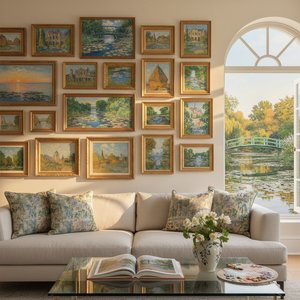
Κλόντ Μονέ: Τα 25 Εμβληματικότερα Έργα Τέχνης για Διακόσμηση με Στυλ
Ανακαλύψτε τα 25 εμβληματικότερα έργα του Κλόντ Μονέ! Ιμπρεσιονισμός, πίνακες με νεφέλες & νούφαρα. Αγοράστε αναπαραγωγές υψηλής ποιότητας για να εμπλουτίσετε τη διακόσμηση του σπιτιού σας. Εξερευνήστε την πλήρη συλλογή στο AllPaintingsStore.com.
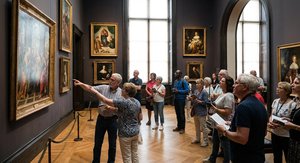
Οι 25 Κορυφαίοι Πίνακες της Alte Pinakothek: Έμπνευση για το Σπίτι σας
Ανακαλύψτε τους 25 κορυφαίους πίνακες της Alte Pinakothek! Μάθετε για Dürer, Rembrandt & Rubens. Ιδανική έμπνευση για διακόσμηση σπιτιού με αναπαραγωγές υψηλής ποιότητας. Εξερευνήστε την συλλογή στο AllPaintingsStore.com.
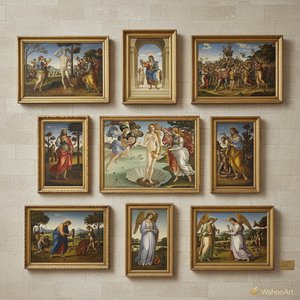
Οι 10 Κορυφαίοι Δασκάλοι της Πρώιμης Αναγέννησης & τα Έργα τους | AllPaintingsStore.gr
Ανακαλύψτε τα 10 αριστουργήματα που καθόρισαν την Πρώιμη Αναγέννηση! Botticelli, Leonardo da Vinci & άλλοι δάσκαλοι. Ιστορίες τέχνης, τεχνικές και χρώματα. Βρείτε αναπαραγωγές υψηλής ποιότητας στο AllPaintingsStore.gr.




