Εγγύηση επιστροφής χρημάτων · 30 ημέρες Δωρεάν Παγκόσμια Αποστολή
446.261έργα τέχνης 30.640καλλιτέχνες 4.753μουσεία 32Γλώσσες
Χώρα
Νόμισμα
Γλώσσα
Ατελιέ · Ίδρυση 2015 · Παρίσι, Γαλλία
AllPaintingsStore
allpaintingsstore.com
Ο λογαριασμός σας Λίστα επιθυμιών Καλάθι αγορών

Γιάννης Ασελίης

1610 - 1652

Σημαντικά Στοιχεία

  • Creative periods: mature period
  • Best occasions: κεντρικό έργο
  • Born: 1610, Ντίπε, Γαλλία
  • Copyright status: Public domain
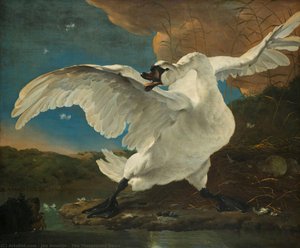
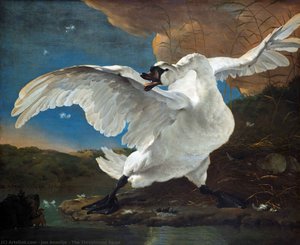
  • Top-ranked work: The Threatened Swan
  • Gift suitability: other-none
  • Top 3 works:
    • The Threatened Swan
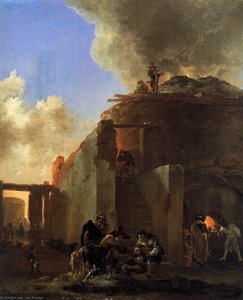
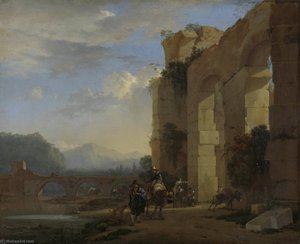
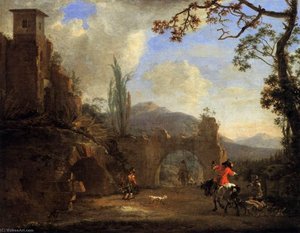
    • Muleteers beside an Italian Ruin
    • Η Προσκυνητές μπροστά σε Ρωμαϊκή Λειμώχωνη
  • Vibe: αρμονικό
  • Museums on APS:
    • Academy of Fine Arts Vienna
    • Academy of Fine Arts Vienna
    • Academy of Fine Arts Vienna
    • Academy of Fine Arts Vienna
    • Academy of Fine Arts Vienna
  • Nationality: Γαλλία
  • Color intensity:
    • ισορροπημένο
    • έντονο
  • Περισσότερα…
  • Works on APS: 54
  • Movements: dutch golden age
  • Art period: Πρώιμη Νέα Εποχή
  • Lifespan: 42 years
  • Mediums: άνθρακα και λάδι σε καμβά
  • Room fit: καθιστικό
  • Also known as: Γιάννης Ασέλυν
  • Typical colors:
    • other
    • ζεστά
  • Died: 1652
  • Emotional tone: γαλήνιο

ΚВИΖ Τέχνης

Για κάθε ερώτηση υπάρχει μόνο μία σωστή απάντηση.

Ερώτηση 1:
Ποια ήταν η γενέτειρα του Γιαν Ασελιν;
Ερώτηση 2:
Με ποιον καλλιτέχνη εκπαιδεύτηκε αρχικά ο Γιαν Ασελιν;
Ερώτηση 3:
Τι ήταν το χαρακτηριστικό του στυλ ζωγραφικής του Γιαν Ασελιν;
Ερώτηση 4:
Ποιο έργο θεωρείται το πιο διάσημο του Γιαν Ασελιν;
Ερώτηση 5:
Ποιος ήταν ένας από τους μαθητές του Γιαν Ασελιν;

A Life Forged in Landscape: The World of Jan Asselijn

Born Jean Asselin around 1610 in Dieppe, France, Jan Asselijn’s life unfolded against the backdrop of turbulent religious times and burgeoning artistic innovation. His family, Huguenots fleeing persecution, relocated to Amsterdam in 1621—a vibrant metropolis brimming with commercial dynamism and a flourishing artistic milieu during the Dutch Golden Age. This pivotal move immersed young Jean into an environment where landscape painting was undergoing a transformative shift away from traditional representations toward scenes imbued with heightened atmospheric qualities and profound emotional resonance. Initially apprenticed under Jan Martszen the Younger, he honed his skills in battle paintings before discovering his true vocation—capturing the splendor and drama of both natural vistas and animal life. The Dutch light and expansive skies would soon become an indelible hallmark of Asselijn’s oeuvre, though a journey to Italy proved instrumental in solidifying his artistic vision.

The Italianate Embrace & The Bentvueghels

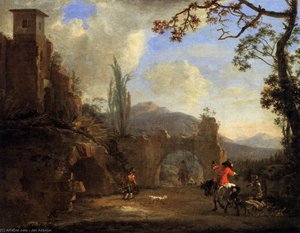
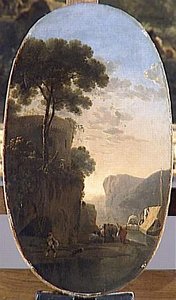
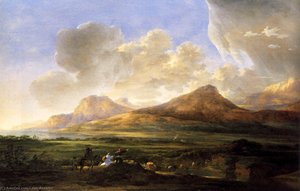
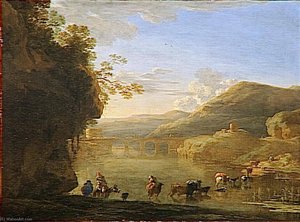
Like many ambitious Northern European painters of the era, Asselijn pursued refinement in Italy sometime after 1635—a pilgrimage that profoundly shaped his aesthetic sensibilities. He wholeheartedly embraced the *Italianate* style—characterized by sun-drenched landscapes, classical ruins, and pastoral scenes infused with a romantic spirit. He joined the ranks of the *Bentvueghels*, a peculiar society comprised of Dutch and Flemish artists operating in Rome. These “Birds of a Feather” distinguished themselves through unconventional behavior, satirical nicknames, and an unwavering commitment to painting directly from observation—rejecting the constraints imposed by studio practice. Within this spirited community, Asselijn earned the moniker "Krabbetje"—meaning "little crab"—due to a congenital deformity affecting his hand, yet he persevered creatively. He absorbed the influence of artists such as Pieter van Laer (Bamboccio), whose depictions of Roman peasant life and landscapes resonated deeply with Asselijn’s evolving style. This formative period nurtured his ability to convey atmosphere, luminosity, and narrative depth within his canvases—a skill that would define his artistic legacy.

Mastering Light & Symbolism: Key Works

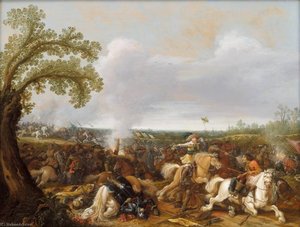
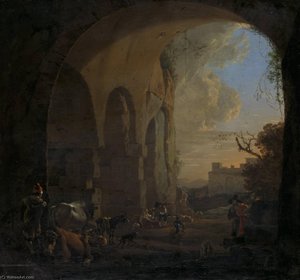
Upon returning to Amsterdam, Asselijn possessed a refined technique and a distinctive artistic voice. His paintings are distinguished by exceptional clarity of execution and masterful manipulation of light—traits that swiftly garnered him acclaim among contemporaries. While he produced historical compositions and battle scenes, it was his landscapes and animal studies that truly cemented his reputation as an innovator. The Threatened Swan, completed around 1640, stands as Asselijn’s most celebrated masterpiece. More than merely a depiction of avian defense, this painting transcended its visual form to become a potent emblem of Dutch national resilience against external pressures—a reflection of anxieties prevalent during his time and interpreted as an allegory for Johan de Witt, a prominent Dutch statesman. Intriguingly, subsequent owners appended symbolic inscriptions to the canvas—“Holland” on one egg and “Enemy of the state” beside the menacing dog—further amplifying its political significance. Other noteworthy works include Cavalry Attack at Sunset, showcasing his initial training in battle painting with dramatic flair, and depictions of rural life like Drovers with Cattle Under an Arch of the Colosseum in Rome, which harmoniously blend Italianate landscapes with animal observations—demonstrating Asselijn’s capacity to capture both visual beauty and nuanced storytelling. The Breach of the Saint Anthony’s Dike Near Amsterdam exemplifies his talent for portraying pivotal moments of national crisis—reflecting the ever-present danger posed by water and necessitating ingenious solutions for Dutch land reclamation.

Influence & Legacy: A Lasting Impression

Jan Asselijn's influence extended beyond his prolific output. He was revered by artists such as Rembrandt, who even created etchings depicting Asselijn at work—a gesture subtly acknowledging the artist’s physical impairment. Furthermore, he served as a mentor to Frederik de Moucheron—another accomplished Dutch landscape painter who championed the Italianate style and disseminated its precepts throughout Europe. Asselijn's pioneering approach to light and atmosphere profoundly impacted subsequent generations of painters—laying the groundwork for greater naturalism and emotional depth in landscape painting. His enduring works are housed in prominent museums across the globe, guaranteeing his place as a cornerstone figure within Dutch art history—a testament to his artistic brilliance and lasting contribution to the visual arts.