Money-Back Guarantee · 100 days Free Worldwide Delivery
646,759artworks 53,420artists 5,406museums 32languages

Top list · Baroque

Famous Baroque Paintings: The Top 100

1589 – 1719

The most famous Baroque paintings are Rembrandt's Night Watch (1642, Rijksmuseum), Johannes Vermeer's Girl with a Pearl Earring (1665, Mauritshuis), Diego Velázquez's Las Meninas (The Maids of Honor) or the Royal Family (1656, Museo del Prado), Caravaggio's Calling of Saint Matthew (1599, San Luigi dei Francesi) and Rembrandt's The Anatomy Lesson of Dr Nicolaes Tulp (1632, Mauritshuis). This ranking lists the 100 best-known Baroque paintings, painted between 1589 and 1719 by 37 artists, with the museum where each one hangs today.

Night Watch by Rembrandt, 1642, Rijksmuseum — famous Baroque painting
No. 1 · RembrandtNight Watch1642 · Rijksmuseum, Amsterdam
100paintings
37painters listed · Annibale Carracci – Il Maltese
47museums, 27 cities
9held at the The Louvre

Top 100

Famous Baroque paintings, No. 1 to No. 100

Artist, date, original size, museum and the price of a reproduction for every painting.

  1. Night Watch by Rembrandt, 1642, Rijksmuseum
    1

    363 × 437 cm1642Oil on canvasRijksmuseum, Amsterdam

    The composition avoids the stiff, formal rows typical of many 17th-century portraits. Conversely, in the darker recesses, the oil is applied much more thinly, allowing the shadows to become soft and velvety. The painting captures the pride of the Amsterdam militia, reflecting a time of relative peace and the importance of citizen-soldiers.

    Oil painting from $470 Print — from $42

  2. Girl with a Pearl Earring by Johannes Vermeer, 1665, Mauritshuis
    2

    44 × 38 cm1665Oil on canvasMauritshuis, The Hague

    The technical brilliance of Vermeer lies in his unparalleled mastery of light and atmosphere. This sense of mystery is what makes the piece so enduringly relevant for contemporary spaces.

    Oil painting from $170 Print — from $42

  3. Las Meninas (The Maids of Honor) or the Royal Family by Diego Velázquez, 1656, Museo del Prado
    3

    318 × 276 cm1656Oil on canvasMuseo del Prado, Madrid

    At the heart of " Las Meninas " is a scene from the Spanish royal court. This intricate composition offers a rare glimpse into the opulent and formal world of 17th-century Spanish royalty.

    Detailsinfanta Margaret Theresa surrounded by her entourageself-portrait of Velázquezmirror reflecting King Philip IV and Queen Mariana

    Oil painting from $445 Print — from $42

  4. Calling of Saint Matthew by Caravaggio, 1599, San Luigi dei Francesi
    4

    322 × 340 cm1599Oil on canvasSan Luigi dei Francesi, Rome

    Caravaggio boldly rejected idealized forms prevalent at the time, opting instead for a raw and unflinching realism. Even seemingly minor details, like the sword hilt on the wall, subtly allude to the worldly power Matthew is leaving behind.

    Detailsshadowtenebrismdramatic realism

    Oil painting from $295 Print — from $42

  5. The Anatomy Lesson of Dr Nicolaes Tulp by Rembrandt, 1632, Mauritshuis
    5

    169 × 216 cm1632Oil on canvasMauritshuis, The Hague

    As the eye enters the dimly lit lecture room, one is immediately struck by the visceral tension held within the frame. It is a celebration of the Enlightenment's precursors, wrapped in the moody, atmospheric textures characteristic of Rembrandt’s early mastery.

    Oil painting from $170 Print — from $42

  6. Narcissus by Caravaggio, 1599, Galleria Nazional d Art Antica
    6

    110 × 92 cm1599Oil on canvasGalleria Nazional d Art Antica, Rome

    Caravaggio depicts the poignant tale of Narcissus from Ovid’s Metamorphoses – a beautiful youth consumed by his own reflection. Painted during the height of the Baroque period, Narcissus broke from the prevailing Mannerist style.

    Detailsself-obsessionreflectionpsychological depth

    Oil painting from $195 Print — from $42

  7. Christ in the Storm on the Sea of Galilee by Rembrandt, 1633, Isabella Stewart Gardner Museum
    7

    128 × 168 cm1633Oil on canvasIsabella Stewart Gardner Museum, Boston

    Notably, Rembrandt includes a self-portrait amongst the disciples, subtly inserting himself into this pivotal biblical moment. Executed in 1633, ‘Christ in the Storm’ is a quintessential example of Baroque painting.

    Oil painting from $445 Print — from $42

  8. The Surrender of Breda by Diego Velázquez, 1634, Museo del Prado
    8

    307 × 367 cm1634Oil on canvasMuseo del Prado, Madrid

    Velázquez deliberately avoids rigid symmetry, creating a dynamic yet controlled arrangement that draws the viewer’s eye to the heart of the interaction. It's not a painting about war; it’s a painting about humanity within war.

    Detailsatmospheric perspectiveexchange of keysflags

    Oil painting from $345 Print — from $42

  9. Portrait of Louis XIV by Hyacinthe Rigaud, 1701, The Louvre
    9

    277 × 194 cm1701Oil on canvasThe Louvre, Paris

    This magnificent portrait captures the formidable presence of Louis XIV, the Sun King, in his regal splendor. The composition emphasizes his commanding posture, with intricate details in his garments and regal accessories, symbolizing his absolute power and sovereignty.

    Detailsscepterthroneroyal attire

    Oil painting from $170 Print — from $42

  10. The Arcadian Shepherds by Nicolas Poussin, 1638, Chatsworth House
    10

    85 × 121 cm1638Oil on canvasChatsworth House, Bakewell

    Poussin, a pivotal figure who spent much of his career in Rome, was deeply influenced by the artistic traditions of the Renaissance, particularly the works of Raphael. The landscape itself is integral to the painting’s power.

    Detailsmemento mori

    Oil painting from $170 Print — from $42

  11. The Triumph of Death by Jan Brueghel the Elder, 1610, Museo del Prado
    11

    117 × 162 cm1610Oil on panelMuseo del Prado, Madrid

    The artist employs oil paints with layered glazing techniques, resulting in a luminous surface rich in texture and nuance. The painting’s apocalyptic tone echoes contemporary fears and spiritual messages, urging viewers to consider their mortality and moral responsibilities.

    Detailschaosmortalitysymbolic allegory

    Oil painting from $345 Print — from $42

  12. The Jewish Bride by Rembrandt, 1665
    12

    122 × 167 cm1665Oil on canvas

    The central focus is on the couple's interaction, with the man's protective arm around the woman and her hand gently resting on his chest. The window in the background might represent an opening to the outside world or future possibilities.

    Detailsuse of chiaroscuro for dramatic light and shadow effectsorganic and flowing shapes in drapery and figures

    Oil painting from $195 Print — from $42

  13. Beheading of Saint John the Baptist by Cecco del Caravaggio, 1608, St John's Co-Cathedral
    13

    361 × 520 cm1608Oil on canvasSt John's Co-Cathedral, Valletta

    The scene centers on the violent instant of martyrdom. Near the center, a knife catches the light. It occupies a central place in the Conventual Church of St. John.

    Oil painting from $170 Print — from $42

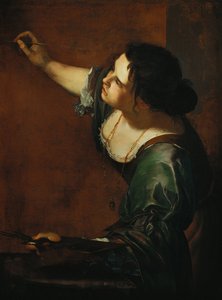
  14. Self-Portrait as the Allegory of Painting by Artemisia Gentileschi, 1639, Royal Collection
    14

    96 × 73 cm1639Oil on canvasRoyal Collection, London

    The scene depicts Gentileschi herself as the personification of Painting – an allegorical figure rendered with remarkable confidence and authority. Women artists faced significant obstacles during the 17th century, often denied formal training and limited to domestic commissions.

    Oil painting from $170 Print — from $42

  15. The Art of Painting by Johannes Vermeer, 1665, Kunsthistorisches Museum
    15

    120 × 100 cm1665Oil on canvasKunsthistorisches Museum, Vienna

    This painting, in particular, is considered an allegory of painting, highlighting the artist's theoretical interest in the craft. The woman's laurel wreath and trumpet are associated with Fama, Pictura, or Clio, the Muse of History, symbolizing fame and artistic achievement.

    Detailsgolden chandelierlarge map of the Low Countriesplaster mask

    Oil painting from $195 Print — from $42

  16. The Return of the Prodigal Son by Rembrandt, 1669, Hermitage Museum
    16

    262 × 206 cm1669Oil on canvasHermitage Museum, Saint Petersburg

    The composition is a masterclass in emotional storytelling, drawing the viewer into an intimate circle of reconciliation. This light does not simply illuminate; it sanctifies the moment of reunion.

    Oil painting from $170 Print — from $42

  17. The Fall of the Damned by Peter Paul Rubens, 1620, Alte Pinakothek
    17

    286 × 224 cm1620Oil on panelAlte Pinakothek, Munich

    Rubens meticulously captures the chaotic energy of this celestial battle, portraying Michael and his angelic legions hurling the damned souls into abyssal darkness. The figures are rendered with astonishing anatomical accuracy—a hallmark of Rubens’ style—yet imbued with palpable emotion.

    Oil painting from $170 Print — from $42

  18. Crucifixion of Saint Peter by Caravaggio, 1600–1601, Santa Maria del Popolo
    18

    230 × 175 cm1600–1601Oil on canvasSanta Maria del Popolo, Rome

    The painting dramatically portrays the moment Saint Peter is being crucified. The early 17th century was a period of religious upheaval, with the Catholic Church actively responding to the challenges posed by the Protestant Reformation.

    Detailsrealismdramatic lightinginverted cross

    Oil painting from $220 Print — from $42

  19. Las Meninas or The Family of Philip IV by Diego Velázquez, 1656, Museo del Prado
    19

    318 × 276 cm1656Oil on canvasMuseo del Prado, Madrid

    The painting reflects the intricate social hierarchy and courtly rituals of 17th-century Spain. The dog symbolizes loyalty, while the figures themselves represent the various strata of Spanish society.

    Detailsinfanta Margaritaself-portrait of Velázquezmirror reflecting King Philip IV

    Oil painting from $370 Print — from $42

  20. Judith Slaying Holofernes by Artemisia Gentileschi, 1613, Museo di Capodimonte
    20

    158.8 × 125.4 cm1613Oil on canvasMuseo di Capodimonte, Naples

    The painting depicts the moment of decapitation involving three figures. Behind her, the maidservant Abra assists by holding the figure in place. The composition is tightly structured, focusing on the physical struggle and the movement of the arms.

    Oil painting from $220 Print — from $42

  21. The Rape of the Sabine Women by Nicolas Poussin, 1634, Metropolitan Museum of Art
    21

    104 × 210 cm1634Oil on canvasMetropolitan Museum of Art, New York

    This act ignited war between Rome and the Sabines, ultimately resolved through reconciliation and integration. Executed in oil on canvas (104 x 210 cm for the 1634 version), Poussin’s technique is characterized by precise brushwork and a restrained palette dominated by warm earth tones, punctuated by flashes of red and cool blues.

    Oil painting from $395 Print — from $42

  22. Jacob wrestling the angel by Pietro Ricchi, 1650
    22

    1650Oil on canvas

    Beside him, an ethereal presence unfolds wings that catch the dim light. The background remains deep and obscure, pushing the two figures toward the viewer. Every muscle in Jacob's frame speaks of concentration and the grit of a long night.

    Details

  23. Judith Beheading Holofernes by Caravaggio, 1620, Galleria Nazional d Art Antica
    23

    199 × 162.5 cm1620Oil on canvasGalleria Nazional d Art Antica, Rome

    The wrinkled brow and grim determination on her face reveal the immense psychological toll of the act. Interestingly, some scholars suggest Caravaggio subtly infused self-portraiture into Holofernes’ features, perhaps reflecting his own internal struggles with violence and morality.

    Detailsintense emotional impactchiaroscurodramatic lighting

    Oil painting from $220 Print — from $42

  24. Venus at Her Mirror by Diego Velázquez, 1648, National Gallery
    24

    122 × 177 cm1648Oil on canvasNational Gallery, London

    The painting depicts the Roman goddess Venus reclining on a bed, her back to the viewer, while Cupid holds a mirror reflecting her face. The painting was initially controversial due to its nudity, which was rare in 17th-century Spanish art.

    Detailsred curtainmirrorcupid

    Oil painting from $195 Print — from $42

  25. The Astronomer by Johannes Vermeer, 1668, The Louvre
    25

    50 × 45 cm1668Oil on canvasThe Louvre, Paris

    Created around 1668, "The Astronomer" is part of a pair with Vermeer's " The Geographer," both believed to portray the same man, possibly Antonie van Leeuwenhoek. These works reflect the Dutch Golden Age's fascination with scientific exploration and intellectual achievement.

    Detailspainting of the Finding of Moses on the wallcelestial globe by Jodocus Hondius

    Oil painting from $195 Print — from $42

  26. Massacre of the Innocents by Peter Paul Rubens, 1611, Art Gallery of Ontario
    26

    142 × 182 cm1611Oil on oak panelArt Gallery of Ontario, Toronto

    Around 1700, the Forchondt brothers sold the work to Hans-Adam I, Prince of Liechtenstein. By 1780, the attribution shifted to Jan van den Hoecke, an assistant of the artist.

    Oil painting from $445 Print — from $42

  27. River Landscape by Annibale Carracci, 1589, National Gallery of Art
    27

    89 × 148 cm1589Oil on canvasNational Gallery of Art, Washington

    Created in 1589, this painting exemplifies the realistic style characteristic of the late Renaissance transitioning into early Baroque.

    Detailsserene river scenelush treesdistant mountains

    Oil painting from $170 Print — from $42

  28. Mary Untier of Knots by Johann Georg Melchior Schmittner, 1700
    28

    182 × 110 cm1700Oil

    Executed about 1700, the work originated in Augsburg, Bavaria, Germany. In 1685, he executed Die Sieben Geschenke des Heiligen Geistes and Kreuzabnahme Christi. This location preserves the work in the same sacred space for which it was commissioned around 1700.

    Oil painting from $520 Print — from $42

  29. The Merry Family by Jan Steen, 1668, Rijksmuseum
    29

    Jan SteenBaroque Painting

    The Merry Family

    141 × 110 cm1668Oil on canvasRijksmuseum, Amsterdam

    This remarkable work, now residing within the esteemed halls of the Rijksmuseum in Amsterdam, offers a rare glimpse into the everyday exuberance and subtle social commentary prevalent during the Golden Age of the Netherlands.

    Detailsfamily gathering

    Oil painting from $170 Print — from $42

  30. The Feast of Belshazzar by Rembrandt, 1635, National Gallery
    30

    1635Oil on canvasNational Gallery, London

    This powerful narrative is brought to life through Rembrandt's skillful portrayal of human emotion and dramatic lighting. Rembrandt employs his signature chiaroscuro technique, using stark contrasts between light and shadow to create a sense of depth and drama.

    Detailsdramatic lightingexpressive figureshebrew inscription

    Oil painting from $270 Print — from $42

  31. Susanna and the Elders by Artemisia Gentileschi, 1610, Schloss Weissenstein
    31

    170 × 121 cm1610Oil on canvasSchloss Weissenstein, Poppenhausen

    Gentileschi's unique perspective on this popular subject matter sets her work apart from her contemporaries, offering a fresh and compelling interpretation. Experience the emotional intensity and artistic brilliance of one of the most accomplished painters of the 17th century.

    Detailsstrong use of light and shadow for dramatic effectdynamic composition with three central figuresnaturalistic rendering of the female form

    Oil painting from $195 Print — from $42

  32. Battle of the Amazons by Peter Paul Rubens, 1618, Alte Pinakothek
    32

    120.3 × 165.3 cm1618Oil on panelAlte Pinakothek, Munich

    The use of chiaroscuro—strong contrasts between light and shadow —accentuates the muscular forms of the combatants and enhances the sense of depth and movement. The scene symbolizes the eternal struggle between civilization and barbarism, strength and vulnerability, heroism and chaos.

    Detailsdramatic lightingmythological figureshorses

    Oil painting from $220 Print — from $42

  33. The Death of the Virgin by Caravaggio, 1601, The Louvre
    33

    CaravaggioBaroque Dramatic Intensity

    The Death of the Virgin

    369 × 245 cm1601Oil on canvasThe Louvre, Paris

    Commissioned by Laerzio Cherubini for the Santa Maria della Scala church in Rome, “Death of the Virgin” initially faced resistance from ecclesiastical authorities. The decision to sell the artwork privately rather than publicly solidified Caravaggio's stance against artistic dogma.

    Oil painting from $170 Print — from $42

  34. The Martyrdom of Saint Matthew by Cecco del Caravaggio, 1600, San Luigi dei Francesi
    34

    323 × 343 cm1600Oil on canvasSan Luigi dei Francesi, Rome

    This technique, characterized by an extreme contrast between deep, impenetrable shadows and piercing highlights, serves to sculpt the figures out of the darkness.

    Oil painting from $170 Print — from $42

  35. Samson and Delilah by Gerard van Honthorst, 1615, Cleveland Museum of Art
    35

    129 × 94 cm1615Oil on canvasCleveland Museum of Art

    Like Caravaggio, Honthorst employed tenebrism to create a heightened sense of drama and psychological intensity. The Cleveland Museum of Art holds a remarkably similar version, offering valuable insights into the artist’s technique and compositional choices.

    Detailstenebrismdramatic lighting

    Oil painting from $170 Print — from $42

  36. Judith Beheading Holofernes by Artemisia Gentileschi, 1611, Museo di Capodimonte
    36

    159 × 126 cm1611Oil on canvasMuseo di Capodimonte, Naples

    Conversely, Judith's physique is powerfully sculpted, conveying strength and resolve. The swirling movement and diagonal lines create a sense of urgency and instability, mirroring Judith’s decisive action.

    Detailssworddramatic lighting

    Oil painting from $170 Print — from $42

  37. Dance to the Music of Time by Nicolas Poussin, 1638, Wallace Collection
    37

    82 × 104 cm1638Oil on canvasWallace Collection, London

    The painting is rich with symbolic meaning, drawing heavily from classical mythology and philosophical concepts. It influenced generations of artists who followed, shaping the course of Western art history. 82 x 104 cm Date: 1638

    Detailsfour figures dancing

    Oil painting from $170 Print — from $42

  38. David with the Head of Goliath by Caravaggio, 1610, Kunsthistorisches Museum
    38

    125 × 101 cm1610Oil on canvasKunsthistorisches Museum, Vienna

    The lower right portion of the painting contains the severed head of Goliath. The period was marked by the Counter-Reformation, a time when the Catholic Church utilized dramatic imagery to engage the faithful.

    Details

  39. Still Life with Lemons, Oranges and Rose by Francisco de Zurbarán, Norton Simon Museum
    39

    Oil on canvasNorton Simon Museum, Pasadena

    Executed with a high level of realism, this artwork exemplifies classical techniques reminiscent of the Baroque era. While the exact date of creation remains unknown, the style aligns with the rich tradition of 17th-century European still life painting.

    Detailsrealistic texturesvibrant fruitsymbolic objects

    Oil painting from $170 Print — from $42

  40. The Adoration of the Shepherds by Georges de la Tour, 1644
    40

    1644Oil on wood

    Within the hushed atmosphere of the composition, Mary cradles the infant Jesus in a humble manger, her presence radiating a quiet strength. What distinguishes De La Tour as a titan of the French Baroque is his revolutionary command over light.

    Oil painting from $170 Print — from $42

  41. St Filippo Neri in Ecstasy by Guido Reni, 1614, Chiesa di Santa Maria in Vallicella
    41

    180 × 110 cm1614PaintingChiesa di Santa Maria in Vallicella, Rome

    The central figure is St. Filippo Neri (1575-1642), the founder of the Oratorians, renowned for his piety and mystical experiences. Reni’s training under Denis Calvaert exposed him to Flemish artistic traditions, particularly their emphasis on realism and detail. St. Filippo’s visions were widely regarded as miracles, solidifying his reputation as a powerful intercessor with God.

    Detailsecstatic moment

    Oil painting from $170 Print — from $42

  42. Still-Life Citron Trees and Violin by Il Maltese, 1719
    42

    72 × 93 cm1719Oil on canvas

    The use of chiaroscuro to isolate the objects against a deep, dark background. Executed in oil on canvas, the work demonstrates a commitment to the Baroque tradition of dramatic lighting.

    Oil painting from $170 Print — from $42

  43. The Lion Hunt by Peter Paul Rubens, 1621, Alte Pinakothek
    43

    249 × 377 cm1621Oil on canvasAlte Pinakothek, Munich

    It aligns perfectly with the Counter-Reformation's desire to inspire piety and reaffirm faith through art. The hunt itself symbolizes the triumph of good over evil, mirroring biblical narratives of David slaying Goliath.

    Oil painting from $170 Print — from $42

  44. The Little Street by Johannes Vermeer, 1657–1658, Rijksmuseum
    44

    54 × 44 cm1657–1658Oil on canvasRijksmuseum, Amsterdam

    This work is considered an important piece of Dutch Golden Age art, reflecting the period's emphasis on realism and attention to detail.

    Detailsmeticulous attention to architectural detailsrealistic depiction of a quiet street in Delftuse of linear perspective and natural lighting

    Oil painting from $195 Print — from $42

  45. The Four Evangelists by Jacob Jordaens, 1620, The Louvre
    45

    133 × 118 cm1620Oil on canvasThe Louvre, Paris

    This arrangement creates a sense of movement and collaboration, emphasizing the intellectual pursuit at the heart of the scene. Jacob Jordaens (1593-1678) was a prominent Flemish painter known for his realistic depictions and dynamic compositions.

    Oil painting from $245 Print — from $42

  46. Philosopher in Meditation by Rembrandt, 1632, The Louvre
    46

    28 × 34 cm1632Oil on woodThe Louvre, Paris

    The scene depicts a seated man, lost in deep contemplation, his hands clasped together in a gesture of inward focus. Rembrandt’s use of warm, earthy tones further enhances the painting’s intimate atmosphere.

    Detailsclockspiral staircasebooks

    Oil painting from $220 Print — from $42

  47. Diana and Callisto by Sebastiano Ricci, 1712, Gallerie dell'Accademia di Venezia
    47

    64 × 76 cm1712Oil on canvasGallerie dell'Accademia di Venezia, Venice

    This richly detailed artwork portrays the goddess Diana, surrounded by her nymphs, as she discovers the secret pregnancy of Callisto, one of her attendants.

    Detailsearthy color palette with warm tonesnaturalistic outdoor settingcentral figure's commanding presence

    Oil painting from $320 Print — from $42

  48. Landscape with Nymph and Satyr Dancing by Claude Lorrain, 1641, Toledo Museum of Art
    48

    330 × 997 cm1641Oil on canvasToledo Museum of Art

    The composition itself is a triumph of Baroque balance and structural elegance. To understand this work is to understand Lorrain’s obsession with the sun.

    Oil painting from $170 Print — from $42

  49. The Laughing Cavalier by Frans Hals, 1624, Wallace Collection
    49

    83 × 67.3 cm1624Oil on canvasWallace Collection, London

    Portrait of a Man (17), about 1622 Malle Babbe, c. 1633-1635 Portraits of the Regents of the Old Men's Home in Haarlem, 1664 The subject resides within the Wallace Collection in London.

    Oil painting from $170 Print — from $42

  50. The Entombment of Christ by Caravaggio, 1603–1604, Vatican Pinacoteca
    50

    1603–1604Oil on canvasVatican Pinacoteca

    Surrounding figures, including Mary Magdalene and the Virgin Mary, express grief in poignant detail, their expressions and gestures conveying deep sorrow and reverence. The painting is rich with symbolic meaning, reflecting the Counter-Reformation’s emphasis on emotional engagement with faith.

    Detailsdiagonal composition with mournersdramatic use of chiaroscuroemotional realism

    Oil painting from $245 Print — from $42

  51. Agnus dei by Francisco de Zurbarán, 1640, Музей мистецтва Сан-Дієго
    51

    36 × 52 cm1640Oil on canvasМузей мистецтва Сан-Дієго

    The painting resides within the Prado Museum's collection, representing one of several versions created by Zurbarán throughout his career, each possessing unique nuances. The painting's dramatic lighting also adds depth and dimension to a room.

    Detailsrealistic texturereligious symbolismdramatic lighting (tenebrism)

    Oil painting from $170 Print — from $42

  52. Portrait of Pope Innocent X by Diego Velázquez, 1650, Galleria Doria Pamphilj
    52

    140 × 120 cm1650Oil on canvasGalleria Doria Pamphilj, Rome

    The Spanish Baroque master seemed impenetrable, his canvases stubbornly refusing to yield their secrets. Then came Rome, and with it, the Galleria Doria Pamphilj, where Velázquez’s Portrait of Pope Innocent X resided.

    Oil painting from $170 Print — from $42

  53. Orpheus and Eurydice by Nicolas Poussin, 1650–1653, The Louvre
    53

    124 × 200 cm1650–1653Oil on canvasThe Louvre, Paris

    The painting draws upon the tragic tale of Orpheus, a legendary musician who descends into the Underworld to retrieve his beloved wife, Eurydice, after her untimely death from a snakebite.

    Oil painting from $295 Print — from $42

  54. Two Satyrs by Peter Paul Rubens, 1608, Alte Pinakothek
    54

    76 × 66 cm1608Oil on canvasAlte Pinakothek, Munich

    The man holding grapes may symbolize abundance, temptation, or Dionysian themes, while the contemplative figure with a vessel suggests reflection or restraint. The laurel or vine adornment hints at victory or connection to nature and myth.

    Detailsmythological figuresdramatic lightingintricate textures

    Oil painting from $195 Print — from $42

  55. The Anatomy Lecture of Dr. Nicolaes Tulp by Rembrandt, 1632, Mauritshuis
    55

    1632Oil on canvasMauritshuis, The Hague

    The artwork depicts Dr. Nicolaes Tulp, a prominent Dutch surgeon, conducting an anatomy lesson before an esteemed audience. The central figure is seen demonstrating the dissection of a forearm, highlighting the scientific curiosity and advancements of the 17th century.

    Detailsdramatic use of light and shadow (chiaroscuro)detailed anatomical demonstrationintense focus of the observers

    Oil painting from $370 Print — from $42

  56. Charles I in Three Positions by Anthony van Dyck, 1635–1636, Royal Collection
    56

    1635–1636Oil on canvasRoyal Collection, London

    The painting is part of the prestigious Royal Collection and currently hangs in the King's Drawing Room at Windsor Castle. This collaboration between two of Europe's greatest artists highlights the cultural exchange and artistic innovation of the Baroque period.

    Oil painting from $220 Print — from $42

  57. Christ Blessing the Children by Nicolaes Maes, 1652–1653, National Gallery
    57

    206 × 154 cm1652–1653Oil on canvasNational Gallery, London

    As Christ cradles a child, the artist communicates a sense of divine tenderness that mirrors the domestic ideals of the era.

    Oil painting from $170 Print — from $42

  58. The Last Supper by Philippe de Champaigne, 1652, The Louvre
    58

    158 × 233 cm1652Oil on canvasThe Louvre, Paris

    The scene unfolds with meticulous grace around a long, richly appointed dining table, where Jesus Christ shares bread and wine with his twelve apostles. The shared meal itself is a potent metaphor, transforming sustenance into sacrament.

    Oil painting from $170 Print — from $42

  59. Christ Before the High Priest by Gerard van Honthorst, 1617, National Gallery
    59

    272 × 183 cm1617Oil on canvasNational Gallery, London

    Honthorst, deeply influenced by the revolutionary techniques of Caravaggio, transports us to a dimly lit chamber, thick with secrecy and foreboding, where the fate of Jesus hangs precariously in the balance.

    Detailschiaroscurocandle

    Oil painting from $270 Print — from $42

  60. The Choice of Heracles by Annibale Carracci, 1596, Museo di Capodimonte
    60

    167 × 273 cm1596Oil on canvasMuseo di Capodimonte, Naples

    The painting's emotional impact lies in its portrayal of a universal human dilemma—the choice between virtue and pleasure. The expressive poses and intense gazes of the figures draw the viewer into the scene, evoking a sense of empathy and contemplation.

    Detailsdramatic use of chiaroscurohercules' moral dilemma between Virtue and Pleasuresymbolism of the palm tree and Pegasus

    Oil painting from $195 Print — from $42

  61. St. Rufina by Francisco de Zurbarán, 1637, National Gallery of Ireland
    61

    176 × 107.5 cm1637Oil on canvasNational Gallery of Ireland, Dublin City

    Spain during the 17th century – the height of the Spanish Golden Age – was a nation deeply influenced by Catholicism, and religious art flourished under royal patronage. The Counter-Reformation fueled a renewed interest in depicting saints and biblical scenes with dramatic intensity, aiming to inspire piety and reaffirm faith.

    Detailsstatuetenebrism

    Oil painting from $170 Print — from $42

  62. Magdalen with the Smoking Flame by Georges de la Tour, 1640, Los Angeles County Museum of Art
    62

    117 × 92 cm1640Oil on canvasLos Angeles County Museum of Art

    At first glance, Magdalene with the Smoking Flame presents a seemingly simple scene: a woman seated before a table laden with objects. The smoking flame itself is a potent symbol, representing Mary Magdalene’s inner purification and spiritual rebirth.

    Detailsskullflamebooks

    Oil painting from $170 Print — from $42

  63. The Conversion of St Paul by Caravaggio, 1600–1601, Santa Maria del Popolo
    63

    230 × 175 cm1600–1601Oil on canvasSanta Maria del Popolo, Rome

    The painting depicts the immediate aftermath of Paul’s fall from his horse, blinded by divine light. The Conversion of St Paul is not a painting that offers easy comfort.

    Detailstenebrismdramatic lightingchiaroscuro

    Oil painting from $220 Print — from $42

  64. Landscape with Polyphemus by Nicolas Poussin, 1648, Hermitage Museum
    64

    150 × 199 cm1648Oil on canvasHermitage Museum, Saint Petersburg

    Poussin eschewed the flamboyant excesses characteristic of his contemporaries, opting instead for a harmonious balance achieved through meticulous observation and intellectual contemplation. Central to the painting is Polyphemus himself—a figure rendered with remarkable anatomical accuracy despite his monstrous appearance.

    Oil painting from $170 Print — from $42

  65. The Three Graces by Peter Paul Rubens, 1630, Museo del Prado
    65

    220.5 × 182 cm1630Oil on panelMuseo del Prado, Madrid

    Light emanates from an unseen source, bathing the luminous skin of Euphrosyne, Aglaea, and Thalia in a warm, ethereal glow that seems to radiate from within their very bodies.

    Oil painting from $170 Print — from $42

  66. La Anunciación by Claudio Coello
    66

    Oil, canvas

    Angels crowd the space, their bodies caught in the rhythm of song and the motion of their instruments. The interplay between the stillness of the Virgin and the movement of the angels.

    Oil painting from $170 Print — from $42

  67. Madonna of Loreto by Cecco del Caravaggio, 1604, Basilica of St. Augustine in Campo Marzio
    67

    260 × 150 cm1604Oil on canvasBasilica of St. Augustine in Campo Marzio, Rome

    The depiction of the Virgin Mary as an ordinary mother, stripped of idealized ornamentation. The use of a dilapidated doorway to represent the Holy House of Nazareth. Every detail works to bridge the gap between the spectator and the sacred.

    Oil painting from $170 Print — from $42

  68. Two Children Eating a Melon and Grapes by Bartolomé Esteban Murillo, 1646, Bavarian State Painting Collections
    68

    146 × 104 cm1646Oil on canvasBavarian State Painting Collections, Munich

    This scene emerges from the heart of the Spanish Baroque, a period where the line between the sacred and the everyday often blurred. Instead, a sense of radiant grace permeates the work.

    Detailsmelonbowlcup

    Oil painting from $170 Print — from $42

  69. Self-Portrait with Two Circles by Rembrandt, 1665
    69

    1665Oil on canvas

    This particular portrait was painted during a period of both artistic triumph and personal hardship. Having experienced financial difficulties and the loss of loved ones, Rembrandt’s self-portraits from this era often reflect a somber introspection.

    Detailspalettebrushesdramatic lighting

    Oil painting from $170 Print — from $42

  70. The Tears of St. Peter by Georges de la Tour, 1645, Cleveland Museum of Art
    70

    114 × 95 cm1645Oil on canvasCleveland Museum of Art

    The painting presents St. Peter in the heavy, suffocating aftermath of his denial of Christ, caught in a moment of agonizing introspection. Every element within this somber setting is imbued with a quiet, narrative power.

    Oil painting from $170 Print — from $42

  71. The Geographer by Johannes Vermeer, 1669, Städel Museum
    71

    45 × 51 cm1669Oil on canvasStädel Museum, Frankfurt

    Beside him rests a globe, symbolizing knowledge and ambition to understand the world’s complexities. Vermeer's signature style is characterized by its exceptional realism achieved through painstaking observation and subtle tonal gradations.

    Oil painting from $170 Print — from $42

  72. Las Hilanderas (The Spinners) by Diego Velázquez, 1655, Museo del Prado
    72

    220 × 289 cm1655Oil on canvasMuseo del Prado, Madrid

    Executed in 1657, the work was created for a courtier of King Philip IV. In 1634–1635, the artist captured the quiet aftermath of conflict in The Surrender of Breda.

    Oil painting from $170 Print — from $42

  73. Medusa by Caravaggio, 1597, Galleria degli Uffizi
    73

    60 × 55 cm1597OilGalleria degli Uffizi, Florence

    Every element within the frame contributes to a larger narrative of conflict between order and chaos. For the discerning enthusiast of the Caravaggisti style, this work represents a pinnacle of emotional expressionism.

    Oil painting from $170 Print — from $42

  74. The Annunciation by Artemisia Gentileschi, 1630, Museo di Capodimonte
    74

    257 × 179 cm1630Oil on canvasMuseo di Capodimonte, Naples

    Traditionally, female artists faced considerable obstacles—limited access to patronage, restricted roles within the art world, and pervasive prejudice—making Gentileschi’s success all the more remarkable. The composition itself is laden with symbolic significance.

    Oil painting from $170 Print — from $42

  75. Witches' Sabbath by Francisco Goya, Museo Lázaro Galdiano
    75

    Oil on canvasMuseo Lázaro Galdiano, Madrid

    This haunting oil painting by Francisco de Goya plunges the viewer into the heart of a nocturnal Witches’ Sabbath. Painted in 1798, this work reflects a period of social and political upheaval in Spain.

    Detailswitches' coveninfantshorned beast

    Oil painting from $170 Print — from $42

  76. Echo and Narcissus by Nicolas Poussin, 1627–1628, The Louvre
    76

    74 × 100 cm1627–1628Oil on canvasThe Louvre, Paris

    The overall mood is melancholic, conveying the inescapable pain of loss and the futility of pursuing unattainable ideals. Echo and Narcissus exemplifies this ambition, capturing not only the narrative of the myth but also its underlying psychological complexities.

    Oil painting from $170 Print — from $42

  77. Return of the Prodigal Son by Bartolomé Esteban Murillo, 1670, National Gallery of Art
    77

    236 × 262 cm1670Oil on canvasNational Gallery of Art, Washington

    The scene depicts the prodigal son kneeling before his father, who welcomes him back with open arms. This painting exemplifies Murillo's skill in capturing the essence of human emotions through his art.

    Oil painting from $170 Print — from $42

  78. The Raising of the Cross by Peter Paul Rubens, 1610–1611, Onze-Lieve Vrouwekathedraal
    78

    460 × 640 cm1610–1611Oil on panelOnze-Lieve Vrouwekathedraal, Antwerp

    The Raising of the Cross is a monumental triptych painting created by the renowned Flemish artist Peter Paul Rubens in 1610-1611. For more information on Peter Paul Rubens and his works, refer to Wikipedia: Peter Paul Rubens.

    Oil painting from $170 Print — from $42

  79. Mary Magdalene in Ecstasy by Artemisia Gentileschi, 1620, National Gallery
    79

    81 × 105 cm1620Oil on canvasNational Gallery, London

    The composition’s dynamic diagonal orientation guides the viewer’s eye across her relaxed yet emotionally charged posture, emphasizing the moment’s intimacy and spiritual fervor. Every element in this artwork is imbued with symbolic meaning.

    Detailsdramatic lightingrealistic anatomyemotional intensity

    Oil painting from $170 Print — from $42

  80. St Peter Healing St Agatha by Giovanni Lanfranco, 1614, Galleria Nazionale
    80

    100 × 133 cm1614Oil on canvasGalleria Nazionale, Parma

    Created in 1614, this oil on canvas painting measures 100 x 133 cm and is currently housed at the Galleria Nazionale in Parma, Italy. St Peter Healing St Agatha, St Ursula and the Virgins.

    Oil painting from $170 Print — from $42

  81. The Family of Louis XIV by Jean Nocret, 1670, Château de Versailles
    81

    305 × 420 cm1670Oil on canvasChâteau de Versailles

    At its center sits Louis XIV, the Sun King, rendered not just as a monarch, but as the radiant god Apollo. Executed with the meticulous precision characteristic of the late French Baroque, Nocret’s technique is a triumph of oil on canvas. The painting reflects the era's obsession with French Classicism —a style defined by harmony, regularity, and an unshakeable sense of majesty.

    Oil painting from $170 Print — from $42

  82. The Triumph of Divine Providence by Pietro da Cortona, 1633, Palazzo Barberini
    82

    1633FrescoPalazzo Barberini, Rome

    The style is quintessentially Baroque, characterized by its dynamic movement, dramatic lighting, and rich, saturated palette. The emotional impact of Cortona’s work lies in its ability to inspire awe.

    Details

  83. Danae by Rembrandt, 1636, Hermitage Museum
    83

    RembrandtBaroque

    Danae

    185 × 202.5 cm1636Oil on canvasHermitage Museum, Saint Petersburg

    Danaë's creation coincided with Rembrandt’s personal life—his marriage to Saskia van Uylenburgh—and he famously reworked the painting after her death in 1642, incorporating the likeness of his mistress Geertje Dircx.

    Oil painting from $170 Print — from $42

  84. Saint Francis of Assisi in His Tomb by Francisco de Zurbarán, 1630, Milwaukee Art Museum
    84

    204 × 113 cm1630Oil on canvasMilwaukee Art Museum

    To understand this work is to understand the heart of the Counter- Reformation. An emblem of divine providence and the saint's compassion for God's creatures. Representing the presence of the Holy Spirit amidst the darkness of the earthly tomb.

    Oil painting from $170 Print — from $42

  85. Penitent St Jerome by Georges de la Tour, 1620, Nationalmuseum
    85

    152 × 109 cm1620Oil on canvasNationalmuseum, Stockholm

    Georges de la Tour (1593-1652) was a French Baroque painter who absorbed influences from both Italian Caravaggism – particularly through Dutch artists working in Italy – and Northern European traditions.

    Oil painting from $170 Print — from $42

  86. The Sacrifice of Isaac by Caravaggio, 1601, Galleria degli Uffizi
    86

    104 × 135 cm1601Oil on canvasGalleria degli Uffizi, Florence

    Just as Abraham raises his knife, poised to obey, an angel intervenes, halting the act and providing a ram for sacrifice in its place. Caravaggio famously worked directly from life models, eschewing preparatory sketches.

    Detailsdramatic Lighting (tenebrism)emotional Expressioncomposition

    Oil painting from $195 Print — from $42

  87. Magdalena Ventura with Her Husband and Son by Jusepe de Ribera, 1631, Fundación Lerma
    87

    127 × 196 cm1631Oil on canvasFundación Lerma, Toledo

    In 1631, Jusepe de Ribera turned his brush toward a singular curiosity of the natural world. In 1612, he painted The Tears of Saint Peter. Later, in 1636, he composed The Duel of Women.

    Oil painting from $170 Print — from $42

  88. The Poet's Inspiration by Nicolas Poussin, 1630, The Louvre
    88

    182 × 213 cm1630Oil on canvasThe Louvre, Paris

    This painting represents Poussin at his most compelling – blending rigorous composition with emotive storytelling and technical brilliance. The artwork depicts an allegorical gathering centered around Apollo, the Greek god of poetry, music, and light, seated and playing a lyre.

    Oil painting from $220 Print — from $42

  89. The Procuress by Johannes Vermeer, 1656, Gemäldegalerie
    89

    143 × 130 cm1656Oil on canvasGemäldegalerie, Dresden

    This oil-on-canvas painting, now housed in the Gemäldegalerie Alte Meister in Dresden, Germany, immediately draws the viewer into an intimate, yet unsettling scene. Measuring 143 x 130 cm, it’s a substantial work that rewards close observation.

    Detailsoriental rugkelimcittern

    Oil painting from $270 Print — from $42

  90. Saint Jerome Writing by Cecco del Caravaggio, 1605, Galleria Borghese
    90

    112 × 157 cm1605Oil on canvasGalleria Borghese, Rome

    While history often focuses on Michelangelo Merisi da Caravaggio, Cecco del Caravaggio (Francesco Buoneri) emerged as a vital pulse within the Caravaggisti movement, absorbing the master's revolutionary naturalism and infusing it with his own psychological intensity.

    Oil painting from $170 Print — from $42

  91. The Repentant Magdalen by Georges de la Tour, 1635, National Gallery of Art
    91

    113 × 93 cm1635Oil on canvasNational Gallery of Art, Washington

    Born in Vic-sur-Seille, Lorraine, De La Tour’s early life remains shrouded in some mystery, though scholarly speculation suggests formative influences from the artistic milieu of Italy, particularly Caravaggio.

    Oil painting from $170 Print — from $42

  92. Two Women at a Window by Bartolomé Esteban Murillo, 1660, National Gallery of Art
    92

    125 × 105 cm1660Oil on canvasNational Gallery of Art, Washington

    Understanding Two Women at a Window requires considering its historical context. The clothing and setting clearly indicate the women’s privileged social standing, reflecting the importance of wealth and status in 17th-century Spain.

    Detailswindowfigures

    Oil painting from $170 Print — from $42

  93. Judith by Jan Massys, 1600, Koninklijk Museum voor Schone Kunsten
    93

    115 × 80 cm1600Oil on panelKoninklijk Museum voor Schone Kunsten, Antwerp

    In the heart of the sixteenth-century Flemish Renaissance, few images command the viewer's attention with as much visceral intensity as Jan Massys’s Judith. The historical context of this work is equally compelling.

    Oil painting from $170 Print — from $42

  94. Triumph of the Order of the Benedictines by Antonio Vassilacchi
    94

    Painting

    The use of symbolic objects like shields and horses to establish setting. The work carries the unmistakable imprint of the Venetian school, characterized by a dramatic use of color and a sense of grand scale.

    Oil painting from $170 Print — from $42

  95. The Allegory of Simulation by Lorenzo Lippi
    95

    Oil on canvas

    An enigmatic woman holds a mask and a pomegranate, blending themes of femininity and deceit.

    Oil painting from $170 Print — from $42

  96. LA MORT de SAINT FRANCOIS by Jean Jouvenet
    96

    Oil painting on canvas

    This gesture signals a divine reward and the transition from earthly suffering to spiritual ascension. This contrast emphasizes the intersection of the divine and the mortal. Baroque naturalism characterized by emotional intensity and dynamic movement.

    Oil painting from $345 Print — from $42

  97. The Supper at Emmaus by Caravaggio, 1601, National Gallery
    97

    CaravaggioBaroque Dramatic Intensity

    The Supper at Emmaus

    141 × 196 cm1601Oil on canvasNational Gallery, London

    On the third day after the Crucifixion two of Jesus’s disciples were walking to Emmaus when they met the resurrected Christ.

    Oil painting from $170 Print — from $42

  98. Rape of the Daughters of Leucippus by Peter Paul Rubens, 1618, Alte Pinakothek
    98

    224 × 210 cm1618Oil on canvasAlte Pinakothek, Munich

    The scene depicts a pivotal moment from classical mythology: the abduction of Phoebe and Hilaeira, daughters of Leucippus, by the twin brothers Castor and Pollux. The painting captures the chaotic energy of the abduction itself.

    Oil painting from $170 Print — from $42

  99. St. Elizabeth of Portugal by Francisco de Zurbarán, 1635, Museo del Prado
    99

    184 × 98 cm1635Oil on canvasMuseo del Prado, Madrid

    A rich, warm color palette —dominated by ochre, deep reds, and contrasted with cool blue-greys—creates an atmosphere of opulent dignity befitting a queen and saint. Saint Elizabeth was Queen consort of Portugal through her marriage to King Denis.

    Oil painting from $170 Print — from $42

  100. The Galleria Farnese by Annibale Carracci, 1597–1602, Palazzo Farnese
    100

    1597–1602FrescoPalazzo Farnese, Rome

    Moving away from the rigid, idealized forms of his predecessors, he embraced a style that felt alive and breathing. The interplay between the central panels and the surrounding ornate stucco work creates a sense of rhythmic continuity.

    Details

Index

Famous Baroque paintings by sub-movement

Locations

Where the famous Baroque paintings are

100 paintings: 12 in Rome, 9 at the The Louvre.

Artists

Most represented Baroque painters

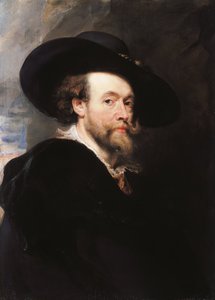
Portrait of Peter Paul Rubens

Peter Paul Rubens

1577–1640 · Germany · 8

Flemish Baroque painter of muscular figures and dynamic compositions, known for luminous skin tones and energetic, swirling religious scenes.

17. The Fall of the Damned, 26. Massacre of the Innocents, 32. Battle of the Amazons, 43. The Lion Hunt, 54. Two Satyrs, 65. The Three Graces, 78. The Raising of the Cross, 98. Rape of the Daughters of Leucippus

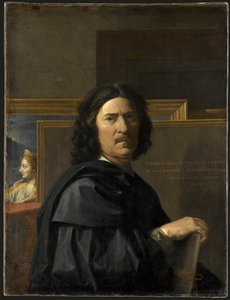
Portrait of Nicolas Poussin

Nicolas Poussin

1594–1665 · France · 7

French Classicist of geometric, rational compositions and mythological scenes, using wax figures and light boxes to plan every detail.

10. The Arcadian Shepherds, 21. The Rape of the Sabine Women, 37. Dance to the Music of Time, 53. Orpheus and Eurydice, 64. Landscape with Polyphemus, 76. Echo and Narcissus, 88. The Poet's Inspiration

Portrait of Johannes Vermeer

Johannes Vermeer

1632–1675 · Netherlands · 6

Dutch Golden Age painter of quiet domestic interiors, using luminous light and ultramarine to capture a single, private moment.

2. Girl with a Pearl Earring, 15. The Art of Painting, 25. The Astronomer, 44. The Little Street, 71. The Geographer, 89. The Procuress

Portrait of Artemisia Gentileschi

Artemisia Gentileschi

1593–1653 · Italy · 6

Italian Baroque painter of dramatic tenebrism and powerful female protagonists, known for visceral depictions of Judith Slaying Holofernes.

14. Self-Portrait as the Allegory of Painting, 20. Judith Slaying Holofernes, 31. Susanna and the Elders, 36. Judith Beheading Holofernes, 74. The Annunciation, 79. Mary Magdalene in Ecstasy

+30more painters represented Top Baroque Artists Ranked list

FAQ

Famous Baroque paintings — FAQ

Point at a question for the answer.

What are the top 10 Baroque paintings?

How much is a reproduction of a famous Baroque painting?

96 of these 100 paintings are available hand-painted in oil, from $170, and 96 as a canvas print, from $42.

Were Baroque paintings done in oil?

Of the 100 paintings, 96 are in oil, 0 in tempera or tempera and oil, and 2 are frescoes painted on the wall. 7 are on wooden panels and 85 on canvas.

How was this list of Baroque paintings ranked?

By recognition: Wikipedia articles in the most languages (Wikidata sitelinks), our manual ranking and page visits. Several records of one painting count once; details, copies and studies are excluded.

Order

96 paintings available as oil reproductions

96 of the 100 are in stock as hand-painted oil reproductions, from $170. Trade and volume orders welcome.

Night Watch by RembrandtGirl with a Pearl Earring by Johannes VermeerLas Meninas (The Maids of Honor) or the Royal Family by Diego VelázquezCalling of Saint Matthew by CaravaggioThe Anatomy Lesson of Dr Nicolaes Tulp by Rembrandt

Shop Baroque paintings

Ranking method

Which paintings: all Baroque paintings in our catalogue. In which order: the best-known first — counted by Wikipedia articles in different languages, our own ranking and page visits. Each painting once; no details, copies or studies.

Other movements

Paintings by period