


 Vista previa
 Compartir
 Compartir
 Ver detalles
 Guía
Guía

 Descargar
 Ver artículos similares
 Radiografía
 Presentación de diapositivas
 Estadísticas
Heads


 Leer más
Giclée / Impresión de arte
Impresiones giclée o en lienzo de calidad de museo con producción rápida y opciones de acabado flexibles. ( Encargar reproducción pintada a mano Ver versión en imagen digital)




P118B $10

P118H $10

P118W $10

P438Z $10

P508JH $12

P508YH $12

P805H $10

P805Z $10

P919BZ $10

P919G $10

P919XJ $10

P959ZH $10

P968JZ $12

W106C $8

W218G $10

W218JH $8

W218Y $10

W307PJ $10

W316G $10

W316PJ $8

W316Y $10

W398PJ $8

W4111J $10

W500HY $15

W500JH $15

W692G $12

W849H $8

W940BG $15

W953PJ $8




Elija entre nuestros tamaños predefinidos que respetan las proporciones originales de la obra.

Puede introducir sus propias dimensiones para adaptarse a un marco o espacio específico. Si el tamaño seleccionado no coincide con las proporciones de la imagen original, recortaremos la obra de arte o extenderemos la imagen con un borde con efecto espejo o de color sólido. Se enviará una maqueta digital para su aprobación antes de que comience la producción.
Tenga en cuenta que la vista previa en pantalla no refleja el recorte o la extensión real. Solo la maqueta mostrará con precisión la composición final.
Aunque existen tamaños personalizados, recomendamos seleccionar una dimensión de la lista predefinida para preservar las proporciones originales.
Envío a todo el mundo () en 2 semanas en lugar de las 4/5 semanas estándar. (24 septiembre)

Envío exprés gratuito a todo el mundo

Lienzo de lino de alta calidad

Seguro de envío completo

Garantía de reembolso de impuestos aduaneros

Garantía de fidelidad cromática exacta

Política de devolución de 100 días (solo por defectos)

Garantía de devolución del 100% del dinero

Oferta por volumen
 La opción de vidrio solo está disponible en tamaños inferiores a 110 cm.

Heads
Giclée / Impresión de arte
Tamaño de la reproducción
-


Precio total
$ 64
A Visceral Encounter with the Human Form
In the evocative painting titled Heads, the viewer is immediately confronted by a raw, primal energy that transcends mere representation. Unlike the serene, color-field abstractions often associated with the era, this work presents a striking trio of faces, their mouths agape in what feels like a silent, collective cry or a shared moment of profound revelation. Each face, rendered with distinct features and expressions, appears to emerge directly from the grain of a wooden surface—perhaps an ancient door or a weathered piece of furniture—lending the composition an organic, almost archaeological quality. This integration of subject and substrate creates a haunting illusion, as if these spirits are trapped within the very material of the world, waiting to be released through the power of sight.
The composition is further enriched by subtle, enigmatic details that invite deep contemplation. Beyond the primary trio of faces, smaller figures linger in the periphery—one tucked near the upper left corner and another positioned toward the right edge. These secondary elements act as silent witnesses, adding layers of complexity and depth to the visual narrative. The way the faces all gaze in a singular direction suggests a shared focus on something unseen by the viewer, evoking a sense of mystery and collective anticipation that is both unsettling and deeply captivating.
Technique and the Texture of Emotion
The artistry behind Heads lies in its masterful command of texture and layered application. The painting possesses a tactile quality that blurs the line between fine art and folk expressionism. By utilizing the natural textures of the wooden background, the artist achieves a sense of permanence and weight. The brushwork, while seemingly spontaneous, is executed with a deliberate hand to ensure that each facial feature carries its own emotional weight. This technique creates a "grained" effect where the pigment seems to seep into the wood, making the faces feel less like paint applied on top of a surface and more like an intrinsic part of the object itself.
For the discerning collector or interior designer, this piece offers a unique opportunity to introduce a conversation starter into any space. The interplay between the ruggedness of the wooden texture and the expressive fluidity of the painted faces provides a sophisticated tension that complements both modern minimalist settings and more rustic, eclectic decors. It is a work that demands attention, pulling the observer into its rhythmic, repetitive movement of gaze and expression.
Symbolism and the Resonance of the Human Spirit
At its core, Heads serves as a profound meditation on the human condition. The open mouths and directed gazes can be interpreted through various lenses: they may represent the universal struggle for voice, the shock of sudden realization, or the shared experience of existential awe. There is an undeniable vulnerability in these figures, yet there is also a monumental strength found in their unified direction. The painting captures that fleeting, intense moment where individual identity merges into a collective emotional state.
To possess a reproduction of such a powerful work is to bring a piece of profound psychological depth into one's environment. It is more than a decorative element; it is an invitation to reflect on the shared vulnerabilities and triumphs of humanity. Whether viewed as a study in primal expression or a complex narrative of hidden figures, Heads remains an enduring testament to the ability of art to capture the intangible essence of the soul.


Biografía del artista
vida temprana e influencias
Mark Rothko (Marcus Rothkowitz), un reconocido artista estadounidense, nació el 25 de septiembre de 1903 en Dvinsk, Letonia. Su familia emigró a los Estados Unidos cuando tenía solo diez años. Este cambio cultural influyó más tarde en su estilo artístico.evolución artística
La obra temprana de Rothko se caracterizó por el **expresionismo abstracto**, un estilo que enfatizaba el proceso de creación del arte más que el producto final. Sus pinturas, como No. 18 (1948) y Untitled (1948), mostraban su enfoque único del color y la forma.- **Campo de color:** El uso de campos de color rectangulares audaces por Rothko, a menudo en marcado contraste entre sí, creó una sensación de profundidad y emoción.
- **Estructura orgánica:** Sus pinturas parecían respirar vida, como si los colores fueran entidades vivientes.
obras notables y exposiciones
- No. 10 (1950), una pintura que marcó un cambio significativo en el estilo de Rothko, ahora forma parte de la colección del Museo de Arte Moderno.
- Las murales de Seagram, una serie de pinturas encargadas para el restaurante Four Seasons, mostraron la capacidad de Rothko para adaptar su estilo a diferentes entornos.
- No. 3 (1950), una pintura que ejemplifica el uso de campos de color rectangulares audaces por Rothko.
vida tardía y legado
La vida de Rothko estuvo marcada por las luchas con la salud mental y un matrimonio tumultuoso. Falleció el 25 de febrero de 1970, a los 66 años. A pesar de sus desafíos, Rothko dejó una huella imborrable en el mundo del arte. Ocre y rojo sobre rojo (campo de color), una pintura que muestra el enfoque único del color de Rothko, se puede encontrar en la colección AllPaintingsStore.com. La página de Wikipedia de Mark Rothko proporciona más información sobre su vida y estilo artístico.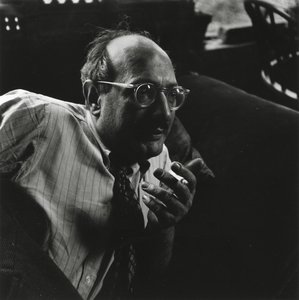
Mark Rothko
1903 - 1970 , Letonia
Datos clave
- Artistas Que Influyeron:
- Edward Hopper
- Pablo Picasso
- Fecha De Muerte: 25 de febrero de 1970
- Fecha De Nacimiento: 25 de septiembre de 1903
- Influencia En Artistas:
- Minimalismo
- Arte contemporáneo
- Lugar De Nacimiento: Daugavpils, Letonia
- Movimiento Artístico: Expresionismo Abstracto
- Nacionalidad: Estadounidense
- Nombre Completo: Mark Rothko (Marcus Rothkowitz)
- Obras Notables:
- No. 18 (1948)
- No. 10 (1950)
- Murales Seagram
- No. 3 (1950)
Artículos relacionados

The Essence of Abstraction: A Definitive Guide to the Power and History of Color Field Painting Masterpieces
Explore the profound emotional depth of Color Field painting. Our expert guide delves into the post-war origins of Abstract Expressionism, analyzing masterpieces by Rothko and Newman. Discover museum-grade, hand-painted oil reproductions that bring art history to your walls.

Mark Rothko: Las 25 Obras Maestras que Definen la Expresión Abstracta | AllPaintingsStore
Descubre las 25 obras maestras de Mark Rothko, pionero del expresionismo abstracto. Explora la historia, el significado y los colores vibrantes que definen su arte emocional. Reproducciones de alta calidad en AllPaintingsStore.com.

Color Field Painting: The Emotional Power of Pure Abstraction and Chromatic Depth
Explore the profound emotional depth of Color Field painting. Discover the history of mid-century abstraction, from Rothko to Newman, and learn how pure color transforms the viewer's experience through our expert art history guide.

Expresionismo Abstracto: 10 Obras Maestras que Transformaron el Arte |
Descubre las 10 obras maestras del Expresionismo Abstracto: Pollock, Rothko y más. Explora la historia, técnica y significado de estos lienzos icónicos. Reproducciones de arte exclusivas en .

The Sublimity of Color: Exploring the Emotional Landscapes of Mark Rothko's Abstract Expressionism
Explore the profound emotional depth of Mark Rothko's abstract expressionism. Discover the history, techniques & lasting impact of this pivotal Color Field painter. Expert insights for collectors and art enthusiasts.


