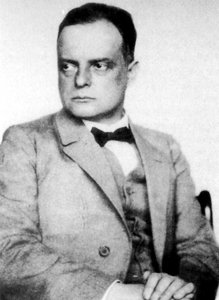
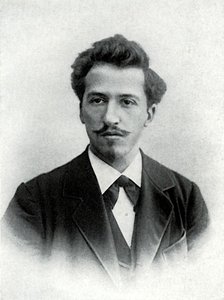
Geometric abstraction is a form of abstract art based on the use of geometric forms sometimes, though not always, placed in non-illusionistic space and combined into non-objective (non-representational) compositions. Although the genre was popularize...
In the high-stakes environment of hospitality design, where a room must command attention without overwhelming the guest, geometric forms provide a necessary architectural weight. These shapes are not merely decorative; they function as anchors within a larger composition. A well-placed square or a sharp, vertical line can define a boundary in an open-plan lobby just as effectively as a physical partition. This sense of permanence is found in the very essence of the form itself.
The history of this structural approach finds its roots in the early experiments of Proto-Cubism. Before the movement fully matured into its more radical phases, artists began to strip away the unnecessary, reducing complex subjects to cubic and conic schemas. This reduction was not a loss of detail, but a gain in clarity. By focusing on the underlying geometry, they revealed a constructive essence that mirrored the burgeoning industrial age.
Today, this same principle applies to large-scale installations. When selecting works for a corporate suite or a hotel corridor, one looks for that same mathematical certainty. A piece that utilizes clean, defined edges offers a sense of stability and strength, providing a visual foundation upon which more fluid design elements can rest.
Chromatic Equilibrium: The Balance of Color and Form in Large-Scale Installations
Exploring the Simplicity of Geometric Harmony This artwork exemplifies the beauty of minimalism through its precise arrangement of geometric forms. Its clean, structured composition invites viewers to appreciate the elegance of basic shapes and the p...
Color possesses the power to alter the perceived temperature and volume of a room, but without structure, it risks becoming chaotic. In professional interior curation, the goal is often to achieve a state where color and form exist in a precise, tensioned relationship. This equilibrium prevents a large wall from feeling visually heavy or, conversely, too sparse.
We see this mastery in the works of Piet Mondrian, particularly in Composition with Blue 1. Here, the arrangement of geometric forms is not arbitrary; it is a calculated study in restraint. The single blue square acts as a visual anchor, punctuating a structured grid to create a focal point that draws the eye without disrupting the overall harmony. It is a lesson in how a singular, bold hue can provide vitality to an otherwise subdued palette.
For the designer managing large room counts, this balance is essential for maintaining a cohesive brand identity across multiple locations. The use of controlled color fields allows for a sense of luxury and intentionality. When the chromatic weight is distributed correctly, the artwork does not merely occupy the wall; it orchestrates the atmosphere of the entire space.
The Logic of the Grid: Establishing Visual Order in Modern Hospitality Interiors
Abstract Composition [Triptych] by Vaclav Vytlacil (1937). Explore this dynamic black & white triptych featuring bold lines, textures & geometric shapes. A key example of American modernism.
Order is the silent requirement of any successful public space. In environments characterized by high traffic and complex layouts, a sense of visual logic helps to guide the guest experience. The grid serves as this guiding principle, offering a predictable and calming structure that mitigates the sensory overload of modern urban life.
This pursuit of order was central to the development of Minimalism and movements like De Stijl. Artists sought to distill art to its essential elements, emphasizing universal principles of harmony and balance. By utilizing a grid-like pattern, they created compositions that offered clarity and a sense of organized space, much like the floor plans of a well-designed hotel.
In contemporary practice, integrating these structured patterns allows for a seamless transition between the architecture and the art. A series of multi-panel paintings, or triptychs, can extend this logic across wide expanses, creating a rhythmic flow that directs movement through a corridor or along a grand staircase. The grid provides a repeatable, scalable language that works as effectively in a boutique lounge as it does in a large-scale convention center.
Fragmented Planes: Utilizing Cubist Perspectives to Enhance Spatial Depth
A Geometric Echo: Picasso’s ‘Geometrical Composition: The Guitar’ Pablo Picasso's “Geometrical Composition: The Guitar,” painted in 1913, isn’t merely a depiction of an instrument; it’s a distilled essence of Synthetic Cubism – a radical departure fr...
While a grid provides order, the fragmentation of planes can provide much-needed depth. In spaces where ceiling heights are fixed or walls feel restrictive, art that plays with perspective can visually expand the boundaries of the room. This is achieved through the clever manipulation of overlapping shapes and varying viewpoints.
The technique was pioneered by the Cubists, notably in works like Pablo Picasso’s Geometrical Composition: The Guitar. Rather than a single, static view, Picasso presented multiple perspectives simultaneously, using interlocking planes to suggest volume and movement. This deconstruction of the subject into triangles, squares, and inverted Vs creates a visual puzzle that invites intellectual engagement.
For the professional decorator, this technique is a tool for spatial manipulation. By introducing works that utilize fragmented forms, one can break up the monotony of flat surfaces. The interplay of light and shadow within these planes adds a layer of complexity to the room, making the walls feel less like barriers and more like windows into a deeper, more dynamic environment.
Mathematical Permanence: Achieving Aesthetic Stability through Geometric Abstraction
A Pioneer of American Abstraction: The Life and Art of Paul Kelpe Paul Kelpe, born in Minden, Germany in 1902, emerged as a pivotal figure in the development of abstract art within the United States. His journey, spanning both continents and artistic...
The ultimate goal in high-end procurement is often the creation of an atmosphere that feels both modern and permanent. There is a specific type of aesthetic stability that can only be achieved through the use of geometric abstraction. Unlike organic forms, which may feel transient or unpredictable, geometric shapes suggest something solid, balanced, and enduring.
This sense of permanence was explored by artists like Paul Kelpe, who moved away from the chaotic styles of his contemporaries in favor of meticulous precision. His work focused on "organizations of forms," utilizing clearly defined geometric elements to celebrate a harmonious relationship between structure and clarity. There is no superfluous brushwork; there is only the strength of the composition.
In the context of long-term interior investments, this stability is invaluable. Artworks that rely on mathematical grace and structural integrity are less susceptible to the whims of passing trends. They provide a consistent level of sophistication that supports the longevity of the space, ensuring that the initial design vision remains impactful for years to come. Whether through custom commissions or curated reproductions from AllPaintingsStore.com, the integration of these permanent forms ensures a lasting impression of excellence.
Discover how geometric art transforms modern interiors. From Cubist-inspired oil reproductions to custom multi-panel abstracts, learn to use shape and color to create architectural depth and soul in your home with expert design trends and professional art consultation.
A professional procurement guide for hotel designers and architects. Discover how to integrate large-scale contemporary abstract paintings, from geometric precision to textured impasto, into hospitality projects with custom sizing, multi-panel layouts, and reliable global logistics.
AConserje del AtelierEn línea · responde en un minuto
¡Hola! Puedo ayudarte a elegir una obra de arte, realizar el seguimiento de un pedido o resolver tus dudas sobre la garantía. ¿En qué puedo ayudarte hoy?


 Geometric abstraction
 Composition with Blue 1
![Abstract Composition [triptych]](/media/artworks/images-thumb/08/3c/083c0675045645fd42d4e6c6d63f1ced.jpg) Abstract Composition [triptych]
Abstract Composition [triptych] Geometrical Composition: The Guitar
 Paul Kelpe