The distinction between a shape that is merely constructed and one that appears to have grown lies in the relationship between the material and its final appearance. In the study of form, we often differentiate between mechanical and organic processes. A mechanical form is produced according to artificial, predetermined rules, much like pressing a specific shape into a mass of wet clay. The result is a structure imposed upon the medium, regardless of the material's inherent properties. In contrast, organic form is innate; it develops from within, much like the way a plant expands through its own internal logic.
This concept finds its historical roots in the literary theories of Samuel Taylor Coleridge. During the Romantic movement, Coleridge defended the perceived lack of rigid structure in the works of William Shakespeare by introducing the idea of organic form. He argued that a true work of art is not a vessel into which content is poured, but a living entity where content and form have coalesced and fused. When the structure originates from the subject matter itself, the resulting work possesses a cohesion that mechanical rules cannot replicate. This principle remains central to contemporary sculpture, where the interplay of voids and solid mass creates a sense of internal necessity rather than external imposition.
The Fluidity of Line: Tracing Natural Contours in Composition
When we observe the movement of a line, we see the difference between the geometric and the biological. Geometric lines are often static, defined by the precision of a ruler or the rigidity of a grid. Organic lines, however, are irregular, flowing, and unpredictable. They mimic the undulating contours of a mountain range or the soft, asymmetrical silhouette of a leaf. This fluidity allows a composition to achieve a natural rhythm, a sense of movement that feels as intuitive as the act of breathing.
This pursuit of natural rhythm is echoed in the Impressionist approach to landscape. In the works of Camille Pissarro, specifically in his depictions of Pontoise, the form lines are predominantly organic, following the natural contours of the terrain. Rather than imposing a strict grid upon the scene, the brushwork allows shapes to remain largely amorphous, blending together to capture the fleeting effects of light. This technique ensures that the landscape is not merely a collection of objects, but a cohesive environment where the human presence and the natural world exist in a state of continuous, flowing connection.
Georgia O'Keeffe. American modernist known for magnified flower forms and desert landscapes in bold, layered colors.
To look closely at a specific object is to discover its unique, internal pattern. The Victorian poet Gerard Manley Hopkins introduced the term inscape to describe the core components that define an individual object and its relationship to the whole. For Hopkins, every entity possesses a distinct essence that can be perceived through a heightened state of sensory awareness. This perception is furthered by instress, the process by which the observer assimilates the immediate sensory experience of an object's unique character.
This focus on the internal essence of a subject is a cornerstone of modern abstraction. In the works of Georgia O'Keeffe, for instance, the subject is often distilled into its most fundamental, organic components. Her compositions utilize continuous, flowing lines and soft, blurred edges to move beyond literal representation. By focusing on the internal logic of a shape, the artist captures a life force that resonates emotionally, allowing the viewer to perceive the essence of the subject rather than just its outward appearance.
Biomorphic Abstraction: The Intersection of Dream and Reality
Max Ernst. German Surrealist pioneer of frottage and collage who used bird-like alter egos and textured rubbings to map the irrational mind.
Biomorphic design occupies a unique space between the recognizable world and pure abstraction. It utilizes shapes that suggest life—reminiscent of cells, shells, or organisms—without strictly mimicking a specific biological subject. This method allows for a sense of abstraction that remains grounded in the logic of living things. It is a way of exploring the psychological depth of form, where the shapes feel as though they have emerged from a subconscious or dreamlike state.
This intersection of the real and the imagined is a defining characteristic of Surrealism. Max Ernst utilized techniques such as collage and frottage to create imagery that feels both organic and uncanny. In his work, botanical imagery and human forms are often juxtaposed in dreamlike compositions, creating a sense of symbolic depth. By using organic forms to represent psychological states, the artist bridges the gap between the tangible world and the fluid, unpredictable nature of the human psyche.
Architectural Symbiosis: The Integration of Built and Natural Forms
Explore the Osun-Osogbo Sacred Grove, Nigeria – UNESCO World Heritage Site! Discover Yoruba spirituality, stunning sculptures & vibrant artistic traditions centered around the goddess of fertility.
The application of organic principles extends beyond the canvas and into the very spaces we inhabit. In architecture, the concept of symbiosis occurs when a structure does not impose itself upon the landscape but emerges from it. This is achieved through the use of materials like timber and stone, which allow the built environment to harmonize with its natural context. When architecture respects the existing topography, it creates a sense of permanence and peace.
A profound example of this philosophy can be found in the Osun-Osogbo Sacred Grove in Nigeria. The structures within the grove are designed to exist in a state of architectural harmony with the ancient trees and winding riverbanks. The carvings and walls appear to grow directly from the earth, reflecting a design language that honors the majesty of the natural world. This approach serves as a functional blueprint for how human innovation can exist in a state of respect and integration with the environment, rather than in opposition to it.
The Emotional Resonance of Color and Organic Geometry
Color and geometry work in tandem to dictate the emotional temperature of an artwork. When organic geometry is paired with specific tonal ranges, the effect can be one of profound tranquility or intense energy. The way color is applied—whether through the thick, textured impasto of an oil painting or the soft, diffused light of a digital render—changes how the viewer perceives the weight and presence of a form. In the works of Georgia O'Keeffe, for example, the emotional resonance of color is tied directly to organic shapes, using a palette of pink, orange, and magenta to define fluid, soft blurred lines that command the viewer's attention.
This resonance is often achieved through the deliberate juxtaposition of key elements. In the works of Denise Levertov, the arrangement of words and images was intended to create an intuitive order, a form that feels as though it has been "brought to speech" through demanding sensory experience. In visual art, this is mirrored when an artist uses color to emphasize the rhythm of a curve or the depth of a shadow. The result is a work that does not merely occupy space, but communicates a specific, felt experience through the careful orchestration of light, color, and shape.
Elevate hospitality interiors with organic forms and biomorphic abstraction. Our expert guide explores integrating fluid shapes and natural patterns into hotel design through professional art procurement, custom multi-panel oil reproductions, and large-scale architectural murals.
Descubre cómo el color, la forma y la textura transmiten emociones en el arte visual. Análisis experto del expresionismo y su impacto psicológico. Guía para coleccionistas y amantes del arte.
Descubre las 10 obras maestras de la abstracción geométrica que revolucionaron el arte moderno. Explora a Mondrian, Malevich y Kandinsky en AllPaintingsStore.com. Reproducciones de alta calidad para tu hogar.
AConserje del AtelierEn línea · responde en un minuto
¡Hola! Puedo ayudarte a elegir una obra de arte, realizar el seguimiento de un pedido o resolver tus dudas sobre la garantía. ¿En qué puedo ayudarte hoy?


 Studies of a tree
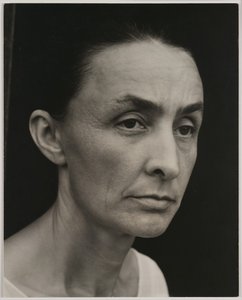 Georgia O'Keeffe
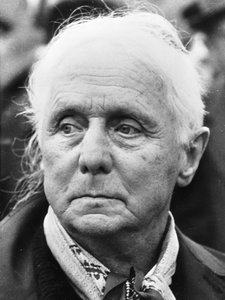 Max Ernst
 The Osun-Osogbo Sacred Grove


