The Psychology of Social Scenes: Using Genre Painting to Enhance Lobby Atmosphere
 Genre painting
 (or petit genre) is the painting of genre art, which depicts aspects of everyday life by portraying ordinary people engaged in common activities. One common definition of a genre scene is that it shows figures to whom no identity can b...
In the high-stakes world of hospitality design, the lobby serves as more than a mere transition point; it is the emotional threshold of the guest experience. To cultivate an immediate sense of belonging and warmth, designers often look toward the profound psychological depth found in genre painting. Unlike the distant grandeur of historical or religious epics, genre art—the depiction of everyday life through ordinary people engaged in common activities—offers a relatable intimacy that can anchor a large, impersonal space. When a guest enters a hotel lobby adorned with scenes of quiet domesticity or communal labor, they are subtly invited into a narrative of human connection. This familiarity acts as an emotional stabilizer, transforming a sterile architectural environment into a sanctuary of shared experience.
The power of these works lies in their ability to portray figures without specific identities, allowing every traveler to project themselves onto the canvas. Whether it is the subtle drama of a 17th-century interior or the industrious charm of a rural scene, genre art provides a window into the rhythms of life that resonate across cultures. For the procurement professional, selecting pieces that emphasize these "small" moments—the shared meal, the quiet conversation, the communal harvest—can significantly influence the perceived hospitality of a brand. By integrating these relatable human narratives, designers can bridge the gap between architectural scale and individual comfort, creating an atmosphere where guests feel not just accommodated, but truly welcomed.
Mastering Light and Movement: Integrating Impressionist Works into Modern Hospitality Design
 Impressionism's Masterpieces: 10 Paintings That Defined a Movement | AllPaintingsStore
Introduction To gaze upon an Impressionist painting is to step into a fleeting moment, captured not with photographic precision, but with the vibrant pulse of light and emotion. It’s a journey back to a time when artists dared to break from tradition...
If genre painting provides the narrative anchor, then Impressionism provides the luminous energy required to breathe life into modern interiors. The Impressionist movement, born from a radical rejection of academic rigidity, offers a toolkit of light, color, and motion that is unparalleled for revitalizing contemporary spaces. For a designer working with sleek, often minimalist hotel aesthetics, the vibrant pulse of an Impressionist masterpiece can act as a vital counterpoint to cold surfaces. These works do not merely depict a scene; they capture the ephemeral essence of a moment—the shimmer of sunlight on water or the dappled light filtering through an orchard canopy.
Integrating these works requires an understanding of their technical brilliance. The visible, energetic brushstrokes characteristic of masters like Monet or Pissarro introduce a tactile dimension that digital prints simply cannot replicate. In a space dominated by smooth glass and polished stone, the textured impasto of a hand-painted reproduction provides much-needed sensory depth. Furthermore, the Impressionist emphasis on plein air techniques—painting directly from nature—brings an organic vitality to indoor environments. By strategically placing works that celebrate natural light and seasonal shifts, designers can manipulate the perceived temperature and mood of a room, using color palettes of lush greens, sky blues, and warm yellows to evoke tranquility or midday vibrancy.
From Landscapes to Lounges: Selecting Period-Specific Art for Restaurant and Bar Interiors
 peter jacob horemans
A Life Immersed in the Courts of Europe: Peter Jacob Horemans Peter Jacob Horemans, a name perhaps less immediately recognizable than some of his contemporaries, nevertheless occupies a fascinating and important niche within 18th-century European pai...
The curation of art for dining and lounge environments demands a sophisticated alignment between historical context and culinary atmosphere. A restaurant’s success often hinges on its ability to transport guests, and the choice of artwork serves as the primary vehicle for this journey. For instance, an upscale bistro might find its identity reinforced by the refined, courtly elegance of 18th-century works, such as those by Peter Jacob Horemans, which document the intimate, often frivolous moments of aristocratic life. Such pieces evoke a sense of heritage and prestige, perfectly complementing fine dining service and opulent decor.
Conversely, a more casual, coastal-themed lounge might draw inspiration from the serene, maritime narratives found in John Singer Sargent’s depictions of coastal life. The sight of oyster gatherers returning to shore introduces a narrative of abundance and leisure that aligns seamlessly with a seafood-centric menu. Designers must consider how the subject matter interacts with the sensory experience of food and drink; landscapes that evoke the lushness of the French countryside or the industrious beauty of an apple orchard can stimulate appetite and relaxation through their themes of fertility and harvest. The goal is to create a cohesive ecosystem where the art, the architecture, and the menu all sing from the same historical and emotional hymn.
Scale and Composition: Implementing Multi-Panel Group Sets for Large-Scale Hotel Walls
 Cézanne's Masterpieces: 25 Iconic Artworks to Transform Your Space
Introduction There’s a quiet intensity that clings to Paul Cézanne's work, an almost palpable sense of searching—a relentless pursuit of capturing the essence of light and form. To assemble a ‘Top 25’ is, in itself, a somewhat reductive act; it feels...
One of the most significant challenges in hotel design is the management of expansive, often intimidating wall surfaces, such as those found in grand staircases or long corridors. Traditional single-canvas approaches can sometimes feel lost within the sheer volume of a monumental lobby. To combat this, the modern designer can utilize the "multi-panel" trend—splitting a singular, iconic composition across three, four, or even five separate panels. This technique, known as a group set, allows for a more architectural integration of art, turning a painting into a structural element that guides the eye through the space.
When executed with precision, these multi-panel installations create a sense of rhythm and movement. The key to success lies in ensuring that the colors and brushstrokes flow seamlessly across every panel, maintaining the integrity of the original masterpiece while adapting it to a contemporary, fragmented aesthetic. This approach is particularly effective for creating focal points in wide hallways or as a way to break up the monotony of long, uninterrupted vistas. For procurement managers, this offers a scalable solution: a single high-impact concept can be expanded or contracted to fit various architectural requirements across a hotel portfolio, ensuring brand consistency while addressing the unique spatial demands of each property.
Strategic Sourcing: A Procurement Manager’s Guide to Custom Reproductions and Bulk Orders
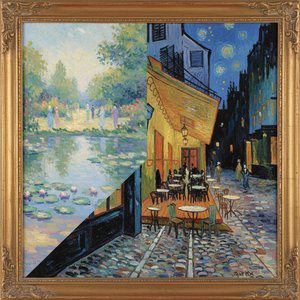 Beyond Light & Color: Impressionism vs. Post-Impressionism for the Discerning Collector
The Dawn of Impressionism: Capturing Fleeting Moments Impressionism, a revolutionary art movement born in 19th-century France, marked a radical departure from the academic traditions that had long dominated the art world. Artists like Claude Monet, P...
For the hospitality professional, the art procurement process is often defined by the dual pressures of time and budget. Managing large-scale renovations or new hotel openings requires a reliable partner who understands the complexities of volume ordering, logistics, and quality control. The modern solution lies in high-quality, hand-painted reproductions that offer the prestige of museum-grade art with the operational efficiency of a professional trade supplier. Unlike mass-produced prints, which can lack the necessary depth for luxury environments, hand-painted oils on cotton canvas provide the visible texture and tonal range essential for high-end interiors.
A sophisticated procurement strategy involves leveraging services that offer complete customization—from "remixing" historical styles to adjusting color palettes to match a specific brand identity. The ability to request a modern photograph be transformed into an Impressionist-style masterpiece allows designers to create bespoke, site-specific installations that are entirely unique to the property. Furthermore, a reliable supplier must provide more than just art; they must offer a robust order management system, transparent shipping timelines via DHL or FedEx, and seamless international logistics, including VAT support and customs documentation. In the high-volume business of hospitality, trust is built through the reliability of the supply chain, ensuring that every piece arrives as promised, ready to transform a space into a landmark.