El Renacimiento de la Porcelana en Guimarães
A finales del siglo XVIII, entre los florecientes paisajes de Guimarães, Portugal, se gestó un periodo de profunda transformación artística. Esta fue la era de la edad de oro de la porcelana portuguesa, un tiempo en el que el mecenazgo real y una industria incipiente buscaban rivalizar con el esplendor de los talleres más prestigiosos de Europa. Fue dentro de esta atmósfera vibrante donde André Godim de Amorim, nacido en 1756, comenzó su ascenso. Su obra emergió de un entorno donde la precisión técnica se encontraba con la opulencia decorativa, permitiéndole convertirse en una figura fundamental en la evolución del arte cerámico portugués.La Alquimia del Pincel y el Relieve
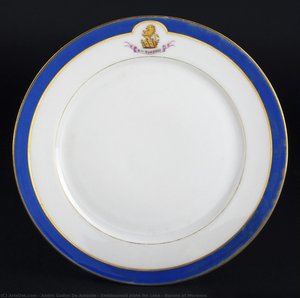
El arte de Amorim se definió por un dominio asombroso tanto del color como de la textura, tendiendo un puente entre la pintura y la escultura. Su técnica se caracterizaba por pinceladas notablemente delicadas, que permitían un nivel de detalle exquisito capaz de capturar la esencia misma de los estilos barroco y rococó. Sin embargo, fue su maestría en el relieve lo que verdaderamente distinguió su trabajo. Al manipular la superficie cerámica para crear elementos táctiles y elevados, transformó simples platos en lienzos multidimensionales. Estas texturas en relieve, que a menudo presentaban intrincados motivos florales y emblemas heráldicos estilizados, interactuaban con la luz para producir una sensación de profundidad y movimiento que parecía casi viva.Un Legado de Esplendor Cerámico
La importancia histórica de André Godim de Amorim se extiende mucho más allá de los confines de su taller. Su capacidad para elevar objetos funcionales a la categoría de bellas artes dejó una huella indeleble en las tradiciones decorativas de Portugal. Quizás nada ejemplifica esta maestría mejor que la Placa de los Barones de Morenos, una obra que se erige como testimonio de su destreza y del prestigio perdurable de su época. A través de su enfoque meticuloso, Amorim aseguró que la delicada elegancia del rococó y la grandeza del barroco quedaran preservadas en la porcelana, dejando tras de sí un legado que continúa cautivando tanto a coleccionistas como a historiadores del arte.Preguntas y respuestas
¿Puedo explorar las obras de André Godim De Amorim por espectro de color?
Las obras de André Godim De Amorim pueden explorarse por color en la página Índice de color del artista.
¿Dónde puedo ver la paleta cromática de la obra de André Godim De Amorim?
El perfil cromático de la obra de André Godim De Amorim se puede consultar en su página de ADN de la Paleta.
¿Dónde y cuándo nació André Godim De Amorim?
André Godim De Amorim nació en Guimarães en 1756.