Giambattista Tiepolo: El Arquitecto de la Luz Veneciana
Giovanni Battista Tiepolo (1696 – 1770) se erige como un titán entre los pintores de su era, un maestro indiscutible del Rococó y, posiblemente, el artista de frescos más influyente del siglo XVIII. Nacido en Venecia, Italia —una ciudad impregnada de tradición artística—, Tiepolo ascendió a una fama sin precedentes a través de sus lienzos asombrosos y murales monumentales que transformaron iglesias y palacios en experiencias inmersivas de color, drama y grandeza ilusionista. Su legado continúa inspirando a los artistas de hoy, consolidando su lugar como una de las figuras más prominentes en la historia del arte veneciano.
- Primeros años y formación: El viaje artístico de Tiepolo comenzó bajo la tutela de Giovanni Antonio Pellegrini, un respetado pintor veneciano que le inculcó una comprensión fundamental del disegno —el término italiano para el dibujo y el diseño—, piedra angular de la estética barroca. Al reconocer su talento prodigioso, Pellegrini alentó a Tiepolo a realizar estudios en las academias boloñesas, donde perfeccionando sus habilidades junto a artistas como Francesco Bartolomeo Rastrelli y Antonio Canaletto, absorbiendo influencias tanto de la grandeza barroca como de la emergente elegancia del Rococó.
- El taller veneciano y el gran salto artístico: Al regresar a Venecia en 1726, Tiepolo estableció un taller prolífico que rápidamente se convirtió en sinónimo de excelencia artística. Adoptó los preceptos estilísticos del Rococó —caracterizado por una ornamentación delicada, tonos pastel y composiciones asimétricas—, pero mantuvo un compromiso esencial con los principios clásicos de la proporción y la perspectiva. Esta mezcla armoniosa dio como resultado obras que cautivaron al público y cosecharon el aplauso de la crítica, destacando especialmente sus frescos que adornan el Palazzo Labia y el Ca’ Rezzonico.
- Patrocinio real y grandes encargos: La reputación artística de Tiepolo atrajo rápidamente la atención de los monarcas europeos, asegurándole lucrativos encargos de reyes y príncipes por toda Italia, España y Prusia. Sus monumentales frescos en el Palacio de Schönbrunn, cerca de Viena, y en el Palacio de Sanssouci en Potsdam, ejemplifican su maestría en la escala y la presentación teatral, transformando los espacios en espectáculos opulentos que celebraban el poder real y la innovación artística.
Técnica e innovación: La técnica distintiva de Tiepolo implicaba una preparación meticulosa, utilizando dibujos preparatorios en grisalla para establecer relaciones espaciales precisas antes de aplicar capas de color vibrante. Fue pionero en métodos innovadores de mezcla de pigmentos y veladuras, creando superficies luminosas que parecían emanar luz propia, un sello distintivo de su incomparable visión artística. Sus frescos son reconocidos por su uso magistral del claroscuro —el juego entre la luz y la sombra—, generando una sensación palpable de profundidad y dinamismo.
- Legado e influencia: La influencia de Tiepolo se extendió mucho más allá de su vida, moldeando la sensibilidad estética de las generaciones posteriores de artistas. Su énfasis en la pintura ilusionista impactó profundamente los estilos Barroco y Rococó, estableciéndolo como un campeón indiscutible de la grandeza teatral y el esplendor visual. Hoy en día, las obras de Tiepolo siguen inspirando asombro y admiración, sirviendo como monumentos perdurables del genio artístico veneciano.
Obras Notables y Logros Artísticos
- Asunción de la Virgen en San Giorgio Maggiore: Considerada la obra maestra de Tiepolo, este fresco monumental ejemplifica su habilidad inigualable para crear entornos inmersivos y transmitir una profunda emoción espiritual. Su techo ascendente representa a la Virgen María elevándose al cielo en medio de una procesión celestial, un espectáculo impresionante de color y movimiento que permanece insuperable.
- El Triunfo de San Pedro: Ubicado en la Basílica de San Pedro, en Roma, este fresco conmemora la ceremonia de coronación papal, una gran celebración de la autoridad papal plasmada con un detalle meticuloso y una vibrante luminosidad.
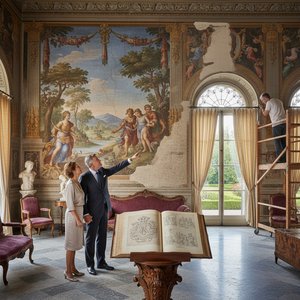
- Frescos del Palazzo Labia: Los frescos de Tiepolo dentro del Palazzo Labia muestran su maestría en la pintura ilusionista, creando un panorama cautivador de la vida veneciana que transporta a los espectadores de regreso al siglo XVIII.
Conexiones e Influencias Artísticas
El desarrollo artístico de Tiepolo estuvo profundamente moldeado por las corrientes estilísticas predominantes de su época. Absorbió influencias del dramático claroscuro de Caravaggio y de la virtuosisidad escultórica de Bernini, abrazando la grandeza barroca mientras exploraba simultáneamente los delicados principios estéticos del Rococó. Además, colaboró estrechamente con Antonio Canaletto, cuyas meticulosas pinturas de paisajes urbanos sirvieron de inspiración para las propias representaciones de Tiepolo de los paisajes urbanos venecianos.