biografía y estilo artístico
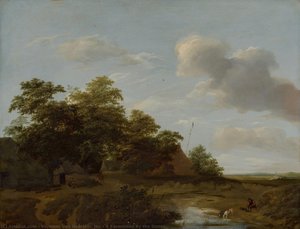
jan vermeer van haarlem, pintor del Siglo de Oro neerlandés originario de Haarlem, nació en 1656 y falleció el 28 de mayo de 1705. Especializado principalmente en el género del paisaje, fue bautizado en Haarlem el 29 de noviembre de 1656. Según los registros del RKD, recibió sus primeras enseñanzas de su padre, jan vermeer van haarlem el padre, y más tarde se convirtió en un destacado seguidor de nicolaes berchem.influencias artísticas y estilo
La obra de vermeer van haarlem se distingue por sus paisajes italianizantes, que evocan la atmósfera de las creaciones de su padre y de berchem. El artista solía firmar sus obras como 'j v der meer de jonge' (jan van der meer el joven). Su estilo artístico es notable por el uso de una iluminación dramática y una representación meticulosa de la anatomía humana.obras notables y museos
- paisaje en el borde de las dunas (52 x 68 cm, mauritshuis (la haya, Países Bajos, óleo sobre lienzo)
- una granja junto a las dunas (52 x 68 cm, mauritshuis (la haya, Países Bajos, óleo sobre lienzo)
otros artistas notables y sus obras
- jacob isaacksz. van ruisdael: robles en un lago con nenúfares (142 x 116 cm, óleo sobre lienzo)
- nicolaes pieterszoon berchem: paisaje fluvial cerca de montfoort, c. 1655 (albertina (viena, austria), pincel
- descubra más sobre las obras de vermeer van haarlem y el Siglo de Oro neerlandés en AllPaintingsStore.com: vermeer van haarlem, jan
- explore el mauritshuis (la haya, Países Bajos) y su colección en descubra las obras maestras del mauritshuis, la haya
- aprenda más sobre otros pintores del Siglo de Oro neerlandés y sus obras en AllPaintingsStore.com
- jan vermeer van haarlem fue un pintor del Siglo de Oro neerlandés de Haarlem.
- fue principalmente un paisajista, influenciado por su padre y nicolaes berchem.
- sus obras notables incluyen paisaje en el borde de las dunas y una granja junto a las dunas, ambas presentes en el mauritshuis (la haya, Países Bajos).
Preguntas y respuestas
¿Existe una lista completa de las obras de Jan Vermeer Van Haarlem?
Todas las obras de Jan Vermeer Van Haarlem en este sitio web pueden explorarse desde la página de Todas las obras del artista.
¿Puedo explorar las obras de Jan Vermeer Van Haarlem por movimiento?
Las obras de Jan Vermeer Van Haarlem pueden explorarse por movimiento en la página de Todos los movimientos del artista.
¿Cómo puedo seguir la obra de Jan Vermeer Van Haarlem año tras año?
Las obras de Jan Vermeer Van Haarlem pueden verse en orden cronológico en la página de Cronología de obras del artista.