Garantía de devolución · 30 días Envío gratuito a todo el mundo
446 261obras de arte 30 640artistas 4 753museos 32Idiomas
País
Moneda
Idioma
Atelier · Est. 2015 · París, Francia
AllPaintingsStore
allpaintingsstore.com
Mi cuenta Lista de deseos Carrito

Nara Yoshitomo Zuzanna

Resumen biográfico

  • Top-ranked work: La noche más larga
  • Top 3 works:
    • La noche más larga
    • La pequeña habitante de las estrellas
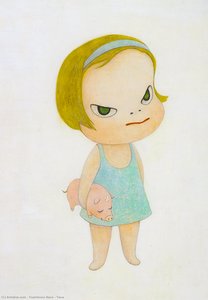
    • Tana
  • Born: 1959, Hiroasaki, Japón
  • Gift suitability: cumpleaños
  • Movements: pop art
  • Museums on APS:
    • Centro Balántico de Arte Contemporáneo
    • Centro Balántico de Arte Contemporáneo
    • Centro Balántico de Arte Contemporáneo
    • Centro Balántico de Arte Contemporáneo
    • Centro Balántico de Arte Contemporáneo
  • Ver más…
  • Art period: Contemporáneo
  • Nationality: Japón
  • Color intensity: vívido
  • Works on APS: 73
  • Copyright status: Under copyright
  • Creative periods: mature period

Test de arte

Solo hay una respuesta correcta para cada pregunta.

Pregunta 1:
¿Dónde estudió Nara Yoshitomo Zuzanna en Alemania?
Pregunta 2:
¿Qué género musical influyó en el estilo artístico de Nara Yoshitomo Zuzanna durante su juventud?
Pregunta 3:
¿Cuántos exposiciones individuales ha tenido Nara Yoshitomo Zuzanna desde 1984?
Pregunta 4:
¿En qué museo internacional se exhibió la exposición más reciente de Nara Yoshitomo Zuzanna?
Pregunta 5:
¿Qué artista japonés influyó en Nara Yoshitomo Zuzanna?

early life and education

Nara Yoshitomo Zuzanna, a Japanese artist celebrated for his unsettling yet beautiful depictions of young girls wielding knives and confronting viewers with piercing stares, was born on December 5, 1959, in Hirosaki, Aomori Prefecture, Japan. From a young age, he demonstrated an affinity for manga and anime—influences that would permeate his artistic vision throughout his career. He pursued formal artistic training by earning a Bachelor of Fine Arts (BFA) degree from the Aichi Prefectural University of Fine Arts and Music in 1985 and subsequently obtaining an M.F.A. from the same institution in 1987. Recognizing the importance of international experience, Nara embarked on a transformative journey to Düsseldorf, Germany, where he studied at Kunstakademie Düsseldorf between 1988 and 1993. This period profoundly shaped his artistic style, introducing him to Western avant-garde traditions and fostering a distinctive approach to visual storytelling.

artistic style and themes

Nara Yoshitomo Zuzanna’s artwork distinguishes itself through its deceptively simple compositions that conceal layers of psychological depth. He consistently portrays young girls—often presented with unnervingly calm expressions—holding knives or confronting the viewer with intense gazes. This juxtaposition of innocence and horror—a recurring motif in his oeuvre—captures the essence of his artistic vision, resonating powerfully with audiences globally. His paintings are characterized by muted color palettes, meticulous detail, and a subtle use of symbolism that invites contemplation. The artist’s technique blends elements of realism with surrealism, creating images that simultaneously evoke familiarity and unease.

global recognition and exhibitions

Nara Yoshitomo Zuzanna has garnered considerable acclaim for his artistic endeavors since 1984, achieving international renown through numerous solo exhibitions spanning decades. His work has been showcased at prestigious institutions such as the Museum of Modern Art (MoMA) in New York City and the Museum of Contemporary Art Los Angeles (MOCA), cementing his position as a prominent figure within the contemporary art landscape. Notably, “Yoshitomo Nara: Nobody’s Fool,” held at the Asia Society in New York in 2010, served as a landmark presentation of his artistic trajectory.

influences and impact

Nara Yoshitomo Zuzanna's artistic style owes considerable debt to Japanese pop culture—specifically manga and anime—which nurtured his imaginative sensibilities from childhood. Furthermore, he embraced the rebellious spirit of punk rock music during his formative years, channeling its energy into his creative process. This confluence of influences—cultural heritage combined with countercultural ethos—has propelled him to international prominence and solidified his legacy as a visionary artist who continues to inspire artists and critics alike.

conclusion

Nara Yoshitomo Zuzanna’s artistic output transcends mere visual representation; it delves into profound psychological explorations, confronting viewers with unsettling beauty and challenging conventional notions of innocence. His enduring fascination with young girls—often depicted in moments of vulnerability yet imbued with an unnerving gaze—has established him as a singular voice within contemporary Japanese art, securing his place as one of the most recognizable and influential artists of our time.