


 Vaata sisu
 Jaga teost
 Jaga
Jaga
 Detailid
 Juhend

 Laadi alla
 Sarnased teosed
 Röntgenuuring
 Slaidietendus
 Statistika
Lutist
 Õli
Õli- Seinakunst
- Baroque
 1667
1667- Varajärgmine modernne ajastu
 53.0 x 39.0 cm
 Staatliche Museen
 Loe lähemalt
Käsitsi valmistatud õlimaalireproduktsioon
Meie kunstnike poolt tellimusel valmistatud käsitsi maalitud õli-kainaste teos teie soovitud suuruses ja raamis. ( Lülita trükkitoodetele Ülemineku digitaalse pildi müügi kanalisse)




P118B $10

P118H $10

P118W $10

P438Z $10

P508JH $12

P508YH $12

P805H $10

P805Z $10

P919BZ $10

P919G $10

P919XJ $10

P959ZH $10

P968JZ $12

W106C $8

W218G $10

W218JH $8

W218Y $10

W307PJ $10

W316G $10

W316PJ $8

W316Y $10

W398PJ $8

W4111J $10

W500HY $15

W500JH $15

W692G $12

W849H $8

W940BG $15

W953PJ $8




Vali meie eelmääratud suurused, mis vastavad teose algupärastele proportsioonidele.

Sa võite sisestada oma mõõtmed konkreetse raami või ruumi sobivuse tagamiseks. Kui teie valitud suurus ei vasta originaalpildi proportsioonidele, siis kärvime kunstiteost või laiendame maali täiendavate käsitsi maalitud elementidega. Enne tootmise algust saadetakse teile heakskiitmiseks digitaalne eelvaade.
Palun pidage meeles, et ekraanil kuvatav eelvaade ei kajasta tegelikku kärpimist või laiendamist. Ainult eelvaade näitab täpselt lõplikku kompositsiooni.
Kuigi on saadaval kohandatud suurused, soovitame originaalproportsioonide säilimiseks valida mõõdud eelmääratletud nimekirjast.
Pärast tellimust saadab AllPaintingsStore.com meeskond kliendile e-posti juhised ning esitab eelvaate kavandi
Maailmline tarne 3–4 nädala jooksul tavalise 5 nädala asemel. (22 september). Kvaliteedis kompromisse ei tehta.

Tasuta ekspresssaatmine üle maailma

Kõrgekvaliteediline lina-kangastest muld

Täielik transpordikindlustus

Tollimaksude tagastamise garantii

Värvitoime täpsuse garantii

100 päeva tagastusõigus (ainult defektide korral)

100% raha tagasi garantii

Hulgusoodustus
 Klaasivalik on saadaval ainult kuni 110 cm suuruses teostes

Lutist
Reproduktsiooni materjal
Reproduktsiooni mõõtmed
-


Lõppsumma
$ 258
A Window into Dutch Domestic Life: Gerard ter Borch’s “The Lute Player”
Gerard ter Borch's "The Lutenist," painted in 1667, transcends mere portraiture; it’s a meticulously crafted snapshot of seventeenth-century Dutch bourgeois society—a scene brimming with understated elegance and psychological depth. This captivating artwork resides within the Kunsthistorisches Museum Wien’s collection, offering viewers an unparalleled glimpse into the refined tastes and intellectual pursuits of the era.Subject Matter and Composition
The painting depicts a woman seated comfortably in a chair, accompanied by a lute player. The woman is engrossed in reading a book, while her gaze drifts towards the lute instrument—a gesture that speaks volumes about the importance placed on education and contemplation within Dutch households during this period. Notably, a piano sits discreetly in the background, hinting at the burgeoning musical culture of the time and subtly elevating the domestic setting beyond the ordinary. Ter Borch’s masterful composition utilizes chiaroscuro – dramatic contrasts between light and shadow – to sculpt the figures and create an atmosphere of intimacy and quiet contemplation. The positioning of the chairs emphasizes a sense of relaxed formality, reflecting the values of the upper middle class.Style and Technique: Rembrandt's Legacy
Ter Borch’s artistic style is undeniably influenced by Rembrandt van Rijn, his predecessor and arguably the most celebrated painter of the Dutch Golden Age. Like Rembrandt, ter Borch employed a technique characterized by exceptional realism—a painstaking attention to detail that captures not only physical appearance but also subtle nuances of expression and texture. The artist achieved this remarkable level of accuracy through meticulous layering of glazes – thin translucent coats of paint applied over multiple sessions – resulting in an astonishingly luminous surface. This technique, perfected by Rembrandt himself, allows for the depiction of light as it interacts with surfaces, creating a palpable sense of depth and atmosphere.Historical Context: The Enlightenment’s Quiet Influence
“The Lute Player” emerges from the broader context of the Dutch Enlightenment—a period marked by intellectual curiosity and a fascination with observation and reason. Ter Borch's depiction aligns perfectly with this cultural ethos, portraying a scene that prioritizes intellectuality alongside domestic tranquility. The lute itself symbolizes musical refinement and erudition, reflecting the humanist ideals prevalent during the era. Furthermore, the inclusion of the piano underscores the growing interest in scientific inquiry and artistic innovation—a testament to the dynamism of Dutch culture at the time.Symbolism: Beyond Appearance
Beyond its visual splendor, “The Lute Player” is laden with symbolic significance. The woman’s reading posture represents intellectual engagement and moral virtue – qualities highly valued within Dutch society. Her gaze towards the lute suggests a harmonious balance between contemplation and artistic appreciation. The book symbolizes knowledge and learning, while the lute embodies musical artistry and sophistication. Ter Borch skillfully conveys these ideas through subtle gestures and facial expressions, inviting viewers to contemplate the complexities of human experience.Emotional Impact: A Moment Frozen in Time
Ultimately, “The Lute Player” succeeds in capturing a fleeting moment of domestic serenity—a scene imbued with warmth and understated beauty. The artist’s masterful use of chiaroscuro evokes a profound sense of intimacy, drawing viewers into the quiet contemplation of the figures depicted. It's a painting that speaks to our enduring fascination with human connection and the pursuit of intellectual enrichment—a timeless masterpiece that continues to resonate with audiences centuries after its creation.Sarnased teosed


Sarnased artiklid
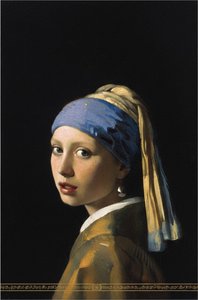
Hollandi Kuldaja Särgas Kunstipärit: 10 Meisterteost Sinu Koduks
Sukeldu Hollandi Kuldaja kunstivorme! Avasta 10 ikoonilist meistriteost – Rembrandt, Vermeer jt. - ning nende ajatu loojatööd. Leia inspiratsiooni interjöörile ja kaunista kodu AllPaintingsStore.com kvaliteetsete reproduktsioonidega. Uuri kollektsiooni!

Golden Light & Dutch Skies: The Timeless Magic of Dutch Golden Age Landscapes
Discover the breathtaking beauty of Dutch Golden Age landscapes. Explore the mastery of light, chiaroscuro, and 17th-century realism through an expert art history lens, celebrating the enduring legacy of the Dutch Masters for discerning collectors and art lovers.

Illuminating Innovation: Exploring the Dutch Golden Age of Painting
Explore the Dutch Golden Age of painting with AllPaintingsStore. Discover Rembrandt, Vermeer & other Masters. Learn about key characteristics, iconic artworks, and lasting influence. Expert insights for collectors & enthusiasts.

Golden Age Reflections: Dutch Baroque Painting & Cultural Innovation
Explore the Dutch Golden Age of painting! Discover key artists like Vermeer & ter Borch, their innovative techniques, and the rich cultural context behind these Baroque masterpieces. Learn about collecting & appreciating this iconic art period.

Mastering Light & Shadow: A Journey Through the Dutch Golden Age's Luminous Legacy
Embark on a cultural journey through the Dutch Golden Age. Explore the masterful interplay of light and shadow in 17th-century masterpieces, from Rembrandt to Vermeer, and discover how this era of profound realism continues to inspire fine art collectors today.


