Mastering Light & Detail: A Definitive Guide to the Dutch Golden Age Art Movement
Explore the mastery of light and detail in Dutch Golden Age art. From Rembrandt's chiaroscuro to Vermeer's realism, discover how these 17th-century techniques inspire our premium, handmade oil painting reproductions for professional interiors and collectors.
The Luminous Dawn: Understanding the Spirit of the Dutch Golden Age Dutch Masters: 10 Golden Age Paintings That Still Inspire | Introduction Imagine stepping into a world bathed in soft northern light, where everyday life is elevated to extraordinary...
To step into the world of the seventeenth-century Netherlands is to enter a realm where the very air seems heavy with the scent of salt spray, damp earth, and the quiet hum of a nation finding its soul. This was the era of the Dutch Golden Age, a period of unprecedented artistic flourishing born from the crucible of independence and the burgeoning prosperity of the Dutch Republic. Following decades of struggle for liberation from Spanish rule, the Netherlands emerged not merely as a sovereign state, but as the most prosperous nation in Europe, leading the world in trade, science, and, most vibrantly, art. Unlike the grand, often intimidating displays of power found in the royal palaces of France or the religious monuments of Italy, the art of this era was profoundly intimate. It was a revolution of the everyday. As the new Republic moved away from monarchist and Catholic traditions, the demand for religious iconography waned, replaced by a hunger for something more personal—a mirror held up to the lives of the people themselves. This shift birthed a unique aesthetic where the mundane was elevated to the extraordinary, and where the quiet beauty of a domestic interior or a sweeping horizon could command as much reverence as any saint or king.
Chiaroscuro and Character: The Dramatic Interplay of Light and Shadow
The Golden Age Context: Prosperity, Independence, and the Rise of Dutch Realism Chiaroscuro & Character: Mastering the Dramatic Light of Dutch Golden Age Art The Golden Glow: How 17th-Century Prosperity Fueled an Artistic Revolution Illuminating Real...
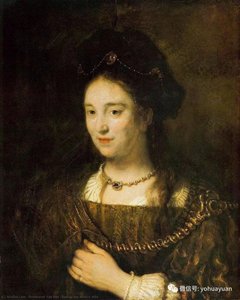
At the heart of this movement lies the mastery of chiaroscuro, the technical use of strong contrasts between light and dark to achieve a sense of volume and emotional intensity. This technique, often associated with the broader Baroque tradition, allowed artists to sculpt figures out of the darkness, imbuing them with a palpable three-dimensional presence. One need only look at the works of Rembrandt van Rijn to witness this masterclass in character. In his portraits, light does not merely illuminate; it reveals the psychological depth and inner life of the subject, pulling features from the shadows to tell a story of experience, wisdom, or even vulnerability. This dramatic interplay is not limited to portraiture but extends into the very fabric of the compositions themselves. The use of shadow serves as a structural element, directing the viewer's eye and creating a sense of mystery and focus. Whether it is the theatrical lighting found in the works of Nicolaes Keyser, which often utilized opulent fabrics and dramatic light to convey social standing, or the more subtle, atmospheric shadows in genre scenes, chiaroscuro remains the definitive language of the Dutch Golden Age, turning a flat canvas into a stage for human drama.
Genre Painting and the Beauty of the Everyday: From Domestic Interiors to Maritime Grandeur
LE DUO CHANTEUSE ET JOUEUR DE LUTH THEORBE – A Window into Dutch Golden Age Intimacy Gerard ter Borch’s “Le Duo: chanteuse et joueur de luth théorbé,” painted around 1669-1670, stands as a quintessential example of Dutch genre painting—a movement tha...
The true genius of the Dutch masters lay in their ability to find the monumental within the miniature. This was most evident in genre painting, a movement dedicated to depicting everyday life with remarkable realism and psychological depth. In the quiet, modestly furnished interiors captured by artists like Gerard ter Borch, we find a window into Dutch intimacy. His work, such as Le Duo: chanteuse et joueur de luth théorbé, exemplifies this serene domestic tableau, where the focus on a musical performance creates a moment of quiet contemplation. Yet, the scope of Dutch art was not confined to the home. The same meticulous observation applied to the vast, maritime ambitions of the Republic. In the sweeping seascapes and maritime works of artists like Abraham Storck, we see the grandeur of exploration. His depictions of Dutch whalers navigating the icy waters near Spitsbergen serve as a testament to the era's daring enterprise. From the tranquil, light-drenched domestic scenes to the breathtaking vistas of Arctic exploration, the subject matter of the Golden Age reflected a nation that was simultaneously looking inward at its own values and outward toward the expanding horizons of the global stage.
Mastering Texture and Detail: The Technical Brilliance of the Dutch Masters
The Windmill at Wijk bij Duurstede: A Dutch Masterpiece of Light and Atmosphere Jacob Isaackszoon van Ruysdael’s “The Windmill at Wijk bij Duurstede” isn't merely a depiction of a rural scene; it’s a profound meditation on light, space, and the endur...
The enduring allure of these paintings is rooted in a technical precision that borders on the miraculous. The Dutch masters possessed an almost scientific curiosity, which translated into a profound respect for texture and material reality. They did not merely paint objects; they painted the essence of them. One can almost feel the weight of heavy velvet, the coolness of polished pewter, or the rough grain of weathered wood. This level of detail was achieved through meticulous brushwork and a sophisticated understanding of oil painting chemistry. Artists layered tonal variations to create depth, using specific oils to ensure that whites remained bright and did not yellow over time. This dedication to realism extended to the natural world as well; in landscapes like Jacob van Ruysdael’s The Windmill at Wijk bij Duurstede, the artist captures the subtle beauty of the atmosphere, the movement of clouds, and the enduring spirit of the Dutch landscape with a precision that invites endless contemplation. It is this commitment to the tactile—the visible brushstroke and the rich, deep tonal range—that distinguishes these works from mere reproductions, offering a sensory experience that transcends time.
The Enduring Legacy: How Golden Age Aesthetics Inform Modern Art Commissions
Today, the aesthetic principles of the Dutch Golden Age continue to resonate deeply within the world of fine art and interior design. The movement's emphasis on light, texture, and the elevation of the everyday provides a timeless blueprint for creating spaces of profound character and elegance. At AllPaintingsStore.com, we honor this legacy by offering high-quality, handmade oil reproductions that bring this historical brilliance into contemporary environments. For professionals such as procurement managers and decorators furnishing hotels or corporate spaces, these works offer a way to introduce a sense of permanence and prestige. Our artists, holding degrees from prestigious academies, specialize in recreating the very techniques—the impasto, the chiaroscuro, and the meticulous detail—that defined the 17th century. Whether through a large-scale multi-panel landscape for a wide hotel corridor or a custom portrait reimagined in the style of Rembrandt, we provide the tools to bridge the gap between art history and modern architectural needs. By bringing the luminous dawn of the Dutch Golden Age into the present, we ensure that the mastery of light and detail continues to inspire generations to come.
Discover the luminous mastery of Dutch Golden Age landscapes. Our expert guide explores the atmospheric realism of masters like Van Goyen and Cuyp. Elevate your space with museum-quality, hand-painted oil reproductions from AllPaintingsStore.com. Art history, beautifully realized.
Elevate your hospitality or corporate interiors with the timeless beauty of Dutch Golden Age landscapes. Our expert guide explores iconic works by masters like Van Goyen and Swanevelt, perfect for professional designers seeking high-quality, hand-painted oil reproductions.
Explore the profound beauty of Dutch Golden Age genre painting. From Ter Borch to Vermeer, discover how masters captured everyday life through exquisite realism and psychological depth in this expert art history guide.
Explore the profound mastery of light and shadow in Dutch Golden Age paintings. From Rembrandt's dramatic chiaroscuro to serene landscapes, discover the techniques that defined an era of art history and learn how these timeless masterpieces are preserved for modern collectors.
Avastage Rijksmuseumi 25 kõige vaimustavamat meistriteost! Sukeldu Rembrandti, Vermeeri ja teiste hollandi klassikute maailma. Leidke inspiratsiooni kodukaunistuseks või ostke kvaliteetseid kunstireproduktsioone AllPaintingsStore.com-ist.




 Golden Light & Dutch Skies: The Timeless Magic of Dutch Golden Age Landscapes
 Chiaroscuro and Character: A Definitive Guide to Light and Shadow in the Dutch Baroque Era
 LE DUO CHANTEUSE ET JOUEUR DE LUTH THEORBE
 The Windmill at Wijk bij Duurstede (detail)


