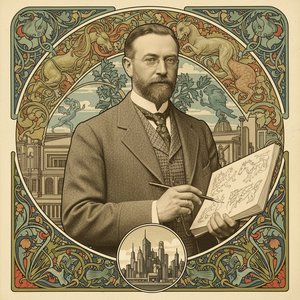
Alan Bennett: A Voice of Quiet Observation
Alan Bennett (1934-) stands as a singular figure in British literature and theatre, celebrated not for grand pronouncements or flamboyant gestures but for an astonishing ability to distill the complexities of human experience into deceptively simple narratives. His work consistently probes beneath surface appearances, delving into themes of class consciousness, identity formation, and the peculiar rhythms of everyday life—subjects that resonate deeply with audiences across generations. While perhaps less overtly dramatic than some contemporaries, Bennett’s impact on British culture is undeniable, cementing his place as one of the most perceptive chroniclers of the human condition.Early Life and Influences
Born in Lewisham, Kent, Bennett's formative years were marked by a childhood steeped in intellectual curiosity fostered by his father, a Classics professor at UCL. This academic upbringing instilled within him a lifelong appreciation for language and literature—influences that would profoundly shape his artistic sensibilities. He attended Oxford University, initially intending to pursue theology but ultimately gravitating towards English Literature where he honed his craft under the tutelage of Harold Macmillan, a pivotal figure in shaping Bennett’s understanding of British society and its traditions. The writings of George Orwell and Dylan Thomas served as crucial companions during this period, nurturing a commitment to social realism and exploring the darker corners of human psychology.The Rise of Playwrighting
Bennett's theatrical career began modestly with collaborations on television dramas in the late 1950s and early 1960s, establishing him as a skilled storyteller and capturing the nuances of character development. However, it was his breakthrough success with “Talking Heads,” a series of darkly comic sketches exploring the anxieties and frustrations of ordinary Britons—particularly those inhabiting provincial England—that catapulted him to fame. These vignettes showcased Bennett’s masterful use of dialogue and observation, presenting characters grappling with mundane dilemmas imbued with surprising emotional depth.Notable Film Adaptations and Critical Recognition
Bennett's distinctive voice captivated filmmakers, resulting in acclaimed adaptations of his plays, most notably “The Madness of King George” (1994), starring Colin Firth and Helen Mirren, which garnered numerous awards and solidified Bennett’s reputation as a screenwriter capable of transforming literary ideas into cinematic masterpieces. He continued to write extensively for film throughout his career, demonstrating an unwavering dedication to exploring human relationships and societal complexities. Furthermore, “The History Boys” (2006), based on his play about Oxford academics preparing for A-levels, achieved considerable success, sparking conversations about education, ambition, and the pressures faced by young people striving for excellence.Legacy and Enduring Relevance
Alan Bennett’s enduring legacy lies in his unwavering commitment to portraying the complexities of human experience with honesty and compassion—often laced with wry humor. His work transcends stylistic conventions, prioritizing psychological insight over theatrical spectacle. He consistently captures the peculiar beauty of ordinary life, reminding audiences that profound truths can be found within seemingly unremarkable moments. Bennett's influence extends beyond theatre and film; his prose style has been imitated by countless writers, cementing his position as a cornerstone of contemporary British literature and ensuring that his voice continues to resonate with readers today. His ability to distill the essence of human emotion into carefully crafted narratives ensures that Alan Bennett’s contribution to art will endure for years to come.Küsimused ja vastused
Kas saan külastada Alan Bennett teoste virtuaalset muuseumi?
Alan Bennett teoseid saab vaadata 3D-galeriis tema 3D-galeria lehel.
Kust leida Alan Bennett teoseid tehnika järgi grupeerituna?
Et leida kõik Alan Bennett teosed teatud tehnikas, külastage artisti lehte Kõik tehnikad.
Millist tundu Alan Bennett teosed väljendavad?
Kunstniku Tunnetunoodete tuba lehel on Alan Bennett teosed koondatud vastavalt nende atmosfäärile.
Kas saan Alan Bennett teoseid värvi järgi sorteerida?
Alan Bennett Värvitoonide indeks on leht, kus kunstniku teosed on sorteeritud nende värvide järgi.