Rahatagastus garantii · 100 päeva Tasuta kohaletoimetamine üle maailma
646446teosed 53409kunstnikud 5406muuseumid 32keeled
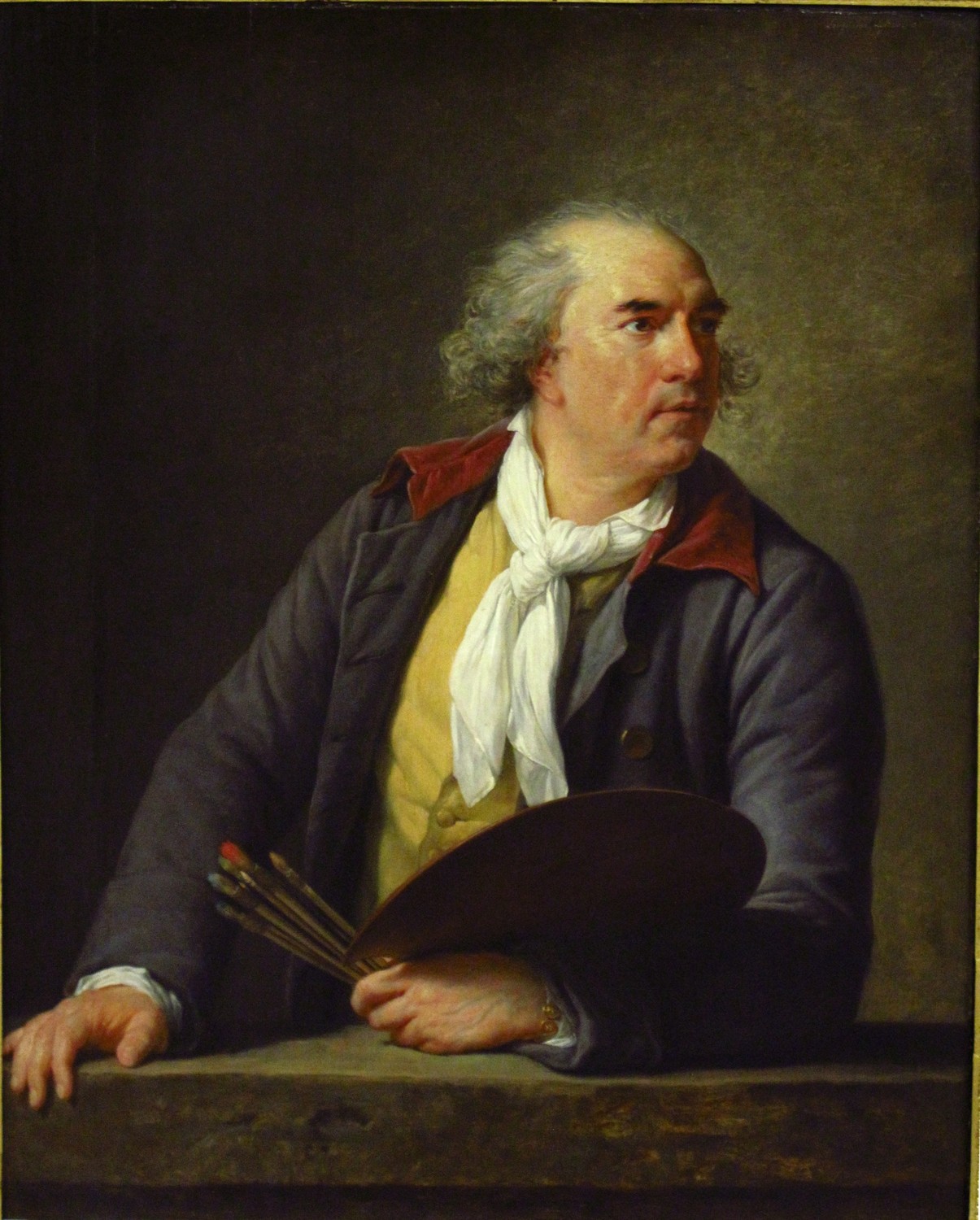
Portrait of Hubert Robert

Hubert Robert Paintings: The Top 100 Most Famous, Ranked

Updated oktoober 2026 · ranked by our popularity score (searches, visits and orders for each work) · 415 works by Hubert Robert in our catalogue

Quick answer

The most famous Hubert Robert painting is The Pont du Gard (1787); the original is in the Louvre'i muuseum, Pariis. The Finding of the Laocoön (1773) and Le port de Ripetta are numbers two and three. Out of the 415 works by Hubert Robert in our catalogue, these are the 100 most famous, ranked, each with its year and museum, so you can choose the painting to order.

1733 – 1808, Pariis Romanticism Most works: Louvre'i muuseum

Top 10 Hubert Robert paintings, ranked

1
The Pont du Gard (1787) by Hubert Robert

The Pont du Gard

1787 · Oil On Canvas · Louvre'i muuseum, Pariis

In the soft, diffused light of a fading afternoon, Hubert Robert’s 1787 masterpiece, The Pont du Gard, invites the viewer into a world where history and imagination coalesce. This breathtaking work transcends a mere topographical record of the famous Roman aqueduct; instead, it serves as a profound meditation on the passage of time and the enduring spirit of human achievement. As the eye travels across the canvas, one is immediately…

2
The Finding of the Laocoön (1773) by Hubert Robert

The Finding of the Laocoön

1773 · Oil On Canvas · Virginia Kunstimuuseum, Richmond

The Finding of the Laocoön is an oil on canvas painting by the French artist Hubert Robert. Completed in 1773, the work was commissioned for Comte de Vaudreuil. The composition centers on the depiction of the ancient sculpture of Laocoön and his two sons, who are shown struggling against large serpents.

3
Le port de Ripetta by Hubert Robert

Le port de Ripetta

To gaze upon Hubert Robert’s depiction of "Le port de Ripetta" is to step across the threshold of time and into an idealized vision of classical antiquity meeting vibrant human life. This masterful scene does not merely record a harbor; it captures the very spirit of Roman grandeur, filtered through the romantic lens of an 18th-century imagination. The composition immediately draws the eye down the sweeping curve of the grand…

4
PROJET D'AMENAGEMENT DE LA GRANDE GALERIE DU LOUVRE by Hubert Robert

PROJET D'AMENAGEMENT DE LA GRANDE GALERIE DU LOUVRE

Acrylic On Canvas · Louvre'i muuseum, Pariis

Hubert Robert’s “Projet d’aménagement de la Grande Galerie du Louvre,” a captivating oil on canvas, isn’t merely a depiction of a museum; it’s a meticulously crafted vision of an idealized Parisian space. Painted in 1796, during a period of profound transformation for France – the tumultuous years following the Revolution and the nascent ambition to establish a grand national museum – Robert offers us a glimpse into a future imagined…

5
VUE D'UN PARC.LE JET D'EAU by Hubert Robert

VUE D'UN PARC.LE JET D'EAU

Oil On Canvas · Louvre'i muuseum, Pariis

Hubert Robert (1733-1808), a luminary of the French Romantic landscape movement, transcends mere depiction; he crafts immersive visions that capture the ethereal beauty of decay and the sublime grandeur of nature. His oeuvre stands apart for its meticulous attention to detail—particularly in his “capricci”—semi-fictitious scenes infused with imagination and imbued with an irresistible nostalgia for antiquity.

6
The Grande Galerie (detail) (1795) by Hubert Robert

The Grande Galerie (detail)

1795 · Acrylic On Canvas · Louvre'i muuseum, Pariis

Hubert Robert's "The Grande Galerie (detail)" isn’t merely a painting; it’s a meticulously crafted illusion, a fleeting moment captured within the heart of the Louvre in 1795. This remarkable work transports us to a space brimming with artistic legacy and the burgeoning spirit of revolutionary France. The scene unfolds within the newly transformed Grande Galerie, a monumental hall designed to showcase the nation's vast collection of art – a project…

7
The Maison Carée, the Arenas and the Magne Tower in Nimes (1787) by Hubert Robert

The Maison Carée, the Arenas and the Magne Tower in Nimes

1787 · Oil On Canvas · Louvre'i muuseum, Pariis

Hubert Robert's "The Maison Carée, the Arenas and the Magne Tower in Nimes," painted in 1787, isn’t merely a depiction of an ancient Roman monument; it’s a carefully constructed meditation on time, memory, and the enduring beauty of decay. This captivating oil painting transports us to the heart of southern France, specifically the dramatic landscape surrounding Nimes, where the imposing Maison Carée – a testament to Roman architectural prowess –…

8
The Grande Galerie (1795) by Hubert Robert

The Grande Galerie

1795 · Acrylic On Canvas · Louvre'i muuseum, Pariis

Hubert Robert’s “The Grande Galerie,” completed in 1795, transcends mere depiction; it embodies a profound philosophical stance on art and memory. Painted during the turbulent years of the French Revolution, this monumental canvas isn't simply a record of the Louvre Museum—it’s an imaginative reimagining of classical grandeur filtered through the lens of Romantic sensibility.

9
The Ponte Solario (1775) by Hubert Robert

The Ponte Solario

1775 · Oil On Canvas · National Gallery of Art, Washington

Hubert Robert’s “The Ponte Solario,” completed in 1775, stands as a cornerstone of Romantic landscape painting—a genre that prioritized emotion and imagination over strict adherence to classical ideals. More than just a depiction of crumbling stone and weathered timbers, the canvas embodies Robert's fascination with ruins as symbols of time’s relentless passage and the sublime beauty inherent in decay.

10
Alexandre le Grand devant le tombeau d'Achille by Hubert Robert

Alexandre le Grand devant le tombeau d'Achille

Oil · Louvre'i muuseum, Pariis

Hubert Robert’s “Alexandre le Grand devant le tombeau d’Achille” (c. 1754-1757) is not merely a depiction of a historical scene; it's a carefully constructed tableau brimming with symbolic weight, rendered in the evocative style characteristic of the late 18th century. The painting transports us to a ruined Roman landscape – a deliberate choice by Robert that immediately establishes a dialogue between grandeur and transience. Here, Alexander the Great stands before…

Hubert Robert paintings ranked 11 to 100

11Civil Guard (1780) by Hubert RobertCivil Guard1780 · Thyssen-Bornemisza Museum 12Imaginary View of the Grande Galerie in the Louvre in Ruins (1796) by Hubert RobertImaginary View of the Grande Galerie in the Louvre in Ruins1796 · Louvre'i muuseum 13Ruins of a Roman Bath with Washerwomen (1766) by Hubert RobertRuins of a Roman Bath with Washerwomen1766 · Philadelphia Museum of Art 14Studio of an Antiquities Restorer in Rome (1783) by Hubert RobertStudio of an Antiquities Restorer in Rome1783 · Toledo kunstimuuseum 15A Hermit Praying in the Ruins of a Roman Temple (1760) by Hubert RobertA Hermit Praying in the Ruins of a Roman Temple1760 · J. Paul Getty muuseum 16Landscape with the Ruins of the Round Temple, with a Statue of Venus and a Monument to Marcus Aurelius by Hubert RobertLandscape with the Ruins of the Round Temple, with a Statue of Venus and a Monument to Marcus AureliusHermitage muuseum 17VUE DE LA GRANDE GALERIE DU LOUVRE EN RUINES by Hubert RobertVUE DE LA GRANDE GALERIE DU LOUVRE EN RUINESLouvre'i muuseum 18Italian kitchen (1760) by Hubert RobertItalian kitchen1760 · Rahvusmuuseum Varssavis 19Hermit in the Colosseum (1790) by Hubert RobertHermit in the Colosseum1790 · Dallas Kunstimuuseum 20Wandering Minstrels (1777) by Hubert RobertWandering Minstrels1777 · Metropolitan Museum of Art 21Cypresses (1773) by Hubert RobertCypresses1773 · Hermitage muuseum 22Vue de montagne avec glaciers, Composition décorative by Hubert RobertVue de montagne avec glaciers, Composition décorative 23Decorative Landscape with an Obelisk by Hubert RobertDecorative Landscape with an ObeliskHermitage muuseum 24Hercules Farnese (1790) by Hubert RobertHercules Farnese1790 · Petit Palais 25Villa Madama near Rome (1760) by Hubert RobertVilla Madama near Rome1760 · Hermitage muuseum 26The Ruined Temple. Landscape around a Cauldron (1750) by Hubert RobertThe Ruined Temple. Landscape around a Cauldron1750 27Antique Ruins with a Vase (1750) by Hubert RobertAntique Ruins with a Vase1750 · Szépművészeti Múzeum 28A Boy and a Dog among Ruins (1750) by Hubert RobertA Boy and a Dog among Ruins1750 29A Grand Staircase In a Park Setting (1750) by Hubert RobertA Grand Staircase In a Park Setting1750 30Scene at a Well (1750) by Hubert RobertScene at a Well1750 31The Farandole amidst Egyptian Monuments (1750) by Hubert RobertThe Farandole amidst Egyptian Monuments1750 · Mougins Museum of Classic Art 32The Clearing (1775) by Hubert RobertThe Clearing1775 · Cincinnati Art Museum 33Expulsion of the Merchants from the Temple (1758) by Hubert RobertExpulsion of the Merchants from the Temple1758 34Landscape with Bridge and Staffage (1758) by Hubert RobertLandscape with Bridge and Staffage1758 35Landscape with Ruin of a Triumphal Arch and Staffage (1758) by Hubert RobertLandscape with Ruin of a Triumphal Arch and Staffage1758 36The Laundry (1758) by Hubert RobertThe Laundry1758 · Petit Palais 37Sculptor working on the statue of a saint at Saint-Pierre de Rome (1758) by Hubert RobertSculptor working on the statue of a saint at Saint-Pierre de Rome1758 · Petit Palais 38The Artist in His Studio (1763) by Hubert RobertThe Artist in His Studio1763 · Museum Boijmans Van Beuningen 39Washerwomen in the Ruins of the Colosseum (1760) by Hubert RobertWasherwomen in the Ruins of the Colosseum1760 · Brooklyn Museum 40Peasant Dwelling (1760) by Hubert RobertPeasant Dwelling1760 41Christ Driving the Money Changers out of the Temple (1760) by Hubert RobertChrist Driving the Money Changers out of the Temple1760 · Gemäldegalerie 42arohitektur with five persones (1758) by Hubert Robertarohitektur with five persones1758 43washing women near a house (1758) by Hubert Robertwashing women near a house1758 44View of a Fire (1775) by Hubert RobertView of a Fire1775 · Carnavalet Museum 45Roman Landscape (1775) by Hubert RobertRoman Landscape1775 46Landscape with a Triumphal Column (1773) by Hubert RobertLandscape with a Triumphal Column1773 · Hermitage muuseum 47The Glade (1775) by Hubert RobertThe Glade1775 · Cincinnati Art Museum 48The Cascades of Tivoli (1776) by Hubert RobertThe Cascades of Tivoli1776 · Petit Palais 49Interior of the Temple of Diana at Nîmes (1783) by Hubert RobertInterior of the Temple of Diana at Nîmes1783 · Thyssen-Bornemisza Museum 50The Park of Ermenonville (1780) by Hubert RobertThe Park of Ermenonville1780 51Landscape of Ruins with Fountain and the Motto "Tant va la cruche à l'eau" (1788) by Hubert RobertLandscape of Ruins with Fountain and the Motto "Tant va la cruche à l'eau"1788 · Musée Calvet 52The Resupply of Prisoners at the Prison of Saint-Lazare (1794) by Hubert RobertThe Resupply of Prisoners at the Prison of Saint-Lazare1794 · Carnavalet Museum 53A Banquet in the Ruins of a Temple (1795) by Hubert RobertA Banquet in the Ruins of a Temple1795 · Yale University Art Gallery 54Draughtsmen in a Landscape with Antique Ruins (1789) by Hubert RobertDraughtsmen in a Landscape with Antique Ruins1789 55The Watering Hole (1804) by Hubert RobertThe Watering Hole1804 · Musée Cognacq-Jay 56The Salle des Saisons in the Louvre (1802) by Hubert RobertThe Salle des Saisons in the Louvre1802 57Architecture with Figures (1800) by Hubert RobertArchitecture with Figures1800 · Statens Museum For Kunst 58The Obelisk (1787) by Hubert RobertThe Obelisk1787 · Art Institute of Chicago 59La Cascade : a Rocky Hillside with a Peasant Woman and Child near a Waterfall and Boys Resting by a Blasted Tree (1800) by Hubert RobertLa Cascade : a Rocky Hillside with a Peasant Woman and Child near a Waterfall and Boys Resting by a Blasted Tree1800 60Ruins of a Circular Temple with Apollo di Belvedere (1799) by Hubert RobertRuins of a Circular Temple with Apollo di Belvedere1799 · Nationalmuseum 61A Fishing Party (1805) by Hubert RobertA Fishing Party1805 62A Quarry with a Flock of Sheep (1800) by Hubert RobertA Quarry with a Flock of Sheep1800 · Statens Museum For Kunst 63Terrasse d'un palais à Rome by Hubert RobertTerrasse d'un palais à Rome 64The Draughtsman of the Borghese Vase (1775) by Hubert RobertThe Draughtsman of the Borghese Vase1775 · Musée des Beaux-Arts 65Orator in Prison (1764) by Hubert RobertOrator in Prison1764 · Nationalmuseum 66Fantastic View of Tivoli (1789) by Hubert RobertFantastic View of Tivoli1789 · Saint Louis Art Museum 67The Old Bridge (1775) by Hubert RobertThe Old Bridge1775 · National Gallery of Art 68The Old Bridge (1760) by Hubert RobertThe Old Bridge1760 · Yale University Art Gallery 69Ruined Bridge with Figures Crossing (1767) by Hubert RobertRuined Bridge with Figures Crossing1767 · Philadelphia Museum of Art 70The Fire of Hôtel-Dieu in Paris, 1772 (1772) by Hubert RobertThe Fire of Hôtel-Dieu in Paris, 17721772 · Nationalmuseum 71RUINES ANTIQUES.JEUNES FILLES DEVANT UNE STATUE DE L'ABONDANCE by Hubert RobertRUINES ANTIQUES.JEUNES FILLES DEVANT UNE STATUE DE L'ABONDANCELouvre'i muuseum 72View through the Atrium of the Casino into the Garden Parterre of the Villa Albani (1764) by Hubert RobertView through the Atrium of the Casino into the Garden Parterre of the Villa Albani1764 · Staatliche Kunsthalle Karlsruhe 73The Fountain (1777) by Hubert RobertThe Fountain1777 · Metropolitan Museum of Art 74LA FONTAINE by Hubert RobertLA FONTAINELouvre'i muuseum 75The Fountains (1787) by Hubert RobertThe Fountains1787 · Art Institute of Chicago 76The Fountain by Hubert RobertThe FountainMusée Cognacq-Jay 77Landscape with a Statue of Isis by Hubert RobertLandscape with a Statue of Isis 78Landscape with a Temple (1782) by Hubert RobertLandscape with a Temple1782 · Chrysler Museum of Art 79Roman Ruins (1760) by Hubert RobertRoman Ruins1760 · Worcester Art Museum 80The Grotto of Pausilippe (1760) by Hubert RobertThe Grotto of Pausilippe1760 · Petit Palais 81PROJET D'AMENAGEMENT DE LA ROTONDE DE MARS AU LOUVRE by Hubert RobertPROJET D'AMENAGEMENT DE LA ROTONDE DE MARS AU LOUVRELouvre'i muuseum 82The Pyramid in the Gardens of Mauperthuis (1780) by Hubert RobertThe Pyramid in the Gardens of Mauperthuis1780 · Bavaria riiklikud maalidema kogumikud 83Architectural Capriccio with the Colonnades of St. Peter in Rome (1760) by Hubert RobertArchitectural Capriccio with the Colonnades of St. Peter in Rome1760 · Kunstmuseum Basel 84Ruined Temple (1775) by Hubert RobertRuined Temple1775 · National Museum of Ancient Art 85The Landing Place (1787) by Hubert RobertThe Landing Place1787 · Art Institute of Chicago 86Fountain and Collonades in a Park (1775) by Hubert RobertFountain and Collonades in a Park1775 · Belgia Kuninglikud Fine Artsi muuseumid 87Demilishing the Buildings on the Pont Notre-Dame in Paris, 1786 (1787) by Hubert RobertDemilishing the Buildings on the Pont Notre-Dame in Paris, 17861787 · Staatliche Kunsthalle 88Roman Capriccio (1798) by Hubert RobertRoman Capriccio1798 · Staatliche Kunsthalle Karlsruhe 89The Old Temple (1788) by Hubert RobertThe Old Temple1788 · Art Institute of Chicago 90Demolition of the Houses on the Pont Notre-Dame in 1786 (1786) by Hubert RobertDemolition of the Houses on the Pont Notre-Dame in 17861786 · Louvre'i muuseum 91Interior of a Roman Park - The Staircase (1750) by Hubert RobertInterior of a Roman Park - The Staircase1750 92Landscape with a Ruined Tower (1750) by Hubert RobertLandscape with a Ruined Tower1750 · Musée des Beaux-Arts 93Landscape. The Cascade (1750) by Hubert RobertLandscape. The Cascade1750 94Landscape with the Obelisk (1750) by Hubert RobertLandscape with the Obelisk1750 95The Return of the Herd against a Background of an Italian Palace (1750) by Hubert RobertThe Return of the Herd against a Background of an Italian Palace1750 96Ruins (1750) by Hubert RobertRuins1750 · Musee National du Chateau de Compiegne 97Figures in a Crypt (1750) by Hubert RobertFigures in a Crypt1750 98Landscape with a Stairs and Obelisk (1770) by Hubert RobertLandscape with a Stairs and Obelisk1770 · Hermitage muuseum 99The Landing (1750) by Hubert RobertThe Landing1750 · Fine Arts Museums of San Francisco 100Bridge over a Torrent (1750) by Hubert RobertBridge over a Torrent1750

Hubert Robert paintings by period

Hubert Robert paintings by subject

The four most frequent subjects in this ranking, with the top painting for each.

Museums holding Hubert Robert's originals

The 8 museums that hold the most of the paintings on this page.

Museum City Works by Hubert Robert Paintings from this list
Louvre'i muuseum, PariisLouvre'i muuseum Pariis 43 The Pont du Gard, PROJET D'AMENAGEMENT DE LA GRANDE GALERIE DU LOUVRE, VUE D'UN PARC.LE JET D'EAU
Hermitage muuseum, StiiitlinburgHermitage muuseum Stiiitlinburg 32 Landscape with the Ruins of the Round Temple, with a Statue of Venus and a Monument to Marcus Aurelius, Cypresses, Decorative Landscape with an Obelisk
Petit Palais, PariisPetit Palais Pariis 9 Hercules Farnese, The Laundry, Sculptor working on the statue of a saint at Saint-Pierre de Rome
Art Institute of Chicago, ChicagoArt Institute of Chicago Chicago 4 The Obelisk, The Fountains, The Landing Place
Nationalmuseum, StockholmNationalmuseum Stockholm 7 Ruins of a Circular Temple with Apollo di Belvedere, Orator in Prison, The Fire of Hôtel-Dieu in Paris, 1772
Carnavalet Museum, PariisCarnavalet Museum Pariis 19 View of a Fire, The Resupply of Prisoners at the Prison of Saint-Lazare
Metropolitan Museum of Art, New YorkMetropolitan Museum of Art New York 12 Wandering Minstrels, The Fountain
Cincinnati Art Museum, CincinnatiCincinnati Art Museum Cincinnati 6 The Clearing, The Glade

Hubert Robert by decade: the top painting of each

Works per decade

Select a decade to see its top painting.

Hubert Robert paintings: common questions

What is the most famous painting by Hubert Robert?Show answer

The Pont du Gard (1787), Louvre'i muuseum, Pariis, ranks first, followed by The Finding of the Laocoön (1773) and Le port de Ripetta.

What was Hubert Robert's age when The Pont du Gard was painted?Show answer

Hubert Robert was 54: The Pont du Gard is dated 1787, and Hubert Robert was born in 1733.

Which are the top 10 Hubert Robert paintings?Show answer

The Pont du Gard, The Finding of the Laocoön, Le port de Ripetta, PROJET D'AMENAGEMENT DE LA GRANDE GALERIE DU LOUVRE, VUE D'UN PARC.LE JET D'EAU, The Grande Galerie (detail), The Maison Carée, the Arenas and the Magne Tower in Nimes, The Grande Galerie, The Ponte Solario and Alexandre le Grand devant le tombeau d'Achille. Year and museum for each are in the ranking above.

How many works by Hubert Robert do you list?Show answer

415 works by Hubert Robert are in our catalogue, dated 1750 to 1805.

Where are the original Hubert Robert paintings kept?Show answer

Mainly in Louvre'i muuseum (Pariis), Hermitage muuseum (Stiiitlinburg) and Petit Palais (Pariis). See the museum table above for the full list.

Which period produced Hubert Robert's most famous paintings?Show answer

In 1750s: 22 of the 100 paintings ranked here date from that time, including The Ruined Temple. Landscape around a Cauldron.

Which are the earliest and latest famous Hubert Robert paintings?Show answer

Earliest on this page: The Ruined Temple. Landscape around a Cauldron (1750). Latest: A Fishing Party (1805).

What are the main subjects of Hubert Robert's paintings?Show answer

Among the 100 paintings ranked here: Ruins (31), Sky (21) and People (17).

What medium are most Hubert Robert originals in?Show answer

Oil On Canvas, for 45 of the 100 paintings ranked here.

Which movement is Hubert Robert associated with?Show answer

Romanticism and Neoclassicism, based on the paintings ranked on this page.

Which Hubert Robert originals are at the Louvre'i muuseum?Show answer

The Louvre'i muuseum, Pariis holds 13 of the paintings ranked here, including The Pont du Gard, PROJET D'AMENAGEMENT DE LA GRANDE GALERIE DU LOUVRE and VUE D'UN PARC.LE JET D'EAU.

Can I order a Hubert Robert reproduction?Show answer

Yes. Every painting on this page can be ordered as a hand-painted oil reproduction or a print. Open the painting, choose the size and place your order.

About the artist: Hubert Robert

Varane elu, pere ja kunstiline haridus

Pariisis 1733. aastal sündinud Hubert Robert astus maailma, kus tema pere sotsiaalne staatus oli seotud teiste teenistusest. Tema isa, Nicolas Robert, esitas ametit märkimisaeglase isiku majanduses, ning see side hõivab lõpuks noore mehe liikumise läbi Prantsuse ülempiiride. See varane stabiilsus pakkus alustala tema formaalsele haridusele, mida ta jätkas Collège de Navarre rangus

Aastad Roomas: Kunstniku identiteedi kujunemine

1754. aastal lahkus Robert Prantsusmaast Rooma, reisides Étienne-François de Choiseuli saatkonas. See otsust ei olnud pelgalt sihi vahetus; see oli kümnendiaastane süvenemine antikviidi südamesse. Onveveene Itaalias viidud aastaite jooksul viibis ta Académie de France'is, periood, mis võimaldas tal imelda linna arhitektuurilist suursuggusust. Ta ei jäenud vaid kaugelt neid monumente vaatlema; ta elas nende keskel, arendades sügava seose mineviku füüsiliste jäänusteกับ.

Tema kunstiline arengut mõjutas veelgi enam aeg Giovanni Paolo Panini õppel. Selle seose kaudu hakkas Robert täiendama oma oskust klassikalist maailma tõlgendada. Ta liikus edasi lihtsest olemasolevate ehitiste dokumenteerimisest, õppides selle asemel manipuleerima valgust ja varju, et luua ajaloolise sügavuse tunnet. Tema kohalolu linnas oli nii sügav, et räägitakse, et aastal 1767 lõi ta oma nime Colosseumi seintadeski – väike, inimlik püsivuse tegu vastu just nende varemete vastu, mida ta veetis oma elu kogu jooksugi uurides.

Edu ja kuninglik patroonus Pariisis

Pärast 1765. aasta naasmist Pariisi leidis Robert linna, mis oli samasagediselt ootev tema kogetud vaadete ja perspektiivide vastu, mida ta oli oma Itaalia aastate jooksul omandanud. Tema tõus läbi Prantsuse kunstielukorras oli kiire ja vääriatav. 1766. aastal võeti ta vastu Académie royale de peinture et de sculpture, esitledes Roman capriccio, mis oli tema suurepärase ilmumise märgupilt. See ametlik tunnustus avas uksed Prantsuse ühiskonna kõrgelumastusse, kus tema oskus ühendada arhitektuuriline täpsus imaginatiivsete maastikudega kohtus üleslevaneva avaliku maitsega, mis otsis pittoreskiid ja sügavust.

Tema professionaalne elu sarnandus üha enam Prantsuse krooniga, muutudes suva ja kunstilise loovuse sünergiaks. Ta saavutas prestiižseid ametikooteid, mis peegeldasid riigi usaldust tema tehnilise oskuse ja esteetilise kaunilikkuse vastu. Ta teenis Kuningasteaate aiaplaneerijana ning hiljem hoiameks Kuningaste piltide kollektsioonis. Need rollid võimaldasid tal mõjutada monarhia visuaalset maailma, liigudes uute projektide loomise ja olemasolevate kollektsioonide hooldamise vahel. Tema mõju ulatus sügavale institutsioonidesse, mis määrkas järgnevaks sajandiks Prantsuse kunsti suunad.

Kui poliitiline maastik hakkas muutuma, kasvasid tema vastutused veelgi raskemaks ja keerukamaks. Ta nimetati Muuseumi hoiameks ja Akadeemia nõunikuks – ametiks, mis pani ta riigi kultuuradministratsiooni keskrolli. Tema elu ei olnud enam pelgalt kunstniku, vaid ajaloo hoidja elu. Isegi siis, kui vana regimeemi struktuurid hakkasid murduma, jäi tema kohalolu Louvre'i hallides konstanteks, tähistades teda kui kesksametlust Prantsuse institutsionaalse kunsti üleminekuperiodil.

Tehnika ja eristuv kunstiline stiil

Hubert Robert'i käekäsitus oli sama mitmekülgne kui maastikud, mida ta püüdis tabama. Ta liikus vaevatult täpsete jooniste ja pehme maaliatste oskuse vahel, kasutades laiast valikut erinevaid materjale. Tema tehniline repertuaar hõlmus veistrit, peni ja joonistusmuste, musta ja punast liidust ning akvarelli, lisaks traditsioonilisele õliõlule latal. Ta kasutas sageli alla prima tehnikat, rakendades värvi otse ja spontaaniselt, mis andis tema kompositsioonidele vahetu ja elav mõhu. See tehniline laiend on andnud talle võimaluse navigeerida nii arhitektuursete vormide keerukuste kui ka muutuva taeva pehmuse vahel samas mülgus.

Tema meetod tugunes õnnelikul tasakaalule nähtava ja kujutluse vahel. Kuigi tema teosed olid põhjanenud hoolikalt studeeritud detailidele ja rangele perspektiivi mõistmisele, ei olnud need kunagi pelgalt topograafilised dokumenteerimised. Selle asemel kasutas ta atmosfäärilist perspektiivi, et pehmendada distantseid horisontsone, luues märgatava sügavuse ja valguse tunde. Ta valetas eriliselt illusioonide loomises, kasutades valust ja varjust, et manipuleerida vaataja ruumiperseptsiooni. Segades hoolikast tähelepanekust kõrgendatud kujutlusvõimega, lõi ta stseneid, kus kiviarchu või purduva sambaga füüsiline realism sai täiendatuks hoolikalt orkestseeritud, peaaegu teatraanilise atmosfääri abil.

Capriccio ja lagunemise teemad

Nimetus "Robert des Ruines" ei olnud pelgalt hüpelnime; see oli tunnustus inimesele, kes leidis oma sügavaima emotsionaalse väljenduse mineviku murenevatest jäänustest. Hubert Robert liikus 18. sajandi lõpu kunstilaval romantika koolkonna esireedes, positsioon, mis lubas tal vaadata kaugemale kui pelgalt arhitektuuri dokumenteerimine. Selle asemel, et lihtsalt pildistada ehitise seisukorda, otsis ta luulepoeesi selle lagunemisprotsessi juurest. Tema teosed esitasid sageli poolfantaasialisi, peenelt kaunistatud varemete kirjeldusi, leidides inspiratsiooni nii Itaalia iidsetest maastikudest kui ka Prantsuse muutuvalt linnaruumist.

Selle visiooni keskne element oli tema täiuslik capriccio-tehnika valdamine. Need kompositsioonid põhinesid teadlikult erinevate elementide — iidsete monumentide, fantaasialiste maastikude ja ideaalsete figuuride — kokkeseadmisel, luues stseenid, mis eksisteerisid realiteetide ja kujutluse vahelises pinges. Ta ei maalinud lihtsalt seda, mis silma jäi; ta lõi melanhoolia ja imetuse atmosfääre. Segades täpne arhitektuuriline detail koos fantaasiliste miljöodega, lõi ta ajaloolise tunne, mis tundus korraga nii käegitatav kui unistuslik. See lähenemine võimaldas tal uurida aja kulumist kivi ja varju kaudu.

Poliitiline murdu ja viimased aastad

Prantsuse revolutsiooni tormilised muutused tõid Robertile ootamatut ja isiklikku ohtu. Terrori ajastul koges ta lühiajalist vangistust – kogemus, mis jäi tema loovatööle oma märkina, väljendudes läbi seeria joonistusi, mis dokumenteerisid tema kinnipidetust. Vaatamata selle ajastu ebastabiilsusele, säilis tema professionaalne staatus märkimisväärne. Ta nimetati uuelt asutatud Muséum Central des Artsi kuraatoriks – institutsiooniks, sellest sai hiljem Louvre'i muuseum, kus ta pühendus riigi üha suureneva kollektsiooni organiseerimisele ja kataloogimisele.

Tema side Louvre'iga oli sügav ja püsiv. Alates 1778. aastast kuni 1802. aastani oli ta oma kodu leidnud selle müüride vahelist, elades just nendetes saalides, mida ta oli ise aidanud dekoreerida ja säilitada. See pikk täielik elamine pani ta muutuse vastu liikuva Prantsuse keskspunkti, olles niinöu mõistmiskas, kuidas vana monarhia asendati Napoleonia ajastul. Ta jäi produktiivseks loovaks kunstnikuks kuni lõpusani, mil tema tervis lõpuks taevas lendas. Hubert Robert suris Pariisis 15. aprillil 1808. aastal, tema elu lõppes ajupõhjusel.

Silmapaistvad teosed ja kunstiline saavutused

Hubert Roberti loomingulise töödöö mahukus peitub kogu tema elu sügavus – elu, mis on p sinusoidalisest dialoogist minevikuga. Tema viljakas käsi on loonud ligikaudu 1000 maali ja 10 000 joonist, mahukas kogumik, mis võimaldas tal uurida valguse nüansse ja arhitektuurilist lagunemist läbi lõõtsitud korduvate uuringute. Tema varajane edu kinnitas Rooma sadam, Roman capriccio, mis kehtistas tema famaatsust Prantsuse kunstielukorras. See teos demonstreeris tema võimet liikuda kaugemale pelikast topograafilisest dokumenteerimisest, luues selle asemel antikvee visiooni, mis resoneeris tema ajastu tundlikkusega.

Karjääri edenedes muutusid tema teemad puhtalt klassikalisest suunatud integratsioonist, kus ajaloolised struktuurid sulasid kokku mitmekülgsemate maastikudega. Umbes aastal 1773 valmistas ta teose Country Mansion Portico, mis näitas tema täiuslikku perspektiivi ja atmosfääri valdust. Hiljem jäi tema tähelepanu antikva suurejoonulisusele kinnitaks Pont du Gard, mis on maalis aastal 1787. Need teosed illustreerivad tehnilist meistrikunst nii monumentaalsete kui ka intiimsete teemade esituses, kasutades sageli õhukeid läbivaigutusi toonide sügavuse ja luminosentsuse loomiseks.

Tema elulõpus dokumenteeris ta just neid institutsioone, mida ta ise azooas juhtida aitas. Umbes aastal 1795 valmistas ta teose The Grande Galerie, mis tabas konkreetset ja transformeerivat hetke Pariisi ajaloos. See tema elu periood nõudis tasakaaludet, navides kultuurilise mälu säilitamise ja muutuva riigi reaalsuse vahel. Tema võime neid ruume esitada, olgu see õliõli latal või täpste joontega penna ja joonistuse kaudu, tagas tema koha Prantsuse maastikupeintuse ajaloos.

  • Rooma sadam
  • Country Mansion Portico
  • Pont du Gard
  • The Grande Galerie

Kus tema teoseid täna näha saab

Hubert Roberti viljakate loomiste säilitamine on jagunenud mitme suure rahvusvahelise institutsiooni hulka, mis peegeldab tema mõju laialdast ulatust অষ্টsandaal

saja lõpupõs

. Kõige olulisem tema maalide koondus asub Pariisis, kus Louvre'i muuseumis on säilitatud 43 tema teost. Koguplendi külastajad saavad kohtuda tema detailsete arhitektuursete uuringutega ja Grande Galerie draamatiliste esitlustega, sealhulgas vaadega hallist varemete keskel ning teise teosega, mis kujutab galeriid restaureerimisel umbes aastal 1798 või 1799.

Prantsusast väljas on tema kunstiline jalajälg märgatav mitmetes teistes prominentsetes kogendustes. Saint Peterburgis asub Hermitage muuseum, mis hoiab oma kogumikus nelja tema maali, nagu Inhabited Ruins ja Painters. Ameerika Ühendustes on New Yorki Metropolitan Museum of Art säilitatud kolm teost, sealhulgas The Portico of a Country Mansion ja Wandering Minstrels. Tema mõju ulatub ka Saksamaale ja Šveitsile, kus Saksamaas asub Staatliche Kunsthalle Karlsruhe, mis hoiab kolme teost, sealhulgas Roman Capriccio.

All 415 works by Hubert Robert →