


 Esikatselu
 Jaa
Jaa Jaa
Jaa
 Tarkemmat tiedot

 Lataa
Lataa
 Samanlaisia
 Röntgenkuva
 Diaesitys
La sorgente.


 Näytä lisää
Käsinmaalattu öljykopio
Käsinmaalattu öljyväri kankaalle haluamassasi koossa ja kehyksissä, taiteilijoidemme valmistamana tilauksesta. ( Osta printti Osta kuva)




P118B $10

P118H $10

P118W $10

P438Z $10

P508JH $12

P508YH $12

P805H $10

P805Z $10

P919BZ $10

P919G $10

P919XJ $10

P959ZH $10

P968JZ $12

W106C $8

W218G $10

W218JH $8

W218Y $10

W307PJ $10

W316G $10

W316PJ $8

W316Y $10

W398PJ $8

W4111J $10

W500HY $15

W500JH $15

W692G $12

W849H $8

W940BG $15

W953PJ $8




Valitse valmiista mitoistamme sellaiset, jotka vastaavat teoksen alkuperäisiä mittasuhteita.

Voit syöttää omat mitat sopimaan tiettyyn kehykseen tai tilaan. Jos valitsemasi koko ei vastaa alkuperäisen kuvan mittasuhteita, rajaamme taideteoksen tai jatkamme maalausta käsin maalatuilla elementeillä. Digitaalinen esikatselu lähetetään hyväksyttäväksi ennen tuotannon aloittamista.
Huomioithan, että näytöllä oleva esikatselu ei vastaa todellista rajausta tai jatkamista. Vain digitaalinen mallikuva näyttää lopullisen sommittelun tarkasti.
Vaikka mittatilaustyöt ovat mahdollisia, suosittelemme valitsemaan mitan ennalta määritetystä listasta alkuperäisten mittasuhteiden säilyttämiseksi.
Tilauksen jälkeen AllPaintingsStore.com -tiimi lähettää asiakkaalle ohjeet ja esikatselukuvan.
Maailmanlaajuinen toimitus () 3–4 viikossa tavallisen 5 viikon sijaan. (25 elokuu). Laadusta ei tingitä.

Ilmainen pikatoimitus ympäri maailman

Korkealaatuinen pellavakangas

Kattava kuljetusvakuutus

Tulliveron palautustakuu

Täydellinen värien vastaavuustakuu

60 päivän palautusoikeus (vain valmistusvirheet)

100% rahat takaisin -takuu

Määräalennus tarjous
 Lasivaihtoehto on saatavilla vain alle 110 cm kokoisina teoksina

La sorgente.
Reproduktiotekniikka
Replikaatin koko
-


Kokonaishinta
$ 258
Teoksen kuvaus
A Vision of Raw Reality: The Essence of La Source
In the annals of art history, few moments are as transformative as the emergence of Gustave Courbet’s La Source. Completed in 1862, this masterpiece stands as a defiant manifesto against the polished, idealized aesthetics of the French Academy. At first glance, the viewer is met with a scene of profound intimacy and natural splendor: a nude woman, bathed in the soft, dappling light of a limestone cave, emerges from the cool shadows near a cascading waterfall. Unlike the mythological nymphs of his contemporaries, who often felt distant and ethereal, Courbet’s figure possesses a tangible, fleshy presence. She is not a goddess from an ancient myth, but a creature of the earth, her skin reflecting the damp, textured reality of the Franche-Comté landscape. This is realism in its most visceral form—a celebration of the physical world that invites the observer to feel the humidity of the cave and the coolness of the spring.Technique and the Mastery of Light
The brilliance of La Source lies in Courbet’s revolutionary approach to texture and light, a technique that would later pave the way for the Impressionist movement. Eschewing the smooth, invisible brushwork favored by academic painters, Courbet utilized a more robust, tactile application of oil paint. He painstakingly rendered the rugged surfaces of the surrounding rocks and the delicate, translucent quality of the water, creating a sensory experience that transcends the two-dimensional canvas. The interplay of light is particularly masterful; sunlight filters through the canopy of trees and the mouth of the cave, creating a rhythmic pattern of highlights and deep shadows across the woman’s form and the mossy stones. This meticulous attention to the fleeting effects of atmosphere lends the painting an organic vitality, making the landscape feel as though it is breathing alongside the subject.A Symbol of Artistic Rebellion
Beyond its aesthetic beauty, La Source carries a heavy weight of historical significance. During an era when the Salon demanded grand historical narratives and polished perfection, Courbet chose to elevate the mundane and the local. By focusing on the landscapes of his native region and the unadorned human form, he challenged the very definition of what was "worthy" of high art. The painting serves as a bridge between the Romanticism of the early 19th century and the burgeoning Realism that sought to document the truth of everyday life. For the modern collector or interior designer, this piece offers more than just visual elegance; it provides a conversation piece rooted in the spirit of iconoclasm. To hang a reproduction of La Source is to invite a sense of grounded, authentic beauty into a space—a reminder of the power found in looking at the world with unblinking, honest eyes.Samankaltaisia teoksia


Taiteilijan elämäkerta
A Rebel’s Brush: The Life and Legacy of Gustave Courbet
Jean Désiré Gustave Courbet (1819-1877) was a transformative figure in the history of art, recognized as one of the foremost champions of Realism and an uncompromising voice for artistic liberty. His journey from humble beginnings in Ornans, France, to international acclaim wasn’t merely about mastering brushstrokes; it was fueled by a profound conviction that art should reflect the realities of everyday life – unidealized, honest, and imbued with social significance. Growing up amidst a burgeoning bourgeois family instilled in him a certain appreciation for material comfort, yet his artistic spirit demanded something more substantial: an unflinching gaze upon the world as it truly existed.Early Influences and Artistic Training
Courbet’s formative years were marked by encouragement from his mother to pursue his passions for drawing and painting – a nurturing that would prove pivotal in shaping his artistic trajectory. Unlike many artists of his time who received aristocratic patronage, Courbet benefited from modest familial support, allowing him to enroll at the École des Beaux-Arts in Paris in 1839. However, he quickly recognized the limitations imposed by the academy’s rigid academic conventions and Romantic idealism. While acknowledging influences from Eugène Delacroix and Théodore Géricault – artists who explored dramatic narratives and emotional intensity – Courbet deliberately distanced himself from these approaches, prioritizing observation over imagination and striving for accuracy above all else. He sought to capture the essence of his subjects with meticulous detail, rejecting the embellishments characteristic of earlier artistic traditions.The Birth of Realism: Challenging Artistic Conventions
Courbet’s artistic breakthrough arrived through a rejection of prevailing aesthetic standards. He wasn't captivated by mythological tales or heroic portrayals; instead, he turned his attention to the lives of ordinary people – laborers, peasants, and rural artisans – subjects largely ignored by the art establishment. This decision wasn’t merely stylistic; it represented a fundamental assertion about the dignity inherent in these marginalized communities. His early canvases explored landscapes and portraits, but soon focused on scenes depicting working-class life on an ambitious scale previously reserved for monumental historical paintings. Critics initially scorned his uncompromising realism, perceiving it as vulgar and lacking in artistic merit. Yet, Courbet steadfastly defended his vision, arguing that art should serve as a mirror to society – reflecting its complexities and contradictions without resorting to sentimental illusions. The Stone Breakers (1849), tragically destroyed during World War II, stands as an enduring emblem of this commitment to portraying the harsh realities of labor with unflinching honesty.Major Works and Artistic Philosophy
Courbet’s artistic philosophy extended beyond subject matter to encompass technique. He championed a direct approach – applying paint thickly onto the canvas (impasto) – that emphasized the materiality of the medium itself. This method allowed him to convey texture and depth, capturing the physicality of his subjects with remarkable precision. His monumental canvases like A Burial at Ornans (1850-51), depicting a solemn funeral procession in his hometown, provoked considerable controversy due to their sheer size and lack of emotional grandeur. Courbet deliberately eschewed idealized representations, presenting the mourners as ordinary individuals grappling with grief – a bold departure from prevailing artistic conventions. He famously declared that he wanted “to paint what I see,” rejecting the notion that art should strive for beauty or moral upliftment. The Painter’s Studio (1855), an allegorical depiction of his own creative process, further solidified his conviction that art should reflect the artist's inner world and engage with broader social concerns.Legacy and Influence
Gustave Courbet’s impact on subsequent artistic movements is undeniable. He profoundly influenced Impressionists and Post-Impressionists by liberating them from academic constraints and encouraging experimentation with new visual languages. His unwavering dedication to realism paved the way for artists who sought to depict the world authentically, prioritizing observation over imagination. Though initially dismissed as a provocateur, Courbet’s legacy endures as a testament to the transformative power of art – its ability to challenge conventions, provoke debate, and ultimately enrich our understanding of human experience. He died in 1877, leaving behind an unparalleled body of work that continues to inspire artists and scholars alike—a cornerstone of Realism and a beacon for artistic integrity.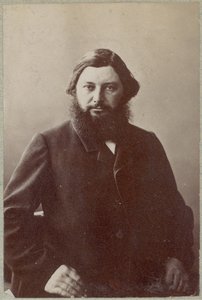
Gustave Courbet
1819 - 1877 , Ranska
Pikatiedot
- Artistic Movement Or Style: Realismi
- Artists Or Movements Influenced By This Artist:
- Impressionismi
- Postimpressionismi
- Artists Who Influenced This Artist:
- Eugène Delacroix
- Théodore Géricault
- Caravaggio
- Date Of Birth: 31. heinäkuuta 1819
- Date Of Death: 29. huhtikuuta 1877
- Full Name: Gustave Courbet
- Nationality: Ranskalainen
- Notable Artworks:
- Kivenhakkaajat
- Kuolinmessu Ornansissa
- Place Of Birth: Ornans, Ranska
Liittyvät artikkelit
Gustav Klimtin 25 mestariteosta: Taidetta ja inspiraatiota kotiisi | AllPaintingsStore
Tutustu Gustav Klimtin 25 mestariteokseen! Uppoudu koristeellisen taiteen, jugendtyylin ja symbolismin maailmaan. Löydä tarinat öljyvärimaalausten takaa ja inspiroi sisustusta AllPaintingsStore.com:ssa. Tutki kokoelma verkossa!
Paul Cézannen 25 mestariteosta: Taidetta kotiisi – AllPaintingsStore.com
Tutustu Paul Cézannen 25 vaikuttavinta mestariteosta! Postimpressionismin huipputeoksia, still life -maalauksia ja ikonisia maisemia. Löydä taiteen tarinat ja inspiroi kotisi sisustusta AllPaintingsStore.com:ssa. Tutki kokoelma verkossa!

Evocations of Place: A Historical Journey Through Landscape Art
Explore the rich history of landscape art with AllPaintingsStore. Discover renowned artists, movements like Impressionism & Romanticism, and expert guidance for collecting timeless pieces. Find your perfect serene escape today!

Evocations of Place: A Historical Journey Through Landscape Art
Explore the rich history of landscape art with AllPaintingsStore. Discover renowned artists, movements like Impressionism & tonalism, and expert guidance for collecting timeless pieces. Find your perfect serene escape today!
Top 10 Impressionistimaisemaa: Taideteokset jotka muuttivat taiteen – AllPaintingsStore.fi
Tutustu 10 ikoniseen impressionistimaisemaan! Claude Monet’n ja muiden mestareiden teokset heräävät eloon. Taiteen historiaa, tekniikoita ja inspiraatiota kotiisi – AllPaintingsStore.com:sta löydät museolaatuiset taideprintit ja sisustusehdotukset. Tutki kokoelma verkossa!


