


 Katso seinällä
 Lähetä
 Jaa
Jaa
 Tarkemmat tiedot
 Opas
Opas

 Lataa kuva
 Samanlaisia kohteita
 Röntgenkuvaus
 Diaesitys
 Tilastot
St John the Evangelist


 Lue lisää
Käsinmaalattu öljyvärinen jäljennös
Käsinmaalattu öljyväri kankaalle haluamassasi koossa ja kehyksissä, taiteilijoidemme valmistamana tilauksesta. ( Vaihda tulosteeseen Siirry digitaaliseen kuvaan)




P118B €10

P118H €10

P118W €10

P438Z €10

P508JH €12

P508YH €12

P805H €10

P805Z €10

P919BZ €10

P919G €10

P919XJ €10

P959ZH €10

P968JZ €12

W106C €8

W218G €10

W218JH €8

W218Y €10

W307PJ €10

W316G €10

W316PJ €8

W316Y €10

W398PJ €8

W4111J €10

W500HY €15

W500JH €15

W692G €12

W849H €8

W940BG €15

W953PJ €8




Valitse valmiista mitoistamme sellaiset, jotka vastaavat teoksen alkuperäisiä mittasuhteita.

Kirjoita tarvitsemasi leveys ja korkeus, jotta teos sopii kehyskehyksiisi tai seinällesi. Koska kyseessä on käsinmaalattu teos, taiteilija voi maalata hieman enemmän kuvan ympärille tai rajata sitä hieman, jos haluat eri muotoisen koon — valinta on sinun. Lähetämme sinulle digitaalisen mallikuvan hyväksyttäväksi ennen kuin maalaus alkaa. Tällä sivulla näkyvä kuva ei vastaa lopullista tulosta — vain mallikuva näyttää sen.
Tilauksen jälkeen AllPaintingsStore.com -tiimi lähettää asiakkaalle sähköpostitse ohjeet ja esikatselukuvan.
Maailmanlaajuinen toimitus () 3–4 viikossa tavallisen 5 viikon sijaan. (27 lokakuu). Laadusta ei tingitä.

Ilmainen pikatoimitus ympäri maailman

Korkealaatuinen pellavakangas

Kattava kuljetusvakuutus

Tulliveron palautustakuu

Takuu täydellisestä värien vastaavuudesta

100 päivän palautusoikeus valmistusvirhetapauksissa

100% rahat takaisin -takuu

Määräalennus saatavilla
 Lasivaihtoehto on saatavilla vain alle 110 cm kokoisille teoksille

St John the Evangelist
Reproduktiotapa
Replikaatin koko
-


Kokonaishinta
€ 227
A Vision of Solitude and Revelation: Titian Ramsay Peale II’s St. John the Evangelist
Titian Ramsay Peale II's “St. John the Evangelist” is not merely a depiction of an apostle; it’s a poignant exploration of spiritual isolation, prophetic vision, and the weight of divine revelation. Painted with a clear reverence for the High Renaissance masters – a stylistic inheritance from his father, the renowned portraitist Charles Willson Peale – this work invites contemplation on themes of faith, suffering, and the enduring power of belief. The painting presents John as a figure caught in a moment of profound introspection, his youthful face etched with an expression that blends anguish and otherworldly serenity. The artist’s skillful handling of light and shadow emphasizes the emotional turmoil within the saint, drawing the viewer into his private world of contemplation.
Echoes of Renaissance Mastery
Peale II's artistic lineage is readily apparent in this work. He embraced the compositional principles and aesthetic ideals of the Italian High Renaissance, particularly evident in the balanced arrangement of forms and the meticulous attention to anatomical detail. The influence of artists like Raphael and Leonardo da Vinci can be felt in the subtle modeling of John’s features and drapery, creating a sense of volume and realism. However, Peale II wasn't simply imitating; he infused this classical framework with his own distinct sensibility. The inclusion of birds – a raven perched upon John’s shoulder and others flitting within the background – introduces an element of naturalism and symbolic depth that elevates the painting beyond mere historical representation. The use of oil on panel or canvas, typical of the period, allowed for rich color saturation and nuanced textural effects, contributing to the overall sense of artistic refinement.
Symbolism Woven into the Canvas
The symbolism within “St. John the Evangelist” is both subtle and profound. John’s isolation speaks to his exile on the island of Patmos, where tradition holds he received the apocalyptic visions recorded in the Book of Revelation. The birds accompanying him are not merely decorative elements; they carry layers of meaning. Ravens, often associated with prophecy and divine messengers, reinforce John's role as a recipient of sacred knowledge. Their presence suggests both the burden and the privilege of witnessing truths beyond human comprehension. The very posture of St. John – his slightly bowed head and clasped hands – conveys humility and acceptance of his divinely ordained fate. Peale II masterfully uses these visual cues to create a narrative that resonates with spiritual significance, inviting viewers to decipher the deeper layers of meaning embedded within the composition.
A Timeless Resonance for Modern Spaces
For those seeking to imbue their interiors with a sense of history, spirituality, and artistic sophistication, a reproduction of “St. John the Evangelist” offers a compelling choice. The painting’s muted color palette – dominated by earth tones and subtle shades of blue and gold – lends itself well to a variety of décor styles, from traditional to contemporary. Its contemplative mood creates a focal point that encourages quiet reflection, making it an ideal addition to libraries, studies, or meditation spaces. Beyond its aesthetic appeal, the artwork serves as a powerful reminder of enduring human values—faith, resilience, and the search for meaning in a complex world. A hand-painted reproduction by AllPaintingsStore.com captures not only the visual beauty of Peale II’s masterpiece but also the artistic spirit that brought it to life.
Kysymykset ja vastaukset
Miltä historialliselta aikakaudelta Titian Ramsay Peale II:n "St John the Evangelist" on peräisin?
Titian Ramsay Peale II:n "St John the Evangelist" on peräisin Renaissance -kaudelta. Kyseinen aikakausi antaa teokselle historiallisen kontekstin.
Mikä on teoksen Titian Ramsay Peale II:n "St John the Evangelist" koettu valoisuus?
Kokonaisuudessaan teoksen "St John the Evangelist" kirkkaus on kirjattu arvoon deep_shadow. Koettu kirkkaus kuvaa sitä, kuinka vaaleana tai tummana teos vaikuttaa.
Mitä aihetta ja tunnelmaa Titian Ramsay Peale II:n "St John the Evangelist" yhdistää?
Titian Ramsay Peale II:n "St John the Evangelist" esittää aiheita saint, apostle, renaissance, symbolism, faith, isolation, detail Serene tunnelmassa. Aihe ja ilmapiiri kuvaavat teosta yhdessä.
Samankaltaisia teoksia


Taiteilijan elämäkerta
Varhaiset Vuodet ja Taiteellinen Perintö
Titian Ramsay Peale II (1799-1885) on hahmo, joka elää usein varjossa 1800-luvun amerikkalaisen taidemaailman suurten nimien joukossa. Hän syntyi Philadelphiassa ja kasvoi syvällä taiteellisessa perinteessä, nuorimpana poikana Charles Willson Pealen pojista – keskeisestä hahmosta varhaisen Amerikan muotokuvataiteen kehityksessä ja maan ensimmäisen museon perustajasta. Vaikka isän maine oli vahva, Titian loi oman polkunsa, joka juurtui syvälle korkean renessanssin esteettisiin ihanteisiin, erityisesti Venetsestä kumpuaviin. Hän ei pelkästään jäljitellyt tyylejä; hän kanavoi syvällistä taiteellista herkkyyttä ja täytti kankaansa tarkalla yksityiskohtaisuudella ja eloisilla väripaleteilla, mikä erotti hänet monista aikalaisistaan. Hänen elämänsä avautui kehittyvän amerikkalaisen identiteetin taustalla, mutta hänen taiteellinen sydämensä pysyi sidottuna klassisiin mestareihin luoden kiehtovan jännitteen vanhan maailman kunnioituksen ja uuden maailman ilmaisun välille.Luonnon Tutkimuksesta Maalarin Kankaalle
Pealen varhaiset vuodet leimattiin kaksijakoisella kiinnostuksella taidetta ja luonnonhistoriaa kohtaan – yhdistelmä, jonka hänen monipuoliset pyrkimyksensä isä edisti. Hän osallistui retkikuntiin, merkittävimmin Stephen Harriman Longin matkalle Kalliovuorille vuosina 1819–20, dokumentoiden kasvistoa ja eläimistöä yhä tarkemmalla taiteellisella silmällä. Tämä aika ei ollut pelkästään havaintojen kirjaamista; se oli *ymmärtämistä* muodosta, valosta ja tekstuurista – taitoja, jotka osoittautuisivat korvaamattomiksi, kun hän käänsi täyden huomionsa maalaamiseen. Hänen työnsä luonnontutkijana vaikutti hänen taiteeseensa antaen tieteellisen tarkkuuden kuvauksiinsa luonnon maailmasta, mutta myös täyttämällä ne emotionaalisella resonanssilla, joka ylitti pelkän dokumentoinnin. Hän ei vain näyttänyt meille asioiden ulkonäköä; hän paljasti niiden sisäsyntyisen kauneuden ja henkisen merkityksen. Tämä omistautuminen molemmille aloille näkyy teoksissa, kuten ”Verorahat”, dramaattinen tulkinta Rubensin valon ja varjon mestarillisesta käytöstä, sekä "Nymfi ja Paimen", jossa luonto, mytologia ja aistillinen kauneus yhdistyvät.Venetsialaiset Vaikutteet ja Pyhät Visioita
Venetsialaisten kolorismin vaikutus – rikkaiden, valoisten värien ja ilmakehän tehosteiden korostaminen, jota artistit kuten Titian (josta hän otti etunimensä) edistivät – on kiistaton Pealen tuotannossa. Hän ei pelkästään kopioinut näitä mestareita; hän sisäisti heidän periaatteensa ja mukautti ne omaan taiteelliseen visioonsa. Tämä on erityisen ilmeistä hänen uskonnollisissa teoksissaan, kuten ”Alttarishriini Neljällä Pyhällä” ja "Paimenien Palvonta". Nämä maalaukset eivät ole pelkästään Raamatun kohtausten kuvauksia; ne ovat immersiivisiä kokemuksia, jotka vetävät katsojan huolellisesti orkestroituine sommitteluineen ja värien mestarillisella käytöllä tunteita herättämään henkisen pohdiskelun maailmaan. Näiden teosten tarkka yksityiskohtien huomiointi kertoo paitsi hänen teknisestä taidostaan myös syvästä kunnioituksesta aihettaan kohtaan. ”Kauneus”, vaikuttava muotokuva, osoittaa edelleen hänen kykynsä vangita ihmisen muoto ja luonne eleganssilla ja hienostuneisuudella.Uudelleentulosta ja Kestävä Merkitys
Suuren osan 1900-lukua Titian Ramsay Peale II pysyi suurelta osin piilossa taidehistoriallisista kertomuksista. Hänen työnsä ei sopinut siististi vallitseviin trendeihin, ja hänen omistautumisensa klassiselle tyylille tuntui anachronistiselta nopeasti muuttuvassa taidemaailmassa. Viime vuosina on kuitenkin nähty kasvavaa arviointia hänen panoksestaan. Tutkijat ja keräilijät tunnustavat ainutlaatuisen yhdistelmän amerikkalaisia herkkyyksiä ja eurooppalaisia perinteitä, jotka luonnehtivat hänen maalauksiaan. Hänen työnsä uudelleentulosta ei ole pelkästään aukkojen täyttämistä taidehistoriassa; se on syvemmän ymmärryksen saavuttamista monimutkaisista kulttuurivoimista, jotka muokkasivat 1800-luvun Amerikkaa. Peale edustaa siltaa maailmojen välillä, todistetta klassisten ihanteiden kestävästä voimasta ja muistutusta siitä, että taiteellinen innovaatio syntyy usein odottamattomista vaikutusten yhdistelmistä. Hänen maalauksensa, jotka löytyvät nyt kokoelmista, kuten AllPaintingsStoresta, Uffizin galleriasta ja Palazzo Pittistä, tarjoavat kiehtovan välähdyksen unohdetusta kulmasta amerikkalaista taidehistoriaa – kulma, joka on valaistu renessanssin säteilevällä hehkulla.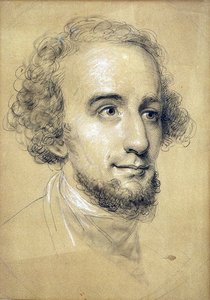
Titian Ramsay Peale II
1799 - 1885 , Yhdysvallat
Tietoa taiteilijasta
- Artistic Movement Or Style: Korkea renessanssi
- Artists Who Influenced This Artist:
- Titian
- Rubens
- Date Of Birth: 1799
- Date Of Death: 1885
- Full Name: Titian Ramsay Peale II
- Nationality: Amerikkalainen
- Notable Artworks:
- Altar Shrine with Four Saints
- Adoration of the Shepherds
- The Beauty
Aiheeseen liittyvät artikkelit

Charles Willson Peale: Portraiture, Enlightenment Ideals & Shaping American Identity
Explore the life & art of Charles Willson Peale – Revolutionary portraitist, scientist, and founder of America’s first museum. Discover his iconic paintings of Washington & the Enlightenment ideals that shaped a nation.

John Singer Sargent's 25 Masterpieces: Portraits & Beyond | AllPaintingsStore
Explore 25 iconic John Singer Sargent paintings – from dazzling portraits to Impressionist landscapes. Discover the stories behind Madame X, El Jaleo & more! Find museum-quality art reproductions and elevate your home decor with AllPaintingsStore.com.
El Grecon 25 mestariteosta: Taidetta, historiaa ja inspiraatiota kotiisi
Tutustu El Grecon 25 vaikuttavimpaan mestariteokseen! Uppoudu espanjalaisen renessanssin ja manierismin maailmaan. Taidehistoriaa, uskonnollisia maalauksia ja inspiraatiota kotiisi – löydä upeat taidevedokset AllPaintingsStore.comista.

Titian Ramsay Peale II: A Legacy of Botanical Precision & Artistic Innovation
Explore the life & art of Titian Ramsay Peale II, a master of botanical precision and wildlife painting. Discover his legacy bridging art & natural history at AllPaintingsStore.

John Constablein 25 mestariteosta: Taidetta ja tunnelmaa kotiisi – AllPaintingsStore.com
Tutustu John Constable'n 25 mestariteokseen – romanttisia maisemamaalauksia, jotka vangitsevat englantilaisen luonnon tunnelman. Taidehistoriaa ja inspiraatiota kotiisi AllPaintingsStore.com:ssa. Löydä kaikki taideteokset verkossa!


