Rahat takaisin -takuu · 30 päivää Ilmainen toimitus ympäri maailman
446 261teokset 30 640taiteilijat 4 753museot 32kielet
Maa
Valuutta
Kieli
Ateljee · Perustettu 2015 · Pariisi, Ranska
AllPaintingsStore
allpaintingsstore.com
Kirjaudu sisään tai luo tili Toivelista Ostoskori

Giovanni Paolo Pannini

1691 - 1765

Lyhyet tiedot

  • Emotional tone: nostalginen
  • Died: 1765
  • Color intensity: tasapainoinen
  • Also known as: Gian Paolo Pannini
  • Vibe:
    • elegantti
    • dramaattinen
  • Mediums:
    • öljyväri kankaalle
    • akryyli kankaalle
  • Top 3 works:
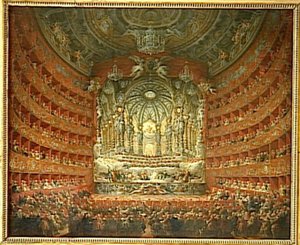
    • FETE MUSICALE DONNEE PAR LE CARDINAL DE LA ROCHEFOUCAULD AU THEATRE ARGENTINA DE ROME LE 15 JUILLET 1747 A L'OCCASION DU MARIAGE DU DAUPHIN DE FRANCE, LOUIS, FILS DE LOUIS XV AVEC MARIE JOSEPHE DE SAXE
    • Gallery of Views of Modern Rome
    • Ruins with St Paul Preaching
  • Room fit: olohuone
  • Lifespan: 74 years
  • Copyright status: Public domain
  • Works on APS: 93
  • Näytä lisää…

Taidevisa

Jokaisessa kysymyksessä on vain yksi oikea vastaus.

Kysymys 1:
Mikä oli Giovanni Paolo Panninin päätyyppi maalauksissa?
Kysymys 2:
Kuka oli Giovanni Paolo Panninin merkittävä oppilas?
Kysymys 3:
Missä kaupungissa Giovanni Paolo Pannini syntyi?
Kysymys 4:
Paninin tunnettiin erityisesti hänen kyvystään luoda uskottava syvyysnäköilu.
Kysymys 5:
Mihin museoon Panninin mestariteoksiin kuuluu?

Giovanni Paolo Panini (1691–1765): Master of Roman Vedute & Architectural Fantasies

Giovanni Paolo Pannini, a name synonymous with the grandeur and romantic allure of 18th-century Rome, was more than just a painter; he was a visual architect of memory. Born in Piacenza in 1691, his artistic journey began under the tutelage of Giuseppe Natali and Andrea Galluzzi, but it was his exposure to the theatrical designs of Francesco Galli-Bibiena that truly ignited his imagination. This early immersion in stagecraft would profoundly influence his later work, imbuing it with a sense of dramatic composition and illusionistic space. In 1711, Panini relocated to Rome, a city already steeped in artistic history, where he honed his skills under the guidance of Benedetto Luti, mastering the art of drawing and laying the foundation for his future mastery of perspective.

Early Training & Influences: Seeds of Genius

Panini’s formative years were marked by rigorous instruction in disegno—drawing—under Giuseppe Natali and Andrea Galluzzi, who instilled in him a foundational understanding of classical proportions and artistic principles. Crucially, he encountered Francesco Galli-Bibiena's theatrical productions, where he witnessed the masterful use of perspective and scenography. This experience profoundly shaped Panini’s aesthetic sensibilities, fostering an inclination towards dramatic composition and illusionistic space—elements that would become hallmarks of his later vedute paintings. The influence of Giuseppe Bartolomeo Cristoforo Galleazzo, a Bolognese architect known for his theatrical designs, further solidified Galli-Bibiena's impact on Panini's artistic vision.

Rome & Benedetto Luti: Establishing Artistic Foundations

In 1711 Panini moved to Rome, seeking the mentorship of Benedetto Luti, a celebrated painter and teacher who had established himself as one of the foremost practitioners of disegno in the city. Under Luti’s guidance, Panini perfected his drawing skills and gained invaluable experience in mastering perspective—a technique considered paramount for accurately representing three-dimensional space on a two-dimensional surface. This meticulous attention to detail would become characteristic of Panini's oeuvre, informing his approach to both architectural renderings and landscape paintings alike. Luti’s emphasis on anatomical accuracy and expressive rendering undoubtedly contributed to Panini’s artistic development.

The Rise of Vedutismo: Reimagining Rome

Panini’s breakthrough came not as a portrait painter but as a decorator of palaces—a role that allowed him to develop his technical prowess and establish himself within Rome's vibrant artistic circles. He undertook prestigious commissions for prominent Roman residences, including the Villa Patrizi (1719–1725), Palazzo de Carolis (1720) and Seminario Romano (1721–1722). These projects demanded exceptional skill in disegno and quadratura—the art of scenic perspective—and Panini excelled at creating illusionistic spaces that transported viewers into the heart of Rome’s architectural grandeur. However, it was his embrace of *vedutismo*, or view painting, that would ultimately define his legacy. Unlike earlier topographical artists who focused on precise documentation, Panini infused his depictions of Rome with a sense of imaginative reconstruction—a technique he termed *capriccio*. He didn't merely record what he saw; he re-imagined it, blending existing structures with fragments of ancient ruins and fanciful architectural elements. This approach, often likened to that of Marco Ricci, allowed him to create scenes that were both recognizable and dreamlike, capturing the spirit of Rome’s layered history.

A Legacy Enduring Through Time: Influence & Recognition

Giovanni Paolo Panini's influence extended far beyond his own lifetime. He was a respected teacher at the Accademia di San Luca and the Académie de France in Rome, shaping the artistic sensibilities of a generation of artists—including Hubert Robert and Giovanni Battista Piranesi. His groundbreaking use of perspective—the “Panini Projection”—became instrumental in rendering panoramic views with unparalleled accuracy, establishing him as one of the foremost practitioners of disegno and cementing his place among the titans of Baroque art. Panini’s works are now held in prestigious collections worldwide, testament to his enduring appeal and demonstrating the lasting impact of his artistic vision on subsequent generations of painters. His paintings continue to inspire awe and admiration for their masterful blend of observation and imagination—a testament to Panini's genius as a visual architect of memory.